
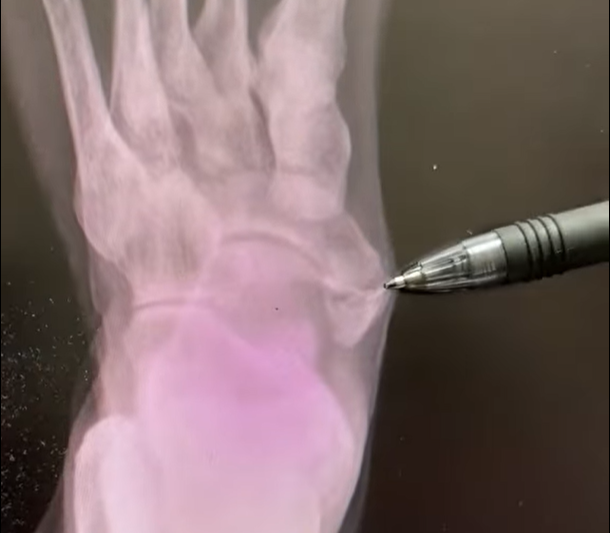
An accessory navicular is an extra bone that people can be born with in their foot or feet. It is located on the inner side of the foot right above the arch, and gets its name because it grows so near the primary navicular bone. It also goes by its Latin names, os naviculare or os tibiale externum.
Key Takeaways:
- Accessory navicular bones are congenital, meaning that they are present at birth.
- An accessory navicular bone that causes pain or other symptoms is known as accessory navicular syndrome.
- It is very rare to have to remove an accessory navicular bone because of accessory navicular syndrome.
What Causes Accessory Navicular Bones?
There is no real distinguishable cause of accessory navicular bones, though research shows that they can be genetic. They are congenital, meaning that they are present at birth and not something developed later in life. These extra bones form when babies develop a skeleton in the womb. All bones start out as cartilage, and if there is extra cartilage in the foot, then bone tissue will develop around it and create an extra bone.
There are three types of ways an accessory navicular bone may develop (Cleveland Clinic, Accessory Navicular Bone):
- Type 1: the accessory bone is embedded into the tendon that connects your calf to the inner side of your foot and ankle (posterior tibial tendon). These are small and are unlikely to cause symptoms.
- Type 2: the accessory bone(s) grow next to the navicular bone and connect via extra cartilage. These are larger than type 1 and are more likely to cause symptoms.
- Type 3: the accessory bone is fused to the primary navicular bone. It may cause symptoms if it comes into contact with tendons or nerves.
What is Accessory Navicular Bone Syndrome?
In many cases where they are present, an accessory navicular bone(s) is asymptomatic. Many people may not even know that they have an extra bone. However, if it causes pain or other symptoms, then there may be a diagnosis for Accessory Navicular Bone Syndrome.
This condition occurs most often around puberty, when the bones start maturing more (Foot Health Facts, Accessory Navicular Syndrome). It can happen on its own, but injuries and habits like wearing tight shoes or overusing your feet and ankles can contribute to it. It is characterized by symptoms like:
- A visible bony prominence on the inner foot above the arch
- Redness, pain, throbbing, and swelling on the inner foot above the arch, especially after activity
- Limping
- Pain while standing
How to Treat Accessory Navicular Bones
Most cases of Accessory Navicular Bone Syndrome are successfully treated with conservative methods. This includes:
- The RICE method
- Over the counter pain medication
- Medical devices like a boot, crutches, or a cast to immobilize and shift weight during the healing process
- Physical therapy
- Shoe inserts
It is very rare that an accessory navicular bone will need to be surgically removed. If surgical intervention is necessary, though, a doctor will go in, remove the bone, then reattach any tendons that may have previously been attached to the accessory navicular.
If you or someone you love has suffered a foot injury in the Louisville, Kentucky-area, board certified sports medicine physician Dr. Stacie Grossfeld at Orthopaedic Specialists PLLC can help. Orthopaedic Specialists PLLC is accepting new patients, and same day appointments are available. For additional information or to schedule an appointment, please contact Orthopaedic Specialists PLLC today at 502-212-2663.
Recent Comments