
Key Takeaways:
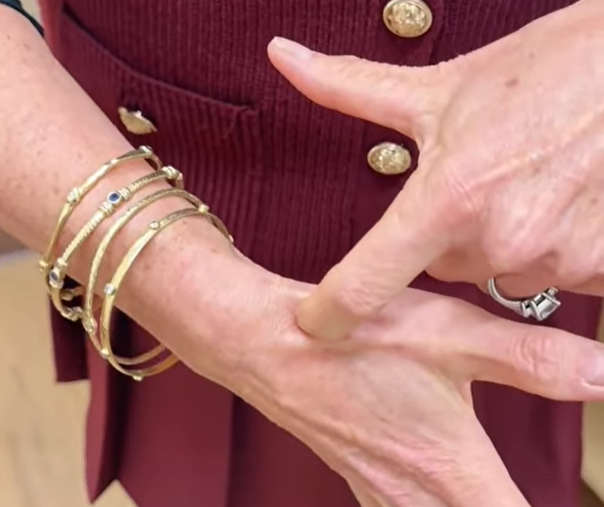
- The anatomical snuffbox is located at the base of the thumb, right on top of the scaphoid carpal bone.
- Pain or tenderness at the anatomical snuffbox may indicate a scaphoid fracture.
- Scaphoid fractures may require a splint, a cast, or surgery depending on the severity.
What is the Anatomical Snuffbox?
The anatomical snuffbox is the name of the triangular depression in the hand at the base of the thumb. It is bound laterally by the tendons of the abductor pollicis longus and extensor pollicis brevis muscles, and medially by the tendon of the extensor pollicis longus muscle. It sits right above the scaphoid, which is a carpal bone that connects to the distal radius, trapezium, and capitate.
Tenderness in the area of the snuffbox is often a sign of a scaphoid injury. The anatomical snuffbox is important because it hosts the radial artery, which is where a majority of the scaphoid’s blood supply comes from. If the scaphoid is injured, the amount of blood available to the injured scaphoid will determine how well it will heal on its own.
Scaphoid Fractures and Injuries
A scaphoid bone injury commonly results from falling on an outstretched hand. Symptoms may include:
- Deep but dull pain at the wrist
- Bruising of the wrist
- Swelling of the wrist
- Difficult gripping or squeezing
Because the pain may be dull, scaphoid injuries are often mistaken for a sprained wrist.
Treating Scaphoid Injuries
Treating scaphoid injuries will often depend on the severity and location of the injury. The blood supply to the scaphoid is inconsistent due to the shape of the bone, which makes healing inconsistent as well. Scaphoid fractures and other injuries are normally classified into three areas:
- Distal: the area nearest to the thumb
- Medial or Waist: the middle of the bone
- Proximal: the area nearest to the forearm
The distal pole gets the most blood supply and, which means that it has the best chance of healing without surgery. The waist and proximal pole do have a lot of access to the blood supply, so depending on the type of the fracture, it may require surgery.
Nondisplaced vs Displaced Scaphoid Fractures
The difference between nondisplaced and displaced scaphoid fractures is whether or not the break misaligns the bone pieces. If the bone has a gap or shifted pieces, it is unlikely the scaphoid will heal correctly without surgical resetting. Nondisplaced fractures will often heal well with a cast or splint.
Frequently Asked Questions About the Anatomical Snuffbox and Scaphoid
- What happens if a scaphoid fracture is left untreated?
- Scaphoid fractures that are not treated could lead to complications and possibly surgery. If the bone heals incorrectly and causes pain or deformation of the wrist, surgery will likely be necessary to fix it. Untreated scaphoid injuries can also lead to osteoarthritis of the wrist, carpal instability, and long-term pain.
- How are scaphoid injuries diagnosed?
- Like most fractures, imaging tests such as x-rays, CT scans, and MRIs may be used. However, because of the nature of the bone, multiple tests may be needed to identify a break. Some breaks may even be occult fractures, meaning that they do not show up well or at all on x-rays. Most doctors will use symptoms and snuffbox tenderness to rule scaphoid injuries in or out.
- How long does it take to recover from a scaphoid injury?
- Recovery time for scaphoid injuries averages 6-12 weeks with either a cast or surgery, but will vary with the severity and location of the injury. In some cases, rehabilitation may stretch to up to a year for a complete recovery.
If you or someone you love has suffered a scaphoid or anatomical snuffbox injury in the Louisville, Kentucky-area, board certified sports medicine physician Dr. Stacie Grossfeld at Orthopaedic Specialists PLLC can help. Orthopaedic Specialists PLLC is accepting new patients, and same day appointments are available. For additional information or to schedule an appointment, please contact Orthopaedic Specialists PLLC today at 502-212-2663.
Recent Comments