Patient of the Month Gail Tucker

Meet this month’s patient in the spotlight Gail Tucker!

When COVID hit in March of 2020, Gail and her husband Dale (like many others) found themselves with a lot of extra time on their hands. Instead of going to the Northeast Branch YMCA, 4-5 times a week for the fitness center and water aerobics classes, they decided to walk. After a few weeks, their daily 3 mile walk turned into 5 miles. Little did they know they would hit over 3,000 miles in their effort to keep walking throughout the pandemic.

“Initially, we took our walks here in our neighborhood and then started venturing further out. Dale wore a pedometer and everyday I would record our distance.”

“We had plans in the summer of 2020 to visit both sons and their wives in Philly & DC, but because of the lockdowns we decided we would walk to them virtually instead. I always have to have a purpose and each activity is best when it accomplishes at least two things. So, in July of 2020, we arrived “virtually” at our son’s and wife’s door in DC (596 miles). Then because we “love our children equally,” we went on to Philly (664 miles) and got there the next month. We were so disappointed to not see them and this was a way to think about them daily! We didn’t end up seeing the “kids” for 1 1/2 years and that was so hard. I hope I never take that for granted again.”

As a patient of Dr. Grossfeld, Gail has received injections into her knee, gearing her up for these long walks, including hills. Dale (who has also had two gel shots, one in each knee) walked every single mile of the journey with her. It was a Team Tucker experience!

In a continued effort to give structure to otherwise long and lonely days, #TeamTucker virtually participated in the Triple Crown Races, and explored parks previously unknown to them! The Parklands and Bernheim Forest being among some of their favorites.

“When we started venturing out of the county, we would scream when we crossed a county line like we were on a European exploration. We met lots of new people on our walks and lost some additional weight on the journey. We went through several pairs of running shoes and all in all, the walking was the highlight of these difficult years. Now we have returned to the Y, but we don’t go as often. On the days we don’t go, we walk at least 4 miles. We have an exercise DVD we use at home and a big garage in our condo where we walk on unpleasant days.”

We hope you’ll join all of us at Orthopaedic Specialists in continuing to cheer on Team Tucker as they explore all of the “unknown roads ahead.”

10 Hidden-Gem Parks In Louisville, Kentucky

Where to Bike, Run, Hike, or Play Sports in Louisville, Kentucky

Whether you identify as a runner, fast walker, or recreational dog walker, you’re probably well-versed in the public parks around your house. In the past year, record numbers of people have flocked to their nearest park for recreation, exercise, social activities, and enjoying nature. Everyone has been spending more time outside, and it’s no wonder why—Just 20 minutes in a park is proven to have a sizable effect on mental health by reducing anxiety and improving sense of wellbeing! Public parks have become a safe haven, a neutral, grounding space that can be enjoyed for free, anytime of day.

If you live in Louisville, Kentucky, or the surrounding areas, you probably have a favorite park or two. Jefferson County boasts over 120 parks, so chances are, you haven’t seen them all. Keep reading to learn about 10 of the best, lesser-known parks and trails in Louisville.

10 Underrated Parks in Louisville, Kentucky

1. Arthur K. Draut Park

There’s a park right behind the malls?! Hidden in suburban St. Matthews, Arthur K. Draut Park offers 25 acres of native wetlands, beautiful landscape, and paved paths.

2. Shawnee Park

 An expansive 285 acres along the Ohio River, Shawnee Park offers baseball, basketball, golf, tennis, and volleyball courts! Enjoy multipurpose fields, miles of paved walking/running trails, and beautiful views of the Ohio, as well. 

3. Fairmont Falls

Only three cars are allowed at Fairmont Falls, per day! Located in South Louisville, this hidden-gem of a park offers a short trail to a huge, stunning waterfall. Make sure to book your visit a few days in advance!

4. Broad Run Park

The southernmost park in the Parklands of Floyds Fork, Broad Run was opened in 2016 and only continues to expand. It contains over 600 acres of paved and wooded trails, a scenic overlook, huge meadows, multiple fishing/paddling access points, a kid’s waterpark, pavilions, and a state-of-the-art woodland garden

5. Lannan Memorial Park 

Another beautiful park along the Ohio River, Lannan Memorial is located in the heart of the Portland Neighborhood, adjacent to the Portland Wharf Park. Enjoy verdant trails and fields along the Ohio, jump on the Louisville Loop biking paths, or play basketball. Plus, Lannan will soon be a short walk from the Future Waterfront Park Expansion.

6. Iroquois Park 

Iroquois is pretty popular, but it offers so much that it’s worth a mention! Tucked in the midst of downtown Louisville, Iroquois features miles of forest with hiking trails, paved paths, a huge golf course, a frisbee golf course, an outdoor amphitheater, a horse paddock and paths, a stunning scenic overlook, basketball courts, a playground, event patios, huge meadows, ponds, and more. You can explore Iriquois for months and still have more to see.

7. Waverly Park 

You may know Waverly for the infamous sanitarium on its grounds, but did you know that it’s also a 300 acre park? Just south of Iriquois, Waverly offers a beautiful fishing pond, mountain bike trails, miles of forested walking paths, a golf course, and a dog park.

8. Tyler Park 

If you love Cherokee and Seneca Parks but find them too busy, head over to Tyler Park, located off of Baxter Ave in the Highlands! While fairly small, Tyler Park offers 13 acres of multi-purpose fields, tennis courts, basketball courts, a playground, and nice paved paths. 

9. Riverside, the Farnsley-Moremen Landing

This 300-acre historic property on the river offers beautiful grounds to explore, sprawling fields, and miles of walking/biking paths either North or South, via accessing the Louisville Loop.

10. Long Run Park

On the eastern outskirts of Louisville, Long Run features a huge pond for kayaking and fishing, a 2-mile paved loop, a golf course, baseball fields, picnic spots, and a playground/sprayground. This 400-acre park is truly a well-kept neighborhood secret! 

If you or someone you love has suffered an activity or sports-related injury in the Louisville, Kentucky-area, board certified sports medicine physician Dr. Stacie Grossfeld at Orthopaedic Specialists PLLC can help. Orthopaedic Specialists PLLC is accepting new patients. Same day appointments and telemedicine appointments are also available. For additional information or to schedule an appointment, please contact Orthopaedic Specialists PLLC today at 502-212-2663.

Common Pickleball Injuries and Prevention

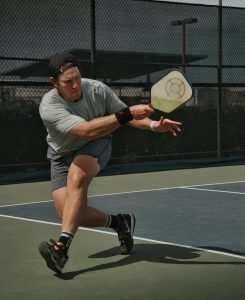
For years, pickleball has been the fastest growing recreational sport in the United States. It’s especially popular among elderly Americans, who enjoy it for socialization and low-impact exercise. Though very similar to other racquet sports like tennis and badminton, pickleball does vary in court size, net height, serve style, and other minor specifics. While pickleball is a fun and rewarding sport, it does pose a risk of injury, especially for those aged 65+.

History of Pickleball

Developed by Washington state congressman Joel Pritchard in 1965, the sport began with a “pickle”– Pritchard and his friend wanted to play badminton, but couldn’t find a full set of rackets, so they used wooden ping-pong paddles and a hole-filled plastic ball. The game caught on with Pritchard’s family, and soon they built the first permanent court. Legend has it that the sport was eventually named after Pritchard’s family dog, “Pickles.”

Most Common Pickleball Injuries

Pickleball’s newfound popularity means that there are few formal studies concerning injury rates. However, this May, a major study was published which compiled data from 2010-2019. The study also compared pickleball injuries to tennis injuries, as a way to establish a standard of injury. According to the study, slip/trip/fall/dive accidents were most common (63% of all injuries), which resulted in strains/sprains (33.2%), fractures (28.1%), and contusions (10.6%). Interestingly, senior males were 3.5 times for likely to suffer strains and sprains, while senior females were 3.5 times for likely to suffer a fracture, and, specifically, 9 times more likely to suffer a wrist fracture! The study found that pickleball injury rates very closely resembled that of tennis injuries. 

Preventing Injuries 

While accidents can always happen, especially in competitive sports, there are some preventative measures you can take to reduce the risk of injury:

  1. Invest in yourself. Even if you’re a casual player, you should have a decent pair of court or tennis shoes. Court shoes greatly reduce the risk of injury, compared to wearing regular running sneakers.
  2. Choose the right paddle. Pickleball paddles vary in size and weight, so if your paddle feels heavy or fatigued after playing, you probably need a lighter paddle!
  3. Cross-train. Condition yourself to handle the lunging, balancing, and quick-motion of the sport, not just the technical aspects. As we age, the need to cross-train only becomes more important. Whether you do aerobics, weight training, or stretching, you will better prepare yourself. 
  4. Warm up and recovery. So many people don’t take the extra 5 minutes to warm up, putting themselves at risk for severe injuries. And if you’re sore afterwards, icing, compression, and rest can help bolster achy muscles.

Play Pickleball Locally

If you already play pickleball, or are interested in getting started locally, there are a number of locations and leagues to check out. Most tennis clubs and neighborhood facilities have courts. EP Tom Sawyer state park is in the process of converting 6 asphalt tennis courts to 16 pickleball courts! To find courts and leagues nearby, use the USA Pickleball “Places 2 Play” site, linked here.

If you or someone you love has suffered a sports injury in the Louisville, Kentucky-area, board certified sports medicine physician Dr. Stacie Grossfeld at Orthopaedic Specialists PLLC can help. Orthopaedic Specialists PLLC is accepting new patients, and same day appointments are available. For additional information or to schedule an appointment, please contact Orthopaedic Specialists PLLC today at 502-212-2663.

5 Most Common Knee Injuries

Millions of Americans suffer from knee pain and knee injuries each year, and it’s no wonder why. The knee is our largest joint, placed between the two longest bones in the body. As it bends, your entire body weight is transferred onto it. Whether you’re standing still or running a marathon, there’s a constant pressure on the knee and the complex system of bones, ligaments, tendons, and cartilage within it. As powerful as it is, the knee is simply prone to injury. There are many common knee injuries as a result.

Risk factors also contribute to the chance of knee pain. Playing high-intensity sports and overtraining, being overweight, being a woman, having osteoporosis, having certain diseases, and the natural aging process can all increase your risk of knee injury. This is why everyone should be aware of common symptoms of knee injury as soon as they appear.

Symptoms of Knee Injury

Typical symptoms include swelling and stiffness, redness and warmth to the touch, weakness or instability, popping or crunching noises, bruising, and an inability to fully straighten the knee. Different injuries cause different types of pain and require different types of response.

Most Common Knee Injuries

Torn Meniscus

There are two menisci in the knee, C-shaped cushions of cartilage that create a buffer between your shinbone and thighbone. The meniscus can tear when you forcefully twist or pivot the knee. You may feel a popping sensation, and experience immediate swelling, pain, stiffness, and weakness.

Fractures

Knee fractures indicate a breakage in the patella, or the nearby shin or thigh bones. Fractures can vary from minor to quite severe, and are often caused by blunt trauma or a fall. Symptoms include severe pain, swelling, and even a deformed appearance. It’s recommended that you immediately consult with a doctor, as fractures often require surgery.

Patellar Tendinitis

Patellar Tendinitis is a common overuse injury, caused by tiny, repeated tears in the patellar tendon, which connects to the shinbone. Continued stress on the tendon causes increasing pain and inflammation overtime, eventually impacting your ability to do basic movements.

ACL Knee Injuries

An ACL injury is a tear or sprain of the anterior cruciate ligament (ACL), a band of tissue that connects your thighbone to your shinbone, stabilizing and supporting the knee. Sudden changes in direction while playing a sport can cause an ACL injury. The injury is often accompanied by a popping sensation, loss of motion, and pain, and requires immediate care.

Bursitis

Bursitis occurs in the bursae, which are small, fluid-filled sacs that cushion the knee joint. The bursae can become inflamed through constant, repetitive motions, causing pain, achiness, and swelling. Resting the knee can often improve bursitis, but some cases require medication, therapy, and surgery.

Active people and athletes should take particular caution to prevent knee injury. By wearing proper footwear, warming up, practicing weight training to strengthen the knee, and limiting overtraining, you can reduce your risk of severe knee injuries.

If you are experiencing chronic knee pain and it is not going away, it is advisable to seek out qualified medical attention. Dr. Stacie Grossfeld is a board certified orthopedic surgeon and sports medicine doctor serving patients across the Louisville Kentucky area. For information about Dr. Grossfeld and her Orthopaedic Specialists PLLC practice, call 502-212-2663 today.

Understanding Developmental Dysplasia of the Hip

Developmental Dysplasia of the Hip (DDH) is a condition in which the hip joint is
not properly formed in newborn babies and infants. Found in every 1 in 1,000
babies, DDH is a treatable condition, detected and diagnosed through a physical
exam.

Hip Physiology

The hip joint is a “ball-in-socket” joint, meaning that the rounded top of the femur
naturally fits into the cup-shaped hip socket. This spheroidal structure provides
the freest range of motion of any type of joint, and is also found in the shoulder.
Thanks to the “ball-in-socket,” we can swing, twist, and bend our arms and legs
with ease.

In DDH, the hip socket is underdeveloped, meaning that it is too shallow to
properly hold the femoral head. This means that the hip joint is “loose,”
sometimes to a point of dislocation. In turn, the surrounding ligaments may
stretch or loosen, which can cause pain, reduce mobility, and hinder growth.
Severity of DDH ranges from subluxatable (loose in the socket) to complete
dislocation (entirely out of the socket).

Diagnosing DDH

In the first few days after birth, every baby undergoes a physical exam. Part of this
exam includes checking for DDH by gently moving the baby’s hips. If the baby
experiences any pain with this motion, it is likely they have DDH to some degree.

If the infant shows symptoms of DDH, the next step is to conduct an ultrasound
scan. An ultrasound is also recommended if they have a family history of hip
issues, was born or spent time in breech position, is a twin, or is high-risk in any
way. DDH is also more common in first-born babies and in females.

Some cases of DDH take longer to develop or are virtually unidentifiable. Some
covert symptoms to look out for are different sized legs, one leg “dragging” when
they crawl, uneven skin folds, an abnormal walk, or restricted
movement/flexibility in one leg. If your baby shows any of these symptoms,
contact your doctor as soon as possible.

Treating Developmental Dysplasia of the Hip

When doctors identtify DDH during infancy, they can usually treat the baby with a
Pavlik harness, a soft fabric splint that secures and stabilizes the hips. Per your
doctor’s instruction, the harness is easily adjustable and removable with time.

If DDH is severe, if the Pavlik harness is ineffective, or if the child is diagnosed
with DDH after 6 months of age, they may require orthopedic surgery. This
surgery poses minimal risk and is very effective. Based on the individual’s age and
level of severity, surgical options may include closed reduction or open hip
surgery. Recovery usually requires wearing a cast for several months.

It’s important to remember that DDH is typically congenital, meaning that it’s
unpreventable. The only instance that it can be directly caused is through
prolonged, unsafe swaddling techniques. Always make sure to practice healthy
swaddling, which allows your infant to move their hips and legs freely.

For more information about hip and other orthopedic conditions, contact a board-certified orthopedic physician. Dr. Stacie Grossfeld at Orthopaedic Specialists PLLC
is double board certified in orthopedic surgery and sports medicine. Dr. Grossfeld
serves patients of all ages from children to adults throughout Kentucky and
Southern Indiana. For additional information or to schedule an appointment call
Dr. Grossfeld’s office at 502-212-2663.

Arthrogryposis: An Overview

Arthrogryposis, also known as arthrogryposis multiplex congenita (AMC), is a condition characterized by multiple joint contractures throughout the body. Arthrogryposis is a congenital condition. Doctors often diagnose it at birth, and it doesn’t progress or worsen over time. It is heterogeneous, meaning it differs from case to case. It is a descriptive term or symptom of a different disorder, rather than an illness in itself. Approximately 1 in 3000 babies are born with arthrogryposis, making it very rare.

How To Identify Arthrogryposis

Although this condition varies on an individual basis, doctors generally identify it through the occurrence of joint contractures. A contracture is when a joint becomes permanently fixed in a bent or straight position, which can limit or entirely restrict movement. In arthrogryposis, two or more contractures occur throughout the body. It is not to be confused with an isolated congenital contracture, which is a contracture found in only one body area, such as clubfoot.

The most common symptom of a joint contracture is the lack of movement, but it can also characterized by weakened muscles and tissue, slender or fragile bones, shortened or elongated limbs, asymmetrical features, or cleft palate. The joints of the legs and arms are usually the most affected, but contractures can even occur in the jaw or back.

One of the most common forms of severe arthrogryposis is amyoplasia, which can be identified through a series of analogous contractures. The shoulders, elbows, and wrists are usually drawn inward or outward. Individuals may have significant contractures in the shoulders and hips, clubfoot, and a red birthmark on the face. While the external impacts of amyoplasia can be quite severe, those affected usually have normal intelligence and no internal issues. Unlike some other forms of arthrogryposis, amyoplasia is not genetic.

Causes Of Arthrogryposis

Arthrogryposis can be due to a variety of external and internal factors. In about 30% of cases, it is associated with a genetic disorder, such as a single-gene defect or chromosomal abnormality. Neuropathic abnormalities or abnormal brain development, such as meningomyelocele, anencephaly, and hydranencephaly, can cause arthrogryposis. Furthermore, some forms may occur in utero. This can be due to low amniotic fluid or inadequate room for growth.

Diagnosing Of Arthrogryposis

Doctors usually diagnose arthrogryposis through the identification of key traits, followed by comprehensive testing, which includes blood work, genetic tests, imaging tests, muscle biopsies, an electromyography (EMG), a nerve conduction study, and other examinations when individually applicable. Full diagnosis can be a continual or even indefinite process, as it requires identifying the underlying causes of the condition, not just the physical indicators.

Treating Arthrogryposis

There is no general treatment for arthrogryposis. Treatment options vary at an individual level. Occupational or physical therapy can help improve joint mobility and function. Orthopedic surgery is another option, which varies based on the age and physical development of the patient. Braces, splints, and assistive devices can help stabilize joints. Treatment is often a long-term and multi-disciplinary endeavor, beginning in infancy, by nature. However, affected individuals can still live happy, independent lives.

If you are concerned that you or someone you love might be experiencing arthrogryposis, schedule an appointment with Dr. Stacie Grossfeld today. Dr. Grossfeld is double board certified as a sports medicine physician and an orthopedic surgeon. She has decades of medical experience treating patients of all ages. For more information or to schedule an appointment, call 502-212-2663 today.

Understanding Different Types of Medical Imaging Tests

When your doctor needs to see what’s going on inside your body, they’ll likely order a medical imaging test for you. Medical imaging tests, such as MRIs, X-rays, and CT scans, use different kinds of energy to provide detailed pictures of the inside of your body. In doing so, the imaging tests can help experienced medical professionals diagnose injury and disease, provide treatment options, and monitor existing conditions.

At some point, almost everyone needs some type of medical imaging test. When the time comes, your doctor will provide you with information, but you’ll still likely have questions about the procedure or the differences between the modalities. That’s why we’ve broken down three common tests in the paragraphs below.

An Overview Of 3 Common Medical Imaging Tests

MRI

Magnetic Resonance Imaging (MRI) tests use a magnetic field and computer-generated radio waves to produce high-resolution images of your organs, bones, tissues, and other body structures. A technician will monitor you as you lay down in the MRI machine, which is a long, narrow tube. Usually taking between 30-60 minutes, the process is non-invasive and painless.

MRI tests generally provide more comprehensive, clearer images than CT scans and x-rays, but are also more expensive and time-consuming. Doctors often choose MRIs are to scan the brain, spinal cord, and nervous system, as well as muscles, tendons, and ligaments. Doctors can detect some conditions only with an MRI. These include inflammation, certain illnesses, and types of cancer. Due to the magnetic field, MRIs should not be used by people with metal implants, such as a pacemaker, cochlear implant, or implanted insulin pump.

X-Ray

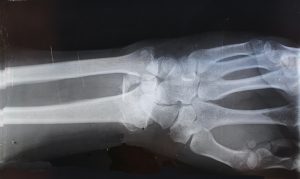
X-ray tests produce images of bones in particular. These tests work by passing x-ray beams through your body that are absorbed in different amounts by different mediums. Denser materials, like bone, show up white, while less dense structures such as muscles and fat show up gray. Compared to MRIs, x-rays are faster, easier, and cheaper—but also may show less detail. X-rays also utilize low-dose radiation, which is not harmful, but can be a concern for some patients.

X-rays are best used to display bone conditions, including arthritis, bone fractures, cavities in teeth, osteoporosis, and bone cancer. Doctors can also use them to diagnose chest conditions such as lung infections, congestive heart failure, and breast cancer.

CT Scan

A computerized tomography (CT) scan takes a sequence of x-ray images around your body, then uses a computer to create a comprehensive cross-sectional image. A CT scan is more detailed than an x-ray, but not as much as an MRI. However, a CT is much faster and more affordable than an MRI. Sometimes it is a good option for victims of car accidents or internal trauma.

CT scans are excellent at showing skeletal system problems, bone mineral density, blood vessels, lung issues, and abdominal abnormalities. They are also good for monitoring tumors and cancer treatment over time.

If you have a condition that you think requires medical imaging, contact your physician for more information. Dr. Stacie Grossfeld at Orthopaedic Specialists PLLC serves people of all ages throughout the Louisville, Kentucky-region in need of all types of orthopedic treatment and sports medicine. For more information or to schedule an appointment, call 502-212-2663 today.

Torn Rotator Cuff: An Overview

Can a torn rotator cuff heal on its own? 

Did you know that over 3 million Americans experience rotator cuff injuries like a torn rotator cuff every year, making it one of the most common points of injury? The rotator cuff is engaged when you use your arm to carry, pick up, push, or bear weight in any way. A group of muscles and four tendons, the rotator cuff’s ball-in-socket structure connects your arm to the ribcage and shoulder, also providing a crucial axis of mobility and stabilization. Needless to say, there’s no way to avoid frequently exerting it in our daily life. 

Rotator cuff injuries range from mild inflammation to a complete tear, and can be caused by several reasons. Based on levels of severity and individual awareness, some people live with rotator cuff tears for months. However, others may seek immediate treatment. Whatever kind of injury you’ve sustained, it’s crucial to know that torn rotator cuffs cannot heal on their own. Not all injuries require surgery, but all require some kind of treatment.  

Common Causes of Rotator Cuff Injuries 

As we age, the natural process of degeneration wears down our muscles and weakens bones, making certain body parts more susceptible to injury. And the rotator cuff, already predisposed to over-use, becomes increasingly vulnerable. Adults over the age of 40 have a steadily growing chance of experiencing rotator cuff injuries. In fact, a reported 30% of adults over the age of 70 complaining about regular shoulder pain. Furthermore, risk factors such as a family history of rotator cuff tears, smoking, long-term repetitive jobs, and bad posture can all increase your risk of rotator cuff deterioration and injury.  

The other primary cause of a rotator cuff injury is through direct trauma, whether it be a fall, pulling on the arm, over-exerting the arm/shoulder, or acutely wounding it in any way. Direct trauma accounts for the more severe spectrum of rotator cuff injuries, and therefore more often requires surgery. Athletes, such as swimmers, weight lifters, and tennis players, are particularly prone to rotator cuff injuries. If you experience this kind of rotator cuff tear, you’ll likely know immediately. Symptoms include sharp pain, a snapping sensation, arm weakness, or popping and clicking sounds.  

Healing and Treatment Options 

Whether you are certain you have a severe rotator cuff tear, or you’re just experiencing mild shoulder pain, it’s highly recommended that you consult your doctor. Untreated rotator cuff injuries only worsen with time. Before your diagnosis, it’s also important that you rest and ice your arm as much as possible.  

Diagnosis will begin with a physical exam by a qualified medical professional like a board-certified orthopedic surgeon. Your doctor may also attempt arm exercises that include reaching forward or rotating the shoulder. After that, if these exercises cause pain, you likely have a rotator cuff injury. Then, based on these results, your doctor may use an MRI, ultrasound, or X-ray to look for tearing. 

If you seem to be suffering from inflammation or only a mild injury, your doctor may recommend using a sling, non-steroidal anti-inflammatory medicine, and/or corticosteroid injections. Then, after immobilization, you will use physical therapy and also personalized exercises to regain your strength and mobility. The majority of rotator cuff injuries require this treatment process.  

Surgery is often necessary for more severe rotator cuff tears. Typically, this is an outpatient, non-invasive procedure. For most tears, surgery will entail arthroscopic repair, in which the orthopedic surgeon will make several small incisions to insert a camera and tools. For more large, complex injuries, the surgeon may choose open tendon repair. Both types of surgery have significant periods of recovery, also requiring months of healing and rehabilitation.  

If you have shoulder pain that is not improving, and are interested in seeking medical attention in the Louisville, Kentucky-region, Orthopaedic Specialists PLLC is here for you. Our experienced team includes double-board certified orthopedic surgeon and sports medicine physician Dr. Stacie Grossfeld. For additional information or to schedule an appointment, call 502-212-2663 today.  

What’s the Difference Between a Rheumatologist and an Orthopedic Physician?

When it comes to seeking diagnosis for chronic pain or an activity-related injury, it’s important to choose the type of medical specialist that’s right for you. Consulting with your primary care physician is the first step. They can provide a diagnosis through x-rays and tests, and, based on your condition, a recommendation for a relevant specialist. But what is the right type of specialist? It can seem like there are a lot of similarities between two different types of doctors, especially if you’re unsure of your affliction. Such is the case for a rheumatologist and an orthopedic physician, both of whom treat the musculoskeletal system. Distinguishing between the two and determining which is right for you can seem daunting.

That’s why we’ve broken it down in this article—keep reading to find out the ins and outs of each.

What is a Rheumatologist?

Rheumatologists are trained to study the musculoskeletal system, including bones, joints, ligaments, nerves, muscles, and tendons. They often treat chronic conditions that affect multiple organ systems, such as autoimmune diseases, inflammatory conditions, or unexplainable musculoskeletal conditions. This includes disorders like rheumatoid arthritis, lupus, scleroderma, or fibromyalgia.

Rheumatologists specialize in pain unrelated to a specific event, or synchronous pain in different parts of the body. Examples can include joint pain coinciding with back pain, reoccurring muscle aches, or any sort of unprompted bone/muscle/joint discomfort.

For treatment, rheumatologists use nonsurgical options, like medicine, physical therapy, or individualized health plans. In the case of most chronic conditions handled by a rheumatologist, there’s no real cure, so they will simply work with you to manage the disease.

What is an Orthopedic Physician?

Orthopedic physicians handle many of the same conditions as rheumatologists, and more. Like rheumatologists, orthopedists specialize in the musculoskeletal system. However, unlike rheumatologists, an orthopedic physician will focus on acute trauma as well as interconnected organ systems.

Orthopedic physicians handle injuries sustained through sports, repetitive activity, or a single incident. A torn ligament, a broken bone, a stress fracture, dislocations—these are all common examples. Locations of specific injuries handled by orthopedic physician include ankles, the back, elbows, hands, hips, the neck, shoulders, knees, feet, and wrists.

Beyond acute injuries, orthopedic physicians can treat chronic or lifestyle-induced disorders like arthritis, osteoporosis, bunions, club foot, carpal tunnel, bone tumors, or hip dysplasia. Long-term damages caused by repetitive movement, like working in a factory or playing tennis, are handled by orthopedic doctors.

While rheumatologists always use nonsurgical treatment options, orthopedic physicians often use surgery in conjunction with nonsurgical treatments. Orthopedists are focused on proactive treatment and future prevention, while rheumatologists typically focus on simply managing chronic illness or inflammation. This means that rheumatologists often refer patients to orthopedists, if surgery becomes a viable option.

One third of all adults in the United States are suffering from some sort of musculoskeletal affliction, at any given time. And it’s no wonder— leading an active lifestyle, working in certain environments, and also just the process of aging itself are all risk-factors. At some point or another, most of us have an injury. What’s important is seeking the right professional for you.

If you are in need of an orthopedic doctor in the Louisville, Kentucky-area who is board certified in orthopedic surgery and sports medicine, contact Dr. Stacie Grossfeld today at Orthopaedic Specialists. We accept most types of insurance and we also offer same day appointments. For more information or to schedule an appointment, call 502-212-2663.

Osteoporosis in Men – 6 Facts You May Not Know

Osteoporosis is a disease marked by a loss of bone mineral density and bone mass. Generally induced by skeletal changes, osteoporosis weakens your bones, putting you at risk of fractures and injuries.

As a man, it’s possible to discount the possibility of experiencing osteoporosis. To begin with, the condition is far more common in women, due to rapid bone-density loss during menopause and women’s smaller skeletal structure. What’s more, osteoporosis is referred to as the “silent disease,” meaning that you often don’t know that you have it until a fracture occurs. With these factors at work, many older men completely disregard osteoporosis, putting themselves in danger. Whether you’re 17 or 70, here are some things about osteoporosis in men that you need to know.

6 Facts About Osteoporosis In Men

1. After the age of 65, men and women lose bone density at the same rate

Although women lose bone-density faster than men during menopause and into their early 60s, by the age of 65-70 the rate is evened out. At this age, your natural absorption of calcium also decreases, putting you at higher risk as well.

2. Health and dietary decisions can greatly reduce the risk and impact of osteoporosis

Exercising and maintaining physical strength, eating a good diet high in calcium and vitamin D, abstaining from excessive drinking, and not smoking can all help limit the chance of osteoporosis. Good sources of calcium and Vitamin D include low fat milk, leafy greens, broccoli, fatty fish, and calcium-fortified foods.

3. Osteoporosis can occur at any age

Although most common in older adults, there are forms of idiopathic juvenile osteoporosis in teens and young adults. The causes of this rare condition are typically unknown, and most sufferers completely recover. That being said, it’s important to be aware that osteoporosis is possible at any age.

4. Your genetic and racial background can impact your chance of experiencing osteoporosis

If you have a family history of osteoporosis or are naturally slender and thin-boned, you may have a higher risk. Also, among men, non-hispanic whites are the most likely to have osteoporosis.

5. Long-term use of certain medications can enhance the risk of osteoporosis

Medications such as glucocorticoids and adrenocorticotropic hormone, antiepileptic medicines, proton pump inhibitors, cancer medications, SSRI’s, and thiazolidinediones can all increase your risk of experiencing osteoporosis or bone loss.

6. You can look-out for symptoms of osteoporosis

If you’re a man older than the age of 65, it’s a good idea to be aware of the early indications of osteoporosis. These include loss of height and weight, changes in posture, gait, and balance, and loss of muscle strength.

Nonetheless, it can be difficult to discern if these are characteristics of usual aging or an underlying condition like osteoporosis. Therefore, it’s always a good idea to consult your doctor—a routine physical exam or blood test can provide insight into your condition.

If you are in the Louisville, Kentucky-area and are in need of an experienced physician specializing in bone health, contact board certified orthopedic surgeon Dr. Stacie Grossfeld for an appointment. Dr. Grossfeld has decades of experience successfully treating patients with osteoporosis. Call 502-212-2663 for more information or to schedule an appointment.