How fast can you run a mile? Find out on July 20 at the Parkway Mile!

The Louisville Sports Commission originally shared this information through an email. As a member of the Louisville Sports Commission board, Dr. Stacie Grossfeld is sharing this information on her personal website.

Registration is now open for Louisville’s newest summer race, the Louisville Active Parkway Mile.

parkway mile

We’ve all trained and run 5Ks, half marathons, and some even triathlons. But have you ever wondered how fast your time would be if you ran just mile? Now you can find out. The Louisville Sports Commission has created the Louisville Active Parkway Mile, a fun one-mile run/walk taking place on Southern Parkway.

Beginning at 6:30 p.m. on Thursday, July 20, participants can take off from Southern Parkway and Woodlawn Avenue and take a straight and fast route down Southern Parkway to the finish line outside of Olmsted Academy South.

Parkway Mile Heats Include:

  • Elite Male (must meet qualifying standard of 5:00 mile)
  • Elite Female (must meet qualifying standard of 6:00 mile)
  • Open Male
  • Open Female
  • Masters Male (“Master” is anyone 40 years old and up, per USATF.)
  • Masters Female
  • Family Fun Mile (Not timed.)
  • High School Male
  • High School Female
  • Youth Mile (“Youth” are kids in middle school and younger.)

All heats, excluding the family fun mile, will be professionally timed. Awards will be presented to the fastest, and all will receive post-race refreshments including Powerade, water, fruit, and other goodies.

Register today for only $20 to participate in Louisville’s newest and fastest race! Visit https://runsignup.com/Race/KY/Louisville/ParkwayMile to find out more information and sign up. Also follow us on Facebook for race updates at https://www.facebook.com/ParkwayMile/.

Ulnar Collateral Ligament Injuries: An Overview

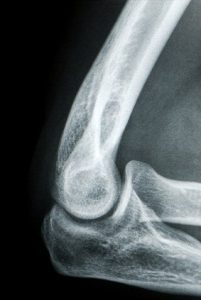
ulnar collateral ligament injuriesThe human elbow is an intricate part of the body. While it is essentially a hinge joint and looks fairly straightforward – the elbow is made up of a complicated series of bones, joints, and ligaments. Within the elbow the radius and ulna must rotate and slide with the humerus to bend or straighten the arm. These movements are possible with the help of ligaments and there are two main ligaments that are important in order to achieve optimal elbow maneuverability: the lateral collateral ligament and the ulnar collateral ligament.

Both ligaments work together to keep the humerus connected to the ulna and to keep the ulna in place. Elbow stability depends on these two ligaments and when one is injured, it seriously affects how the elbow functions. Often, the ulnar collateral ligament is hurt through overuse or repetitive use. Not surprisingly, athletes who often depend on throwing motions are most likely to report ulnar collateral ligament injuries. This especially applies to baseball pitchers, quarterbacks in football, and softball players in the outfield. There are three phases to ulnar collateral ligament injuries and being aware of the stages can help to prevent further damage from occurring.

3 Phases to Ulnar Collateral Ligament Injuries

Phase 1: Microtearing

Microtearing is the first phase to a full blown ulnar collateral ligament injury. If it can be prevented then the injury has a better chance of being prevented. The small tears through the ligament occur when the force that the tissues are handling is heaving than the strength of the ligament. When the ligament starts to tear, it is not extremely noticeable. Often it takes months or years of repetitively hard throwing motions to begin the microtearing process.

Phase 2: Degeneration

Degeneration occurs after microtearing when the build-up of minute tears starts to wear away at the ulnar collateral ligament and leaves lasting damage that the body cannot keep up with repairing. When degeneration sets in, pain may start to occur in the elbow and swelling is often seen from the outside. If ulnar collateral ligament injuries are detected in this phase, the healing process can remain nonsurgical. Often, even when ulnar collateral ligament injuries have reached the degenerative stage, rest and modification of activity can stop the injury from worsening and allow the body a chance to start healing.

Phase 3: Rupturing

When an ulnar collateral ligament ruptures, it is accompanied by a loud pop and immediate pain. When an ulnar collateral ligament ruptures, the elbow will lose most of its stability. Sometimes a rupture can occur from just one powerful ligament tearing throw by an athlete; however, more often, the ligament will rupture after years of micro tears and degeneration has already weakened the ligament. When a rupture occurs, surgery is the main option for recovery and a board certified orthopedic surgeon can tell if an ulnar collateral ligament rupture will require repair or reconstruction.

Athletes who often use their arms to pitch, throw, or launch repetitively should be aware of the three phases that lead to ulnar collateral ligament injuries and seek qualified medical attention if they start to feel any of the following symptoms:

  • Pain throughout the inside (side closest to your body) of the elbow
  • Any popping sounds or grinding noises
  • Swollen areas or bruising along the inside of the elbow

A simple MRI can detect any potential ligament injuries. If ulnar collateral ligament injuries are detected an orthopedic physician can help to set up a treatment plan. However, if the damage is too far along then surgery may be the only option.

If you are feeling any significant pain in either of your elbows, regardless of if you are an athlete or not, visit Dr. Stacie Grossfeld of Orthopaedic Specialists, PLLC in Louisville, KY. With the help of Dr. Grossfeld, you can prevent further damage to your ligaments, joints, and bones while starting a treatment plan to fix any existing damage. Contact Dr. Grossfeld here or by calling 502-212-2663 today!

Dr. Stacie Grossfeld of Louisville’s Orthopaedic Specialists PLLC Named 2017 Volunteer of the Year by the YMCA at Norton Commons

ymca at norton commons

Dr. Grossfeld accepts her award for the 2017 Volunteer of the Year from Mike Bramer, the District Executive Director at the YMCA at Norton Commons.

Louisville, KY – April 27, 2017 – Dr. Stacie Grossfeld, orthopedic surgeon at Orthopaedic Specialists, PLLC, has been named Volunteer of the Year by the YMCA at Norton Commons in Louisville, Kentucky. Since 2015, Dr. Stacie Grossfeld has served on the Board of Directors for the organization, and has regularly connected the YMCA with potential business partners since joining.

Since joining the Norton Commons YMCA Board of Directors, Dr. Stacie Grossfeld has been happy to help fundraise for the Y at Norton Commons.

Some examples of Dr. Grossfeld’s involvement with the YMCA at Norton Commons include:

  • Finding and giving the Y a $4,000 blood pressure machine for members to use
  • Securing donations and contributions to the YMCA at Norton Commons
  • Encouraging individuals and families to join the YMCA through her orthopedic and sports medicine practice

Describing their experience with Dr. Grossfeld, leaders at the YMCA at Norton Commons explain: “Stacie is a tremendous asset to the YMCA at Norton Commons and she is very deserving of our Volunteer of the Year Award!”

The YMCA at Norton Commons is one of the newest YMCA facilities to open in the Greater Louisville area. At the Norton Commons YMCA, families can take advantage of a wide variety of programs including:

  • Nutritional Consultation
  • Personal Training
  • Youth Fitness Fundamentals
  • YMCA Weight Loss Challenges
  • Fundraisers through the YMCA Teen Leaders Program

The YMCA at Norton Commons also offers a warm water pool for recreational activities, a lap pool for exercise, a sauna, spa, group exercise and cycling classes, a fitness center, supervised Kid’s Club, Club Y for preteens, a full gymnasium, and more.

To read more about how Dr. Stacie Grossfeld helps give back to her Louisville, KY community and what the YMCA at Norton Commons has to offer to children and adults alike, click here.


10 Items You Need to Pack for Spring Break Travel

spring breakSpring break is the perfect time to get away from day-to-day life and take a trip to the beach. Whether you are a college student travelling with friends or a family looking to spend some quality time in a warm area, spring break is a great opportunity to break up the long stretch of winter, soak up some sun, and relax on a beach for a week. However, it is important to be prepared for any bump in the road when travelling and smartly packing your bags can really help.

Are you traveling to the beach for spring break this year? Whether you are going to an exotic beach outside of the country or just out of town, follow along for a helpful packing list to ensure that you have a great trip!

10 Items You Need to Pack for Spring Break Travel

1. Proof of identification

If you are going out of the country then it is prudent you remember your passport. You will not be allowed through customs, or aboard international flights, without your passport. If you are flying within the country then your driver’s license will suffice as a form of identification, but it is always best to play it safe and have two forms if they are available to you.

2. Sunblock

Going to the beach in the middle or towards the end of winter often means that your skin will be exposed to more sun than it’s seen in the last few months. Sunblock is crucial for avoiding sunburn (which can quickly ruin a vacation) and by packing your own, you avoid paying high costs for sunscreen at your resort or store around the area.

3. Band-Aids®

In the same way that your skin is going to be sensitive to the sun after being covered up, your feet are going to be sensitive to your sandals or flip flops after months of no wear. Band-Aids® are a great item to have in your bag in case your shoes start to rub blisters on your feet. Blisters can ruin a vacation as quickly as a sunburn can, so be sure to pack for prevention instead of treatment!

4. Tylenol and Motrin

Yes, both. There are big differences between how Tylenol and Motrin treat fever, inflammation, and pain. Tylenol is an acetaminophen that relieves pain and fever but does not reduce swelling and inflammation whereas Motrin is a non-steroidal anti-inflammatory medication which is great for managing both pain and swelling while also reducing inflammation. It’s good to have both with you so that you are prepared for any injury or pain that may arise while on vacation.

5. Zinc Oxide

Zinc oxide is often seen on the noses of life guards at the beach, but it is important to have some in your luggage in case someone is prone to severe sunburn. The thick, white paste is the broadest spectrum UVA and UVB absorber approved for use in sunscreen and has other uses as well. Zinc oxide is also called Desitin and used for diaper rash; however it is effective in treating sand rash, too!

6. Healthy Snacks

Be sure to bring healthy snacks with you for the airplane trip or long car ride to the beach. Health snacks can often be hard to find in the airport without paying a pretty penny or at roadside gas stations that are prone to selling sodas, potato chips, and candy bars over granola, dried fruit, and fresh cut vegetables. By choosing healthy snacks over junk food – you will stay fuller for longer on less food and also feel better for when you’re ready to get into your bathing suit and onto the beach.

7. Sunglasses

The beach is a sunny place most of the time and sunglasses are important to protect your eyes from excessive UV rays. When your eyes are unprotected and exposed to a lot of sunlight, you are more prone to get a headache which will dampen your spring break fun. We recommend packing a pair of sunglasses in your day-to-day bag, as well as your carry-on if you are flying, and bringing an extra pair in your suitcase. Like sunscreen, resorts and stores nearby know that sunglasses are in high demand over spring break and raise the prices.

8. Goggles

If you are swimming in the resort pool or in the ocean, you will want to pack swimming goggles in your bag. Swimming goggles will protect your eyes from chlorine in the resort pool and salt in the ocean water. Getting an eye infection or a bad case of dry eyes can ruin a vacation as fast as a sunburn or blister can and will require more care than what you can do for yourself.

9. Cash

It is extremely important to carry cash with you whether you are flying to your destination or driving. Cash is beneficial for giving quick tips to bellhops in hotels and wait staff at a restaurant. If you lose your debit or credit card then your cash will be your saving grace. We recommend keeping about $100 in cash on you to start vacation. Use your card when it available to save your cash for an emergency, but $100 should be enough money to keep you afloat if you are to run into trouble over the weekend and are unable to get to a bank until Monday.

10. Phone Charger

This may be last on the list, but that does not mean it is any less important than the other nine items. Be sure to pack your phone charger in your day-to-day bag or your carry-on for easy accessibility. Pack an extra phone charger in your suitcase, so you have a back up. Like other amenities, phone chargers are more expensive in your vacation spot than at home should you need to buy a replacement, so it is better to be prepared then in need.

We hope these tips help you prepare in packing your bags for your spring break travels. Remember that the more you can bring from home, the better you are going to be prepared and able to have an enjoyable, worry-free vacation! From the entire team at Orthopaedic Specialists, PLLC – we hope you have a safe and fun spring break!


 

Dr. Grossfeld Picked for Pumpkin Decorating Contest

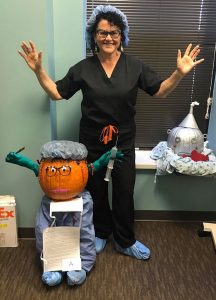
dr-grossfeld-next-to-pumpkin-from-pumpkin-decorating-contestMetro Specialty Surgery Center in Louisville, Kentucky is having a pumpkin decorating contest and guess who’s face they chose to decorate as a pumpkin? Dr. Grossfeld!
The Details to Making Dr. Grossfeld

The nurses decided that they wanted to decorate a pumpkin that looks like one of the doctors. They felt that Dr.Grossfeld’s wardrobe, jewelry and glasses would be somewhat iconic. Plus, they said they really wanted to do a female surgeon and since Dr. Grossfeld is the only one, she became the model for the pumpkin.

Patty Morgan was instrumental in determining the supplies to use for the pumpkin decorating contest. Confetti was used to make the curly hair because that gave volume to the hair underneath an operating room cap!! Though it was difficult to find cat eye glasses, they popped out the lenses of some sunglasses and dazzled the rims.

And of course, Dr. Grossfeld’s look-a-like pumpkin also includes lots of pretty beads (from the Family Dollar) and pink lipstick (which actually worked surprisingly well).

Shoulder Pain – An Overview from Louisville Orthopedic

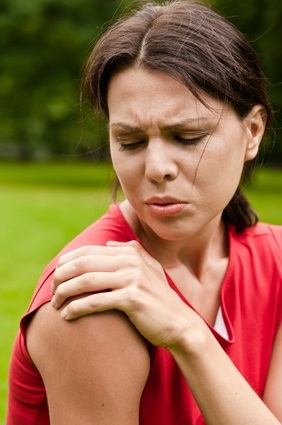
Shoulder Pain from Shoulder InjuryShoulder Pain Common With Shoulder Injuries

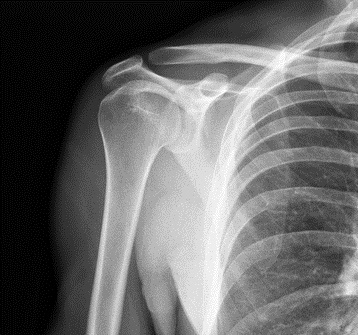
Your shoulder is comprised of three different bones – your humerus, clavicle, and scapula. Along with these bones, your shoulder also has a lot of ligaments, muscles, and tendons. Shoulder pain is a common symptom of a shoulder injury. Shoulder injuries are common and can happen as a result of an accident, some type of sports injury, or during a bad fall.

People who engage in a lot of repetitive arm movements that involve the shoulder are also at an increased risk for some type of shoulder injury.  Certain jobs like painting ceilings and walls, fixing cars that are on an overhead vehicle lift, or carrying and raising objects overhead, may lead to a shoulder injury over a period of time.

According to the CDC, millions of Americans experience chronic shoulder pain that lasts for longer than a few weeks. Shoulder injuries tend to be quite painful and can keep people off the playing field or out of work for an extended length of time.

Looking at occupational injuries among full-time workers in 2011, data from the U.S. Department of Labor’s Bureau of Labor Statistics revealed that 12% of all injuries involved the shoulder. About one third of ergonomic injuries or musculoskeletal disorders (MSDs) required time off from work, and the most severe involved shoulder injuries, which required an average of 21 days off from work. (more…)

Frozen Shoulder Treatment

frozen shoulder treatment and shoulder surgeryTreatment of a Frozen Shoulder: Adhesive Capsulitis


A frozen shoulder, also known as adhesive capsulitis, happens when a person has a stiff shoulder and it cannot be moved through a full range of motion passively or actively. It is not painful as long as the arm is not being moved around. If the shoulder is forced to move in the range where the stiffness is present, it is very painful.

Non-Surgical Treatment for Frozen Shoulder

The mainstay of treatment for frozen shoulder involves reduction of the inflammation with an oral anti-inflammatory medication or a cortisone injection with concurrent physical therapy or home exercise program.  Most frozen shoulders can be treated successfully this way.

Surgical Treatment for Frozen Shoulder

If this nonsurgical treatment fails, surgical treatment is the next option. Surgery for frozen shoulder can range from a simple closed manipulation under anesthesia to surgical resection of the scar tissue and capsule release.

(more…)

Ten Things that Can Cause an Asthma Attack

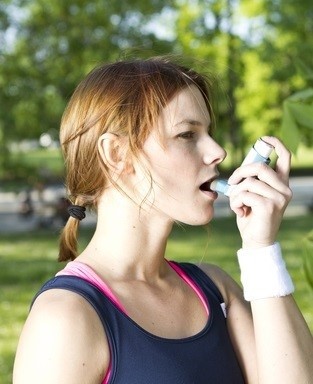
asthma attackAsthma is a common condition that, according to the National Center for Environmental Health, strikes upwards  of 1 in 11 children and 1 in 12 adults.

Asthma rates in Louisville are even higher than the national average with 13% of adults in Jefferson County reported to have the condition, based on BRFSS data.

Asthma is a challenging disease that makes breathing difficult. When a person experiences an asthma attack, there is inflammation in the airways in their lungs, which causes breathing problems.

An asthma attack can vary in severity from more moderate to very severe. In the most extreme cases, people can even die from the condition.

Common symptoms associated with  an asthma attack include wheezing, coughing and difficulty breathing. People experiencing an asthma attack also sometimes feel chest pain. (more…)

What is Patellar Instability? Learn More about your Knee Cap

anatomy of the kneePatellar instability or patellar subluxation happens when your kneecap does not slide evenly in your femoral groove area.

The patella, commonly referred to as the knee cap, is comprised of three bones that join together to create what is called your knee joint.

As your knee bends and straightens back out, the patella shifts up and down a groove in the femur called the trochlea.  A coating of articular cartilage on the patella and the trochlea helps to make the knee slide more smoothly.

If the patella shifts completely out of the trochlea, it is referred to as patellar dislocation. If the patella comes partially out of the trochlea, it is called patellar subluxation or patellar instability. (more…)

Orthopaedic Specialists earns A+ Ranking from Louisville Better Business Bureau BBB

Orthopaedic Specialists Receives Top Better Business Bureau Rating

Orthopaedic Specialists in Louisville Kentucky is pleased to announce that we received an A+ Rating from the Better Business Bureau.

The BBB provides letter grades for companies based on information received about the business. Letter grades are assigned to companies ranging from an F which is the lowest to the highest which is an A+.

Some of the elements that the BBB bases grading on include the following seven rating factors:

  1. Complaint history of the business
  2. Type of business
  3. Length of time in business
  4. Background information
  5. Compliance with BBB commitments
  6. Licensing and government related issues
  7. Advertising issues

Orthopaedic Specialists is very proud of our A+ ranking from the Better Business Bureau. Board certified orthopedic surgeon Dr. Stacie Grossfeld at Orthopaedic Specialists provides a wide range of orthopedic services. (more…)