Hip Pain During Pregnancy

Causes of Hip Pain During Pregnancy

If you’re experiencing hip pain during pregnancy, this is often completely normal. Hip pain is especially common during the third trimester. This is because your body is preparing for labor. During this time, your body release hormones that allow your connective tissues to relax, soften and expand. This allows the joints and ligaments near your pelvis to loosen and become more flexible. This is especially important for a healthy birthing experience. Additionally, many pregnant women with hip pain are sore on the side of the body where their baby tends to rest.

Sometimes lower back pain is associated with hip pain during pregnancy. As your pregnancy moves closer to full-term, you may start to notice changes in your posture. This is often paralleled by the increasing weight of your baby.

hip pain during pregnancy tips and relief

Megan is an X-ray tech with Orthopaedic Specialists. She has worked throughout her pregnancy and she is scheduled for a C-section soon. Congratulations Megan!!

While hip pain for pregnant women is common, it’s always advisable to pay close attention to your body. If you ever experience sharp, stabbing pain in your hips and lower body, you should consult a physician immediately.

Also, any lower hip pain that begins to wrap around your stomach and on either side of your body could be associated with preterm labor. It’s important to understand the difference between common hip pain symptoms and pain that could indicate other issues.

9 Tips to Ease Hip Pain During Pregnancy

And as any pregnant woman can attest, hip pain is just one of the many symptoms of pain that may come along with pregnancy. (more…)

Symptoms of the Zika Virus: An Overview

Zika Virus SymptomsFor many people living in tropical regions in Central and South America, the Zika virus has been a concern since the 1950s. Recently, the Zika virus has spread at an alarming rate. And now the virus has traveled to North America with 14 known cases in Miami, Florida in August 2016. This virus is extremely worrisome for pregnant women or those looking to become pregnant. The Zika virus causes serious birth defects in children born to a Zika infected woman.

Because of the seriousness of this virus, it’s extremely important that the public recognize Zika virus symptoms and take proper precautions. The Zika virus can spread through infected mosquito bites or through sex with an infected partner. Recognizing Zika virus symptoms is the first step to prevention with the Zika virus. It’s also important to note that although four out of five people have visible symptoms, according to Medical Daily, some people are symptom-free and unaware that they are suffering from the virus.

Zika virus symptoms are mild, but there have been extreme cases that have required individuals to be hospitalized. Most Zika symptoms last for a couple of days and for as long as a week. If you have traveled abroad recently to a high risk region, you should listen to your body and notice any unfamiliar changes that are common Zika virus symptoms.

6 Zika Virus Symptoms

  1. Headaches

    Headaches are often the first symptom that many infected people first experience. It is important to recognize the difference between your normal sinus headache and one connected with the Zika virus. Also, if your headache becomes severe to the point where you experience sound and light sensitivity, and nausea, you may want to see a physician.

  2. Rash

    According to NBC News, a Zika rash occurs in about 90 percent of those that have been infected with the virus. Usually it starts on the hands and arms and then moves to cover the whole body and down to the feet. This rash appears to include red, raised bumps that become itchy and uncomfortable.

  3. Fever

    People infected with Zika virus begin to run a fever as symptoms progress. Often the fever is mild and does not exceed 103 degrees. If your temperature increases, you will want to drink plenty of water and get some rest. As always, if your temperature is running high consistently, you will want to seek medical attention.

  4. Joint Pain

    Pain and a burning sensation in your wrists, knees and ankles is a very common symptom of the Zika virus. This sudden onset of pain and inflammation can look like arthritis symptoms. It is especially important to notice the timing of this pain, if you are returning from the U.S. after having visited a high risk region.

  5. Muscle Pain

    Along with joint pain, individuals infected with the Zika virus sometimes experience symptoms of muscle pain and weakness. This may become especially noticeable during your regular physical activities. Remember to pay attention to your body and relieve this pain by resting and icing the affected muscles.

  6. Conjunctivitis

    Itchy, red eyes that appear to look bloodshot have been reported as a common symptom of the Zika virus. If you suddenly experience this symptom, make sure you rule out allergies or times when your eyes may have come in contact with pollutants, chemicals or other substances.

If you experience any of these symptoms following international travel or sexual contact, you should seek medical attention immediately. While the symptoms are mild, it is important to identify the zika virus through a blood test. Currently there are no vaccines or medications available to treat the zika virus. You can use Tylenol or acetaminophen to help manage the pain. Do not use Ibuprofen and aspirin as they can raise the risk of bleeding. Lastly, once a person has been infected by the zika virus, he or she is likely to be protected against future infections. Scientists and health providers are still working to discover more information about the zika virus, so at this time the research is still incomplete.

For more information on the Zika virus, Zika virus symptoms, or cases of joint and muscle pain, call Dr. Grossfeld’s office at 502-212-2663.

Ruptured Tendons in Anabolic Steroid Users

Steroid Use in Bodybuilders may lead to Ruptured TendonsSteroid use is more frequent with the intense level of competition in today’s sports. For bodybuilders, the consumption of steroids allows these individuals to grow their existing muscles in size. These types of drugs help bodybuilders burn fat, gain muscle and achieve a desired body appearance for competition.
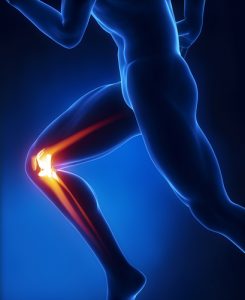
While steroid use is illegal without a doctor’s prescription, many athletes including bodybuilders are beginning to use steroids more frequently than ever before.

Common Types of Steroids Used by Some Athletes

Because of the very serious health risks involved, it’s very important for athletes and coaches to understand the physiological impact of taking steroids. There are four common types of steroids that athletes and other individuals take to strengthen and build muscles. These include:

  1. Testosterone
  2. Anabolic steroids
  3. Human Growth Hormone (HGH), and
  4. Insulin.

The types of steroids listed above produce different results and come with different side effects. All of these drugs should NOT be taken without your physician’s approval. Steroids are dangerous to individuals that abuse them.

Research on Bodybuilders and Anabolic Steroid Usage Finds Risk of Ruptured Tendons

While these different types of drugs are illegal and often result in bad side effects, it is important to address the impact of these drugs. A recent study published in the American Journal of Sports Medicine in October 2015 found that bodybuilders saw an increase in ruptured tendons while using anabolic steroids. Dr. Gen Kanayama studied 142 bodybuilders to determine the impact of steroid use in these individuals.

This group of bodybuilders were divided into two groups. They had 88 athletes that had been on the steroids for at least two years, and 54 athletes that had no history of any steroid use. What they found was quite interesting. They found that the anabolic-androgenic steroid users had a 22 percent incidence of tendon ruptures compared to only 6 percent with a non-steroid bodybuilders. The non-steroid bodybuilders tendon ruptures were in the lower extremities involving the knee or the ankle. They found that the only athletes that sustained upper extremity tendon ruptures were the bodybuilders that were taking anabolic steroids.

Overall, there was a higher incidence of tendon ruptures among steroid users. In contrast, non steroid body builders had a much lower incidence of tendon ruptures. Seventeen percent out of the 22 percent of tendon ruptures were in the upper extremity for the steroid bodybuilders. And there were no tears in the upper extremity for the non-steroid bodybuilders. (more…)

Does Undergoing ACL Reconstruction Surgery Help Your Knee in the Future?

ACL reconstruction surgery has been scientifically proven to provide more stability to your knee. This treatment option allows you to get back to your regular activities, sports and work responsibilities that may require twisting, turning and jumping.

While acl reconstruction surgery has proven to be a positive outcome to treat ACL tears, some patients decide against undergoing ACL reconstruction surgery for various reasons. This decision has sparked questions about the health of the knee over time. Do patients that undergo ACL reconstruction “protect” their knee from other future problems? Are they less likely to experience future meniscal tears, osteoarthritis, and subsequent pain?

ACL Reconstruction Surgery Research

The Mayo Clinic at Rochester, Minnesota, performed an ACL Reconstruction Surgery and Future Outcomesoutstanding study that was published in the July 2016 American Journal of Sports Medicine by Dr. Thomas Sanders. The researchers evaluated 509 patients that needed ACL reconstruction surgery.

Study participants were divided into two groups: 1) those treated with an early ACL reconstruction surgery less than a year following the injury, and 2) those that had a delayed ACL reconstruction.

From a total of 509 patients, 364 of these individuals were treated without surgery. The study spans from two months to 25 years following the initial ACL injury and treatment plan.

Researchers wanted to understand the outcomes for nonsurgical knee injury patients. They wanted to see if patients who avoided ACL reconstruction surgery had different outcomes. Did they develop more meniscal tears? Were they more likely to experience earlier onset osteoarthritis? Were their rates of total knee replacement higher? The study had an average follow-up time of 13.7 years.

Treating ACL Injuries – ACL Reconstruction Surgery Vs. Non-Surgical Treatments

Based on the study, researchers found that non-surgical ACL injury patients had more issues later on in life. These individuals had a significantly higher likelihood of developing a secondary meniscal tear. They were also more likely to be diagnosed with osteoarthritis and undergo total knee replacement surgery.

According to the research findings, patients treated with a delayed ACL reconstruction greater than one year after the injury, had a higher likelihood of developing a secondary meniscal tear. Compared to the patients treated with early ACL reconstruction, those with a delayed ACL reconstruction were also more likely to be diagnosed with osteoarthritis.

Researchers also looked at which risk factors played a role in articular cartilage damage, meniscal pathology, and the advancement of arthritis. And they found that patient age was a factor. (more…)

The Zika Virus: An Overview

Zika Virus OverviewLouisville orthopedic surgeon Dr. Stacie Grossfeld is very interested in learning more about the Zika virus. One important reason is that joint pain is one of the major symptoms of Zika. And in reading about Zika, Dr. Grossfeld created an informative PowerPoint presentation, the: Zika Virus Overview, to share so that others can also become informed about this important public health issue.

Follow along for an overview of the Zika virus, and for more detailed information, visit the Centers for Disease Control and Prevention (CDC) website.

Understanding Zika

Zika is a virus spread by the bite of an infected Aedea species mosquito or through sex from a person who has the virus. Zika typically causes mild symptoms characterized as a fever, rash, joint pain and red eyes. While these symptoms usually only last a couple of days to a week in time, you may not show any symptoms even if you are infected, or the symptoms may not be noticeable.

Yet for one segment of the population, Zika is very serious. Zika poses a huge risk to unborn fetuses. The Zika virus has been connected to a birth defect called microcephaly along with other severe brain defects. Find more detailed information about pregnancy outcomes and Zika from the CDC.

A Brief History of the Zika Virus

The Zika virus originated in Uganda in 1947 when it was initially detected in monkeys. Nigeria reported the first human case in 1954.

Since this time, the virus has spread to other locations around the world including: South America, Africa, South East Asia and the Pacific Islands.

In May 2015, Brazil became a new site for the rapidly spreading virus. In July 2016, U.S. health officials reported 14 cases of Zika in a neighborhood in Miami, Florida.

People around the world, and especially those traveling to infected areas, are at risk of the Zika virus. Unfortunately, there is no current vaccine or medication to treat Zika. However, there are several things you can do to protect yourself against the spread of the Zika virus.

5 Tips to Help Prevent the Zika Virus

If you are interested in learning about ways to prevent Zika, here are five helpful tips.

  1. Avoid traveling to areas affected by the Zika virus.
  2. Always practice safe sex.
  3. Use Environmental Protection Agency (EPA) – registered insect repellents.
  4. Use mosquito nets, screened-in windows and doors to keep mosquitoes outside the home.
  5. Empty, clean and scrub items that hold water, including things like tires, buckets, planters, toys, pools, bird baths, flowerpots and trash cans.

Zika and Pregnancy:

The Zika virus is transmitted through sex from a person who has Zika to sex partners. The only way to eliminate the risk of getting Zika from sex is abstaining. You can protect yourself from the Zika virus during sex by practicing safe sex through condoms, dental dams and birth control. Zika Virus and pregnant Women

Pregnant women can pass the Zika virus to a fetus during pregnancy or around the time of birth. This virus is known for causing severe birth defects like the case of microcephaly. This disease is characterized by a below-average head size and inhibits the brain from growing at a normal rate. Zika can cause fatality, disabilities and developmental delays in children. (more…)

Life After ACL Injury – Risk for Secondary Injury in Youth Athletes

“If You Have an ACL injury and Undergo Surgery, is There a Risk for Secondary Injury in Youth Athletes?”

Understandably, many youth athletes, parents and physicians are concerned with secondary injury, especially following common injuries like an ACL injury. Youth athletes that undergo surgery following an ACL surgery should receive the best outcome for their future. Many athletes fear recurring injuries due to a previous surgery or injury.

ACL Re-injury in Youth Athletes There was an excellent review published in the July, 2016, American Journal of Sports Medicine that was performed at the Cincinnati Children’s Hospital. Dr. Amelia Wiggins was the lead author.

The study was a systematic review of literature from PubMed from 1966 to July 2015. PubMed is the U.S. National Library of Medicine National Health Institutes of Health. This online resource comprises more than 26 million citations from various biomedical journals, books and articles.

The authors reviewed all of the articles and selected only specific articles that met criteria for secondary injury in young athletes. Researchers reviewed 19 articles and used this data to formulate the bases of their research project.

Research Findings Re: ACL Injury in Youth Athletes

The researchers found that the second total ACL re-injury rate was 15 percent. Of this 15 percent, 7 percent of these injuries occurred on the same side of the body. Eight percent were on the opposite side of the body as the previous injury. The secondary ACL injury rate for both the same leg and the opposite leg for patients younger than 25 years was 21 percent. The secondary ACL injury for athletes that returned to sport was 20 percent. Researchers combined these risk factors and athletes 25 years and younger that returned to sports have a secondary ACL injury rate of 23 percent.

Researchers concluded that the combined data indicated that nearly one in four young athletes that have undergone ACL treatment will face another ACL injury in their career, most likely early after returning to play. (more…)

Outcomes for Hip Arthroscopy for Femoral Acetabular Impingement, Based on Gender and Age

There was an excellent article published in the American Journal of Bone & Joint Surgery in May, 2016, by Dr. Rachel Frank, at a Rush University Medical Center in Chicago, Illinois. The study looks at patients undergoing hip arthroscopy for femoral acetabular impingement (FAI).

Outcomes following Hip Arthroscopy for FAIThis study was performed by a single fellowship trained surgeon. The patients were divided into groups based on age and gender. This included a group of females younger than 30 years, females age 30 to 35 years, and female patients older than 45 years. They used similar groupings for the male patients.

The researchers found that all of the patients older than 45 years of age scored significantly worse on outcome scores compared to the younger patients. While all patients had significant improvements in outcomes following hip arthroscopy, when comparing the groups, the patients older than 45 years of age performed worse than the younger patients. Female patients older than 45 years of age demonstrated the lowest outcome scores.

Based on the research findings, the authors concluded that care must be individualized to optimize outcome as far as hip arthroscopy for femoral acetabular impingement. And females over age 45 should be a group that is looked at carefully prior to performing hip arthroscopy for femoral acetabular impingement. (more…)

Preparing for Knee Replacement? What Happens Before the Surgery?

For the most part, knee replacement surgery or total knee arthroplasty is a very common operative procedure. In fact, in the last 20 years, knee replacement surgery has increased in volume by about 160%. And it’s projected that the number of total knee revisions is projected to increase by 600% in the next 15 years. A knee replacement revision occurs after your initial total knee replacement fails or wears out. If you’re preparing for knee replacement surgery, follow along for the latest research and insights.

Preoperative History – Preparing for Knee Replacement

Before knee replacement surgery, your orthopedic surgeon will assess the presence of your comorbid condition. This includes smoking status, alcohol consumption, medication, and mental status. These are very important to help guide preoperative evaluation and medical optimization.

Dr. Michael Tanzer and Dr. Makhdom published a review article on preparing for knee replacement in the Journal of American Academy of Orthopedic Surgeons in April 2016. The authors identified areas that must be looked at prior to joint replacement surgery. This is done to make sure that the patient awaiting surgery does not have any active infections or other health conditions that would negatively affect surgical outcomes.

Orthopedic surgeon preparing for knee replacementWhen preparing for knee replacement surgery, you should be assessed for your overall venous thromboembolic risk. This is the risk for developing a blood clot. Your doctor should ask you if you’ve ever had a blood clot or pulmonary embolism. And if you have, your surgeon may require that you see a hematologist to evaluate why. Your doctor will want to prevent another blood clot from occurring.

Also, your social history will be evaluated. This is important regarding postoperative rehabilitation and discharge planning from a hospital. It should be of note that more total knee replacements are now being done as an outpatient procedure. When preparing for knee replacement, in-home rehab and in-home nursing care will need to be set up before the surgery.

The physician will also identify independent risk factors for complications that occur around the perioperative period. This includes dementia, history of diabetes, morbid obesity with a BMI of greater than 40, renal and cerebral vascular disease. Studies show that postoperative complications are much higher in patients that have these diagnoses.

Your doctor may ask you if you had a neuromuscular condition such as Parkinson’s. This is important since it can cause postoperative instability of the knee replacement.

If your surgeon notes that you have a history of one or more of these conditions, the risk of surgery may outweigh the benefit of a knee replacement.

Physical Examination When Preparing for Knee Surgery

During your physical examination, your knee surgeon will look at your gait pattern. That may indicate whether you need a special type of knee replacement, called a constraint knee design. The assessment of prior surgical scars will be identified because that may change the way the surgeon makes an incision for total knee replacement. A 5 to 6 cm of skin bridging between the new incision and the old incision is desirable to avoid postoperative pain complications. Your doctor will also examine your skin to see if there is any sign of infection or cellulitis or adherence to the underlying bone.

Additionally, your orthopedic surgeon will evaluate your range of motion. We know that if your knee is stiff before surgery, that is the biggest risk factor for having a stiff knee postoperatively. Identification of preoperative knee stiffness can help the surgeon plan intraoperative strategy for correction. (more…)

USA Cycling Hosts Competition in Louisville, Dr. Grossfeld Serves as Event Doctor

The USA Cycling Amateur Road National Championship, presented by Papa Johns, took place in Louisville, Ky on June 30th through July 3rd. This national event featured a total of 850 riders, ages 9 to 23, from all across the country. All competitors must be U.S. citizens or permanent residents with a USA Cycling membership. This event brought together some of the youngest, and talented riders in the United States.

Athletes opened up the four days of competition with time trials at Spencer County High School in Taylorsville, Kentucky. This race is known as “the race of truth,” because it requires intense training and mental strength to achieve a desired time. On Friday and Saturday, Cherokee Park was used for two days of road races. In this type of race, all riders begin at the same time and the winner is determined by crossing the finish line first. The final race (the criterium) on Sunday was held at Shawnee Park. The criterium race is a high-speed bicycle race where riders speed around a closed circuit racecourse to finish first.

With the help of the local community and passionate volunteers, the Louisville Sports Commission and USA Cycling were able to host a great event for these athletes.

“We have a great working relationship with the Louisville Sports Commission. This is probably our fourth national championship that we’ve had here in Louisville. So it made natural sense. Our last actual national championship here at Cherokee was in 2008 with our Masters Road Nationals. So it just made sense to come right back to a venue that we already knew and work with great partners again,” said Tara McCarthy, events manager for USA Cycling National.

The community and other organizations came together to make this such a successful event. Louisville orthopedic surgeon and sports medicine physician Dr. Stacie Grossfeld enjoyed getting involved in a variety of ways. This included hosting a pre-race social gathering for athletes and coaches at her Louisville-area home, and serving as the event doctor for the criterium race held on Sunday at (more…)

2016 USA Cycling Amateur Road Nationals Kicks Off with Social Event Hosted by Dr. Stacie Grossfeld

Dr. Grossfeld Hosts Social Event for Juniors Competing in 2016 USA Cycling Amateur Road Nationals in Louisville

2016 USA Cycling Amateur Road Nationals ParticipantsThe 2016 USA Cycling Amateur Road Nationals is taking place in Louisville, Kentucky, June 30, 2016 through July 3, 2016. Kids from all over the United States are in Louisville to participate in this annual event. The 2016 USA Cycling Amateur Road Nationals includes a criterium, road racing, time trials and a national championship. This cycling event is sponsored by Papa John’s.

In order to bring together kids from across the country, Louisville orthopedic and sports medicine doctor Stacie Grossfeld decided to kick off the event by hosting a special celebration at her home on Tuesday, June 29, 2016. The 2016 USA Cycling Youth Participants in Louisville KYevent included 90 youth cyclists representing top teams from all over the USA. Louisville-area youth in attendance included cyclists from the: Papa John’s Racing Team, Revolution Devo Cycling, Better Cycling of Louisville, Team Louisville, and TWENTY16.Kids participating in the 2016 USA Cycling Amateur Road Nationals

This special social event gave the kids participating in the 2016 USA Cycling Amateur Road Nationals the rare opportunity just to relax, socialize and get to know other cyclists and coaches from across the country.

Describing the event, Dr. Grossfeld explained: “In the
beginning, the kids were hanging out in small groups with their team members but after a little while, it was great to see that kids from all the teams were socializing together, playing tennis, basketball, swimming, eating, and just having a good time.”

Papa John's Youth Cycling Team

Cyclists on the Papa John’s Youth Cycling Team enjoy socializing before the kick off of the 2016 USA Cycling Amateur Road Nationals.

During the event, attendees enjoyed playing basketball, swimming, playing tennis, sharing stories, and eating….(and eating and eating). In fact, Dr. Grossfeld noted that this healthy, fit and active group of kids managed to eat over 100 hamburgers and buns, 30 pounds of fruit salad, 18 pounds of tortellini, 10 pounds of veggie trays , 3 mega bags of chips , 2 pounds of hummus, half pound of pesto, 10 pounds of french fries and 120 cookies!!! (more…)