
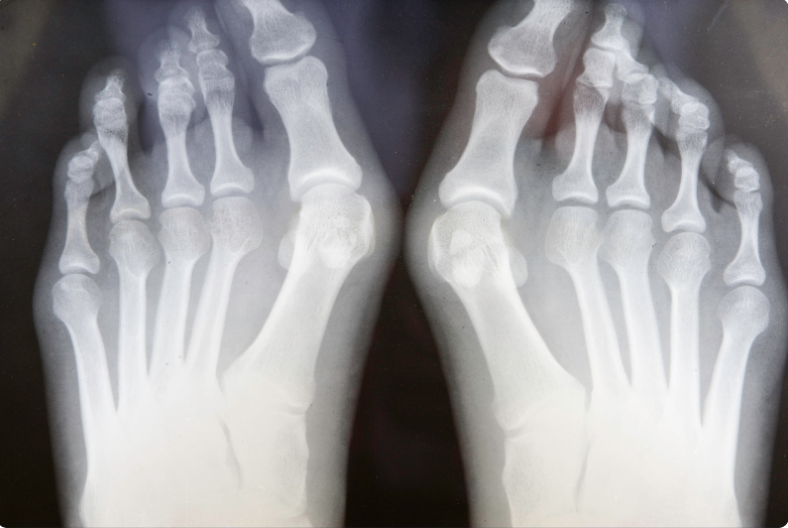
Hallux Valgus and Bunions
Hallux valgus is an orthopedic condition that causes a deformity in the foot as the big toe begins to point toward the second toe. Bunions are a result of the movement, and are characterized by a bony lump that appears on the inside of of the foot at the base of the big toe. Over time, bunions can get bigger and more painful, but taking the proper steps to prevent and manage them when they first appear can put off surgical treatment.
What Causes Bunions?
One of the largest factors contributing to the development of bunions is genetics. Approximately 70% of people with with this condition have a family history of the condition, especially amongst adolescents. Otherwise, hallux valgus can develop due to several factors, such as unbalanced force exerted on the joints, tendons, and ligaments of the foot, certain lifestyles, foot trauma, pre-existing conditions, and repetitive micro-trauma. It is important to note that while lifestyle factors can increase the risk of developing bunions, not every person at higher risk develops bunions as a result of their activities.
With these factors in mind, the populations most at risk of developing bunions are:
- Women, especially pregnant women
- Athletes, especially ballerinas and dancers
- People in occupations that involve long periods of standing and/or walking
- People who wear narrow-toed or high-heeled shoes
- People with:
- Low arches, flat feet, or splayfoot
- Weak connective tissue
- A short Achilles’ tendon
- Short calf muscles
- Arthritis or other joint conditions
Symptoms of Bunions
Outside of the visual protrusion, other symptoms of bunions include:
- Pain and tenderness at the site of the bunion
- Redness and inflammation of the toes and/or foot
- Hardened skin on the bottom of the foot
- Calluses or corns on the bunion
- Stiffness, arthritis, or restricted motion of the big toe
- Difficulty or a disruption of normal walking patterns
Are Bunions Painful?
How painful a bunion can be is dependent on how big the protrusion is and how deformed the toes are. Small and unbothered, some people might not notice their bunions. However, as time passes and the condition progresses, the bunion(s) may become bigger. This leads to the complications that make them painful.
One complication with large bunions is the fact that most shoes are not made to accommodate the bony protrusion of a bunion. Tight or ill-fitting shoes might not always cause bunions, but the consistent irritation present when wearing shoes makes the condition painful. Bunion bumps and deformity can also damage the nerves in your big toe and cause numbness or inflammation.
Bunions can also indirectly cause pain, as well. Because of the unnatural way it shapes the foot and affects walking patterns, people with bunions are more susceptible to osteoarthritis in the big toe joint, knees, and hips later in life. Depending on the size, this condition can also affect balance and the deformity might increase the risk of falls, especially for the elderly.
How Are Bunions Treated?
If bunions cause debilitating pain, grow to be disruptive, or threaten future orthopedic health, doctors will recommend bunion surgery to correct the deformity and get rid of the protrusion. However, bunions that are mild or painless can be managed by conservative, non-surgical treatments. Though these treatments will not cure or get rid of bunions, they can greatly slow the progression of them and reduce pain. These non-surgical bunion treatments can include:
- Splints or Braces: Toe splints and toe braces can come in different sizes and forms, but the most common are toe-spacers and night splint.
- Appropriate Footwear: Many doctors will recommend switching to wide-toed, flat shoes to lessen irritation. Being barefoot as much as possible will also eliminate bunion irritation and pressure.
- Shoe Padding or Orthotics: Custom-made or over-the-counter shoe inserts will often be used in conjunction with proper footwear. This ensures that the toes and foot are supported and the pressure put on the muscles, bones, and tendons are correctly balanced.
- Physiotherapy: Stretching and exercising foot muscles can strengthen feet and ligaments, which can help slow the condition.
- Over-the-Counter Painkillers: Non-steroidal anti-inflammatory drugs, or NSAIDs, such as aspirin, ibuprofen, or naproxen can be used manage pain alongside other treatments. However, painkillers should only be used for a short period of time, so be sure to consult your doctor if you experience continuous or extreme pain from bunions.
If you or someone you love has suffered from bunions in the Louisville, Kentucky-area, board certified sports medicine physician Dr. Stacie Grossfeld at Orthopaedic Specialists PLLC can help. Orthopaedic Specialists PLLC is accepting new patients, and same day appointments are available. For additional information or to schedule an appointment, please contact Orthopaedic Specialists PLLC today at 502-212-2663.


 A job at an airline is one that provides ample opportunity to encounter all sorts of individuals. Mr. Attig happened to assist a passenger with a knee brace and got to talking about the passenger’s injury. It was here that he received a recommendation for an orthopedic surgeon in Louisville by the name of Dr. Stacie Grossfeld. And, as fate would have it, the name would come up again with his family physician, who he saw when his knee pain began affecting his active electrical work and airline responsibilities.
 For many of us that lead busy lives, there never seems to be much time to commit to the proper amount of exercise recommended, which is 30-60 minutes per day for adults. Between managing a family, having a full-time job, cooking healthy meals, and taking care of our home and other responsibilities, getting a gym membership on top of it all seems like a moot point. But there are plenty of easy exercises to strengthen your joints and muscles that you can get from the comfort of your home, or even during your day by making conscious choices; a popular one? Walking!

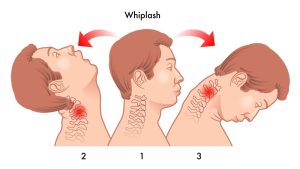 This type of injury is known by terms other than whiplash, such as neck strain or neck sprain, so it might be called by a different name when it comes to articles on the internet or health providers. It also refers to a broader range of injuries rather than just one, like most other injury-related terms do, because when the neck bounces back and forth, the muscles, ligaments and tendons, and/or joints are manipulated past the point of their normal range of motion.
Recent Comments