
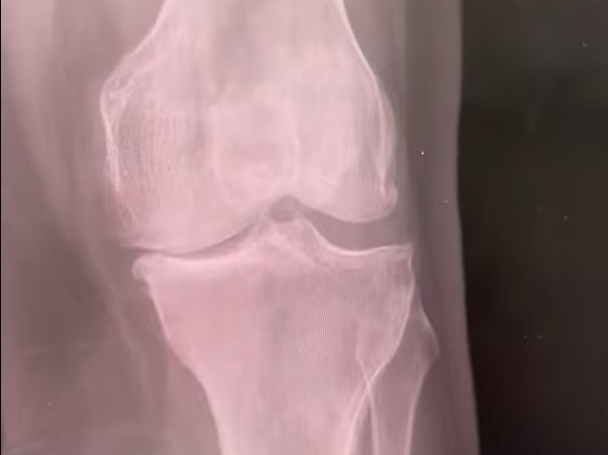
Bone on bone arthritis is a common term that describes end-stage arthritis. When arthritis reaches “end-stage,” there is no articular cartilage left in the joint space to cushion the bones, which causes them to grind together and get the name bone on bone arthritis.
Key Takeaways:
- Osteoarthritis is categorized by four stages: early, mild, moderate, and severe.
- End-stage arthritis does not always mean surgery or knee replacements.
- Joints with end-stage arthritis may still respond positively to conservative, non-surgical care like physical therapy, corticosteroid injections, and activity modification.
What are the Stages of Arthritis?
Since bone on bone arthritis is end-stage, that means that there are other stages of osteoarthritis as well. This is true! Osteoarthritis is often separated into 4 sections: early, mild, moderate, and severe (What are the 4 stages of osteoarthritis?, Geisinger).
1. Early Stage Osteoarthritis
This stage goes undetected often because the symptoms are negligible and physical changes in the joint can be undetectable on imaging tests. Stiffness after a joint has been resting in the same position for a while or soreness after physical activity may be indicators of early stage arthritis.
If arthritis is caught this early, a lot can be done to slow the progression of the condition. Lifestyle changes like an increase in activity, change in diet, or swap to low-impact physical activities like swimming, walking, or biking are all common.
2. Mild Stage Osteoarthritis
If arthritis enters the mild stage, the indicator symptoms will likely grow stronger and more frequent. In addition, visible changes in the joint may start showing up in imaging tests, such as bone spurs or cartilage damage. Consistent morning stiffness and pain or swelling during activity may occur and cause daily activities like opening jars or climbing stairs to become more difficult.
At this point, patients are still advised conservative treatment. Heat therapy, ice therapy, physical therapy, and supportive devices like sleeves or shoe inserts are all recommended. Over-the-counter pain medication may also be suggested, but you should talk to your doctor before taking anything consistently and for long periods of time.
3. Moderate Stage Osteoarthritis
By the third stage, symptoms are often persistent and affect daily activities with pain, stiffness, swelling, and fatigue. Stiffness may not always fade, and swelling can interfere with range of motion for several joints. Imaging tests should be able to pick up on these changes if symptoms grow to be this noticeable. You’ll likely see narrower cartilage space between bones in the joint, and your bone density may increase.
In addition to the non-invasive treatments like lifestyle changes, support devices, and physical therapy, your doctor may also prescribe corticosteroid or hyaluronic acid injections to help manage pain. Occupational therapy can address any changes in motion and help you adjust to new ways of moving as well.
4. Severe Stage Osteoarthritis
Stage four arthritis, also known as severe arthritis, end-stage arthritis, or bone-on-bone arthritis, often present a lot of issues for individuals. With extensively worn cartilage, prominent bone spurs, and extreme stiffness, swelling, or deformity in joints, it can greatly affect quality of life. If conservative treatments do not work, your doctor may suggest joint replacement surgery.
However, just because you see bone on bone arthritis on your imaging tests, it doesn’t automatically mean you should have surgery. If you are responding well to conservative treatments and are feeling good, surgery should still be a last-resort. Not every osteoarthritis case is the same, so not every treatment path is either!
If you or someone you love has suffers from osteoarthritis in the Louisville, Kentucky-area, board certified sports medicine physician Dr. Stacie Grossfeld at Orthopaedic Specialists PLLC can help. Orthopaedic Specialists PLLC is accepting new patients, and same day appointments are available. For additional information or to schedule an appointment, please contact Orthopaedic Specialists PLLC today at 502-212-2663.
Recent Comments