
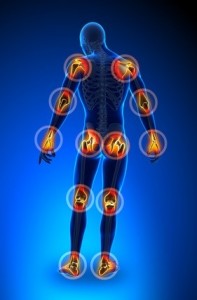
The ABCs of Orthopedics: Part 2

orthopedicsLast week, Orthopaedic Specialists published an article entitled “The ABCs of Orthopedics: Part 1” that listed common terms related to orthopedics. We covered letter A – M and are back this week to complete the list in Part 2.

We hope that by defining 26 common terms used in the study of orthopedics, we will help patients become familiar with verbiage and more relaxed. Dr. Stacie Grossfeld strives to have a relaxed and comfortable office environment at both of her Louisville, KY locations. Familiarity with terms used by office staff can often remove the edge of nerves induced by an office visit. So, without further ado, we present the second installment of the ABCs of Orthopedics as defined by Dr. Stacie Grossfeld.

The ABCs of Orthopedics: Part 2 (N-Z)

N is for Neuropathic Arthritis

More commonly known as “Charcot foot”, neuropathic arthritis is the degeneration of a weight bearing joint. Neuropathic arthritis often results in a bony obstruction and deformity. There are many reasons that one can develop neuropathic arthritis including: diabetes, leprosy, syphilis, a spinal cord injury, or peroneal muscular atrophy. Despite all the causes, diabetes is the leading cause in America and the foot is the most commonly affected part of the body.

O is for Osteoporosis

Bone health is extremely important for orthopedic surgeons and their patients, but unless you’ve recently suffered a bone injury then it’s safe to say you don’t really think about your bones. However, osteoporosis – the degradation of bones – affects over 50 million Americans with one in two being women and one in four being men.

P is for Pediatric Orthopedic Injuries

Unfortunately, pediatric orthopedic injuries are common and most often include: wrist sprains, femur fractures, trampoline injuries, winter sports injuries, and broken clavicles. While pediatric orthopedic injuries are scary for parents and children alike, they are easily treatable and often heal without any issues arising.

Q is for Quadricep Tendon Ruptures

Quadricep tendon ruptures are classified as a sport injury and most often occur in football players. Interesting studies done by the AJSM looked specifically at injuries in the NFL and specifically reviewed quadricep tendon ruptures. Both studies found that men who used steroids were much more likely to rupture their quadricep tendons. Diabetes, renal failure, RA, and infections could also predispose players to ruptures.

R is for Rotator Cuff Repair

The rotator cuff is a part of your shoulder that allows you to move your arm in a full circular motion without pain. However, often due to injury or overuse, it is crucial that the rotator cuff undergo repair. Rotator cuff repair is a common surgery performed by orthopedic specialists like Dr. Stacie Grossfeld and she specializes in rotator cuff repair performed arthroscopically.

S is for SLAP Tear

A SLAP tear is a term for a common shoulder injury that refers to a tear or rip in the labrum. The labrum is the tissue that surrounds and protects your shoulder socket and when it is torn, it is referred to as a SLAP tear which stands for Superior Labrum Anterior to Posterior. SLAP tears are common injuries among people who often lift heavy things or exercise a lot of repetitive overhead movements. However, SLAP tears can also occur when a person falls on their shoulder or when someone braces themselves during a car crash.

T is for Tendinitis

Tendinitis occurs when the tissue that connects bone to muscle inflames and affects the area in which it has swelled. There are different types of tendinitis that focus on different areas of the body. Most often they are named after the sport that is most commonly the cause of the inflammation. Examples include “tennis elbow” and “golfer’s elbow”; however, tendinitis can affect other areas of the body including the knees, shoulders, calves, and wrists.

U is for Ulnar Collateral Ligament Injury

An ulnar collateral ligament injury is similar to an ACL injury. However, UCLs affect elbows and are an injury that commonly affects the throwing athlete. Repetitive forces to the elbow from throwing tend to place abnormal stress on the joint and predispose athletes to acute injuries. However, like a torn ACL, a torn UCL can be fixed through reconstructive surgery.

V is for Voluntary Muscle

A voluntary muscle is a muscle that can be controlled by will and is attached to the skeleton. You can often identify a voluntary muscle because it is one that can be worked out through strength training exercises. Voluntary muscles include: quadriceps, biceps, pectorals, etc. In contrast to voluntary muscles, your body is also made of involuntary muscles that do not need to be controlled, but instead simply work on their own accord. A perfect example of a involuntary muscle is the heart which is often thought of as an organ, but is in fact a muscle.

W is for Weight Loss

Body weight affects health much more than most people are aware of. Being overweight, or obese, can have negative effects on your bones, muscles, joints, and organs. Weight loss is a great way to maintain your health. Often, for someone who is in need of a total knee replacement or other repair, weight loss is required to become an eligible surgical candidate. At Orthopaedic Specialists, we want our clients to live the best and healthiest lives they can which often starts with weight loss and exercise.

X is for Lower Extremity Avulsion Fractures

Lower extremity avulsion fractures are common injuries in pediatric and adolescent patients. This is because youths have growth plates that are still open and connected to tendons. When a traumatic event happens to areas of the body, often the plate suffers an avulsion fracture.

Y is for Youth Sport Specialization

What is considered as sport specialization? According to Dr. Brian Feeley, youth sport specialization is year-round, intensive training in a single sport. However, Dr. Feeley is also concerned that youth sport specialization at a young age increases the rates and risk of overuse injury and burnouts mentally. This can be especially true for youth athletes who start specializing in a single sport at a young age with a large group of peers. Some sports that fall into this category and should be monitored for overuse injuries include: cheerleading, gymnastics, football, and baseball.

Z is for Zika Virus

The Zika virus gained attention after the media started covering it after it started spreading at a fast rate. However, the Zika virus has been a concern since the 1950s in Central and South America. Due to the seriousness of the virus, it is important people are aware of symptoms. Symptoms include: headaches, rash, fever, joint and muscle pain. Conjunctivitis is also a main symptom of the Zika virus that can be a telltale sign if one is confused on what their symptoms mean. While there are no vaccinations against the virus, acetaminophen will help manage the pain until it passes. Once a person is infected with the virus, they are protected against future infections.

At Orthopaedic Specialists, we strive in making our patients and office visitors as comfortable as possible. We know that the medical field can be overwhelming and confusing. This is why we work so hard to achieve transparency between our office staff and patients. We hope these two installations of the ABCs of Orthopedics help to alleviate some confusion. 

Dr. Stacie Grossfeld at Orthopaedic Specialists in Louisville, KY has over 20 years of medical experience. If you are suffering from bone, joint, or muscle pain or have experienced a sports-related injury, contact her today. You can contact Orthopaedic Specialists by calling 502-212-2663 or filling out a contact form.

The ABCs of Orthopedics: Part 1

orthopedicsOrthopedics is often thought of a branch of medicine, but it is in fact a branch of surgery. Orthopedic surgeons, like Dr. Stacie Grossfeld, treat musculoskeletal trauma and other bone and joint health problems using both surgical and nonsurgical means. Often, orthopedic surgeons have a specialty focus whether it be spinal diseases, congenital disorders, or sports injuries. Dr. Stacie Grossfeld of Orthopaedic Specialists in Louisville, KY is an orthopedic surgeon with an American Board of Orthopedic Surgery Certification in sports medicine.  

However, regardless of an orthopedic surgeon’s approach or specialty, there is terminology that is important to every doctor studying orthopedics. This terminology is also important to patients who are undergoing orthopedic surgery or rehabilitation. The more familiar a patient is with terminology, the more comfortable they will be during their procedure. To familiarize patients of Dr.Stacie Grossfeld with orthopedic terminology, we’ve created our own version of the ABCs of Orthopedics below.

Important Terms in Orthopedics: Part 1 (A-M)

A is for Anterior Cruciate Ligament

The Anterior Cruciate Ligament is more commonly known as the ACL. The ACL is a ligament that runs on the inside of the knee joint and supports the shin. Together with the knee and shin, the ACL prevents the tibia from sliding in front of the thigh bone. ACL injuries are one of the most common sports injuries that affect athletes who participate in high school and college sports.

B is for Bone Mineral Density

Bone mineral density is a test done using an X-ray to measure the density and strength of your bones. Orthopedic doctors use bone mineral density tests to diagnose the strength of a patient’s bones. BMDTs can also measure the rate of bone loss and the likelihood of a patient developing osteoporosis.

C is for Chronic Traumatic Encephalopathy

Chronic Traumatic Encephalopathy is a brain condition that is a result of repetitive trauma to the head and brain. No testing is available to diagnose CTE, but it is often detected post mortem during an autopsy by an increased amount of TAU protein and widespread neurofibrillary tangles. CTE can cause neuropathic changes and development of neuropsychiatric conditions, changes in behavior, and cognitive deficits.

D is for Distal Bicep Tendon Rupture

A distal bicep tendon rupture most often occurs in men between the ages of 40 and 60 years old. This injury is usually a result of a sudden flexion of the elbow. This can occur when someone is lifting an object that is heavier than realized. Most often, a pop is heard at the moment of injury followed by swelling and discoloration in the area affected. There are three tests that can determine if you have suffered a Distal Bicep Tendon Rupture without the need of an MRI.

E is for External Iliac Artery Endofibrosis

External Iliac Artery Endofibrosis is often called the “arterial disease of cyclists”. This is because EIAE results from putting pressure on the external iliac which is part of the artery that is found in the hip area and splits to run down the legs. Cyclists often put pressure on that artery when bending forward while cycling. Overtime, the artery becomes irritated and hardens resulting in the endofibrosis.

F is for Femoroacetabular Impingement

The term Femoroacetabular Impingement is used to describe a pre-existing medical condition in which a person’s hip bones are not shaped as they should be. Because the hip bones are misshapen, they fit together incorrectly and rub which in turn damages the hip joint and often requires hip replacement surgery.

G is for Golfer’s Elbow

Medial Epicondylitis, more commonly known as Golfer’s Elbow, is an elbow injury that is a result of overuse and chronic inflammation of the medial collateral ligament. While swelling does not normally occur, people who are suffering from Golfer’s Elbow typically experience pain on the inside of the elbow.

H is for Hemiarthroplasty

Hemiarthroplasty refers to a surgical procedure in which one half of a joint is removed and replaced with a prosthetic. The hemiarthroplasty procedure is most commonly opted for in the case of a fractured hip which commonly occurs in the elderly population or a fractured shoulder which is a more common injury among younger patients, especially athletes.

I is for Injury Prevention

‘I’ is for injury prevention because strengthening muscles, bones, and ligaments is an important step towards a healthy lifestyle. It is understandable that injuries occur, but by adopting a health diet, safe warm-up and cool-down routine, and habit of wearing proper safety gear when playing a sport, you are much more likely to prevent an injury and continue to strengthen your health and wellness.

J is for Joint Pain

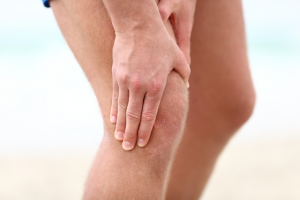
Joint pain is one of the most common reasons that people visit an orthopedic surgeon like Dr. Stacie Grossfeld. Joint pain can be a telltale sign of a larger problem be it: joint pain during pregnancy, early signs of osteoarthritis, or even Lyme disease. If you are experiencing pain in your knees, elbows, shoulders, or neck, visit an orthopedic specialist. A medical professional can help you get answers as well as pain relief.

K is for Knee Replacement Surgery

Knee replacement surgery is a common surgical procedure performed by orthopedic surgeons day after day. The medical term for a knee replacement surgery is a total knee arthroplasty. The occurrence of these surgeries has increased by 160% in the last 20 years. This is due in part to increased levels of athleticism among U.S. citizen. It is also due to higher numbers of obese citizens. If you are in need of knee replacement surgery, it is important you know what to do prior to surgery, what to expect, and how to recover.

L is for Labral Hip Injury

A labral hip injury is a tear in the ring of cartilage that lines the socket portion of a hip joint. Most common in rowers, golfers, ballet dancers, and hockey players, labral hip injuries are another overuse injury (similar to Golfer’s Elbow) that occur in athletes. One of the most telltale signs of a labral hip injury is consistent pain in the hip area after exercise. However, research is starting to suggest that labral hip injuries may be a side effect of a pre-existing condition like Femoroacetabular Impingement which was discussed earlier in this article.

M is for Meniscal Tear

A meniscal tear is similar to osteoarthritis in that it is also a knee injury. However, it differs in almost every other aspect including: pain, location of the injury, treatment, and recovery. If you are suffering from a meniscal tear, you will feel a sharp, sudden pain that may result in a popping or clicking sound when the knee bends and swelling to the area. The treatment plan for a meniscal tear requires surgery whereas osteoarthritis can be treated with medications.

We’ve come to the end of Part 1 of the ABCs of Orthopedics. Stay tuned for Part 2 which will be published in the next week. If you have further questions about these terms and what they mean, contact Orthopaedic Specialists today!

Dr. Stacie Grossfeld has over 20 years experience in the field of orthopedics. She specializes in both orthopedic surgery and sports medicine. If you are suffering from joint pain, muscle weakness, or a sports injury – contact her today by calling 502-212-2663 or filling out a contact form.

What is Sarcopenia, What Causes It, and How Can You Maintain Muscle Mass As You Age?

Every person gains muscle mass and strength from birth until middle age. However, after the age of 30, your muscles start to weaken and lose functionality. The cause of this muscle loss is age-related and while it can be treated, it cannot be prevented. Sarcopenia is when the loss of muscle mass becomes so severe that it results in a person becoming disabled. Physically inactive people are more susceptible to severe cases of sarcopenia than those who workout regularly. People who are physically inactive can lose anywhere from 3% to 5% of their muscle mass every 10 years after the age of 30. Those who are active regularly will still see muscle loss, but it will be at a much lower rate.

Muscle loss occurs naturally and in all humans, eventually. The medical issue arises when the sarcopenia severely affects the person in question. For some, sarcopenia starts to seriously affect musculature as early as 65-years-old and for others, it doesn’t set in until 80. The complex process of muscle degeneration has stumped scientists and doctors for years. It is still unknown why sarcopenia can affect sedentary and active people with the same severity. Scientists have found some factors that play a key role in the development of sarcopenia as aging occurs, including: a change in hormone levels, dying motor neurons, and altered requirements around protein. All of these factors, plus the fact that as people age they become more sedentary naturally, play a role.

The good news is that there are plenty of ways to maintain muscle mass while you age. As stated earlier, loss of muscle mass starts in middle age, but it is not severe enough that it causes any sort of disability-related issues. This is the best time to start working on maintaining muscle mass. How? Below we’ve collected a list of ways to help maintain muscle mass and prevent sarcopenia from setting in early.

5 Ways to Maintain Muscle Mass While Aging & Avoid Sarcopeniasarcopenia

1. Establish An Exercise Routine

As you age, the worst thing that you can do to stave off sarcopenia is adapt to your sedentary lifestyle and remain inactive. Exercise is the best way to intervene with muscle loss and prevent it from escalating at a fast rate. When establishing an exercise routine, it is important to focus on resistance exercise. Resistance exercises use weights and reps to improve strength in muscles and decrease frailty. If you can get into the gym or find time to exercise at home at least 3 days a week then your chances of losing muscles and developing sarcopenia will become much lower.

2. Increase Your Protein Intake

It is extremely important that as you age, you increase the amount of protein you consume. Protein is a food that is directly relating to repairing muscle fibers and building more muscle. In a study that was recently completed, it showed that over 10% of men and almost 25% of women over the age of 70 years old do not get the recommended amount of protein in their daily diet. By increasing your protein intake, you’re setting your body up to maintain musculature. There is a simple formula that can be used to determine the amount of protein you should be incorporating into your day-to-day diet. First take your weight and multiply by .45 to determine your body weight in kilograms. Then multiply that number by 1.2 to determine how many grams of protein you should be eating every day.

3. Balance Hormone Levels

Ensuring that your hormone levels are balanced is another important factor in maintaining muscle mass. This is especially true for women who are post-menopausal. Deficiencies in hormones among men and women have been directly linked to sarcopenia. There are many ways to monitor your hormone levels and plenty of ways – medically and naturally – to balance or supplement your hormones. Hormone maintenance starts with blood work that is done by your doctor to establish the existing levels within your body. You’ll then develop a plan on increasing or decreasing hormones until you reach a healthy balance that promotes muscle maintenance.

4. Introduce Vitamin D Into Your Diet

Multiple medical studies have shown that lower muscle strength is directly associated to low levels of vitamin D in a person’s blood. Lower levels of vitamin D result in instability and frequent falls in older adults. No matter race, ethnicity, or sex – low levels of vitamin D is the most common nutritional deficiency among the elderly and low levels have been associated with sarcopenia. By supplementing vitamin D into your diet, you can improve the function and mass of muscles and prevent sarcopenia.

5. Decrease Pro-Inflammatory Foods & Increase Anti-Inflammatory Foods

It is important for overall health to cut back on the pro-inflammatory foods you consume daily. The two biggest substances that you want to avoid if cutting pro-inflammatory foods out of your diet are high fructose corn syrup and trans fat. Processed foods are also guilty of containing omega-6 fatty acids and other substances, such as refined sugar and carbohydrates, that create inflammation. By decreasing pro-inflammatory substances in your diet and increasing anti-inflammatory foods, you’ll improve any onset sarcopenia and your overall health. It is recommended to adopt a Mediterranean diet if you are struggling with unhealthy eating habits. You can learn more about what foods and substances make up a Mediterranean diet here.

Muscle loss occurs naturally as we age, but that does not mean that we cannot maintain muscle mass to fight off sarcopenia. These five suggestions above are a great place to start working on maintaining muscle mass. If you are interested in getting more information about exercising and dieting to improve your overall health, visit the health section of the Orthopaedic Specialist website.

Dr. Stacie Grossfeld has over 10 years of experience as an orthopedic surgeon with a focus on sports medicine. Healthy muscle mass is crucial for athletes and adults, alike, and Dr. Grossfeld has extensive knowledge surrounding musculature and healthy ways to maintain muscle mass as we age. If you are suffering from limited mobility and strength due to a loss of muscle mass, contact Orthopaedic Specialists today at 502-212-2663.

South Oldham High School Athletic Trainer Kelly Dike Loves Helping Youth Athletes Reach Their Potential

athletic trainer kelly pikeIf every school had an athletic trainer as dedicated, knowledgeable and passionate about their work, there’s no doubt the number of youth sports injuries would significantly drop, while the overall athletic performance would noticeably increase. But Kelly Dike is one of a kind and it’s certain that very few school athletic programs have an athletic trainer as dedicated and experienced.
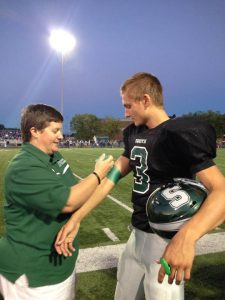
Born and raised in Wisconsin, Kelly has over 12 years of experience serving the South Oldham community.  She works as an employee for Baptist Sports Medicine with a full-time job at South Oldham High School.

Becoming a Certified Athletic Trainer

While many of us go through college having no idea what we really want to do for a long-term career, Kelly was fortunate. After suffering from several knee injuries in high school, she was sent to her school athletic trainer. She explains: “When I got exposed to the profession as a patient, I just realized, wow, this is really cool … this is something I’d love to do.”

kelly pike, athletic trainer at south oldham high schoolAfter graduating from high school, Kelly attended Winona State University in Minnesota, earning a B.S. in Exercise Science. And then she went on to Indiana State to complete her Master’s Degree.  The summer before starting graduate school, Kelly landed an internship at a Lexington Sports Medicine Clinic. “I really liked Kentucky,” she explains, “and I have some extended family in Oldham County so that was definitely a location that I was interested in…” But at graduation time, there weren’t any job openings in the area, so Kelly went home to live with her parents while looking for a job. Three weeks later she was offered a position in a small school near Lansing, Michigan and off she moved.
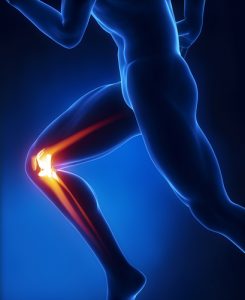
In the spring of 2005, Kelly saw a job opening serving South Oldham High School and she decided to apply. After a series of interviews, she was very excited to be offered the position, but would only accept under the condition that she could finish out the school year she’d already started in Michigan. She was dedicated to the athletes and the school system that she was serving and didn’t want to leave them during the middle of the school year.  This is just one small example of the type of character Kelly exudes.

A Day in the Life of a Nationally Certified and State Licensed High School Athletic Trainer

Kelly’s day varies significantly depending on the time of year but one thing that remains a constant – her work is almost always busy.  For example, during the summer when many educators enjoy some R&R, Kelly is immersed in preseason which kicks off July 15th. Preseason field hockey practice generally goes from 6 a.m. until 8 a.m. followed by soccer from 8 a.m. until 10 a.m. Cross country is often in the morning too, and then around 2 p.m. in the afternoon football starts.  (more…)

8 Facts from a Recent Study on ACL Reconstructions from the American Journal of Sports Medicine

ACL Reconstruction and Future OutcomesDr. Stacie Grossfeld is a double board-certified surgeon in the fields of orthopedic surgery and also sports medicine. Her combination of specialties means that she spends a lot of time working with injured athletes around Louisville, KY. One of the most common injuries among high school and college athletes are torn Anterior Cruciate Ligaments (ACLs). In order to offer the best medical care that she can, Dr. Grossfeld stays up-to-date on scientific findings surrounding ACL injuries and ACL reconstruction. One of the main resources that Dr. Grossfeld uses to do so is the American Journal of Sports Medicine (AJSM).
The AJSM is “an invaluable resource for the orthopedic sports medicine community” and is also a peer-reviewed scientific journal. The most common topics that the AJSM covers include:

  • ACL Injuries & Reconstructions
  • Degenerative Joint Disease
  • New Surgical Techniques
  • Rehabilitation & Physical Training
  • Subjects Specific to Sports
  • Treatment Techniques

Recently the AJSM released an article in which they discussed updates to 10 previously stated facts regarding ACL injuries, treatment, and reconstructions. These facts came from a study of 2,019 patients who underwent ACL reconstructions in California over a nine-year period from 2005 to 2014. The 2,019 patients were cared for by 200 different surgeons spread out among 46 different hospitals in California. Follow along to read more about what was learned during this study and how it will affect the future of orthopedic medicine.

8 Facts on ACL Reconstruction Learned from the Newest American Journal of Sports Medicine Study 

  1. 10.5% of Patients Required Subsequent Operative Procedures

  2. 4.3% of Patients Underwent a Second Revision Surgery

  3. Over Half of the Patients had a Concurrent Meniscal Injury

  4. Out of Those Patients, Only 26% Were Reparable

  5. Cartilage Injuries & Damage Were Present in 42% of Patients

  6. Deep Surgical Infections Occurred in 6% of Patients

  7. Deep Venous Thrombosis Occurred in .3% of Patients

  8. Pulmonary Embolism Occurred in .1% of Patients

The facts learned from the most recent study on ACL reconstruction by the American Journal of Sports Medicine are important for the future of orthopedics. ACL reconstruction surgery has many benefits including regaining mobility and being able to return to normal activity. However, as this study proves, there are also some risks that come with ACL reconstructions. Most risks associated with ACL reconstruction surround the activity level the patient is used to and wants to return to.

An ACL injury can be devastating to athletes and non-athletes alike. It is highly recommended if you’re an athlete who suffers a torn ACL, you do not return to the same level of sporting activity you were at prior to injury. Multiple studies have been done on re-injury rates in younger athletes and while the studies differ, the findings are similar. Overall, findings prove that once an athlete suffers an ACL tear, the risk of re-injury is extremely high.

On the other hand, if you are over the age of 60 and tear your ACL, reconstruction can be hugely beneficial. Years ago, the idea of performing an ACL reconstruction on a patient over 60 years of age was almost unheard of. However, in this day and age, researchers have found that elderly patients with no signs of knee arthritis benefit greatly from ACL reconstruction surgery.

Studies on orthopedic medicine surrounding ACL injuries and reconstructions are highly important to the medical community.

As studies continue to release data, orthopedic surgeons, like Dr. Grossfeld, can learn more on how to assess, diagnose, and treat patients of all ages and backgrounds who suffer ACL injuries. Studies, like this one, can also help orthopedic surgeons address the risks that come with surgery and discuss other options for rehabilitation with high-risk patients. As more studies surrounding ACL injuries and reconstructions, as well as other orthopedic medicine topics, are released, Dr. Grossfeld will also continue to evaluate that information here.

To learn more about the American Journal of Sports Medicine, visit their website here. If you are an athlete or non-athlete between the ages of 20 and 60 who has suffered a torn ACL and are in need of medical attention, contact Dr. Stacie Grossfeld today. Dr. Grossfeld has over 10 years of experience repairing torn ACLs and is constantly reading up on the latest findings regarding ACL injuries. Call 502-212-2663 to make an appointment today.

Back Pain During Pregnancy: How To Find Relief

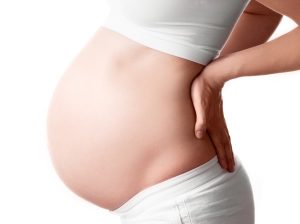
back pain reliefPregnancy is a miracle in and of itself; however, that doesn’t mean that the entire process is painless. For most women, the excitement of bringing a child into the world overpowers any discomfort. That is not the case for everyone though. Some women find themselves in quite a bit of pain while pregnant. One of the most common causes of pain in women who are pregnant is backache. Other causes of pain and discomfort include:

  • Acne
  • Constipation
  • Cramps
  • Heartburn
  • Swollen Joints
  • Migraines

Regardless, back pain tops this list as a common cause of pain among women that are pregnant. The back pain that most pregnant women experience is due to ligaments loosening up in preparation of giving birth. The posture strain that carrying a baby can cause only intensifies discomfort most women feel in their backs. More often than not, the back pain will be more intense and feel worse at night than during the day.

While back pain may plague many women, there are ways to find back pain relief during pregnancy. Some ways to find relief are simple and can be achieved quickly. Others require more preparation and the occasional office visit. Below we’ve outlined five ways to find back pain relief during pregnancy.

Five Ways to Find Back Pain Relief During Pregnancy

  • Prenatal Yoga

There is no denying that yoga has become a very popular form of exercise and meditation over the last 10 years. The movement-based practice improves strength and flexibility when practiced and is one of the top techniques that women turn to when looking for pain relief. Prenatal yoga has the power to improve posture and get the physical body ready to undergo the birthing process. It also can help women overcome emotional stress through breathing exercises. Prenatal yoga has become a top choice among pregnant women who are in need of back pain relief or a variety of other discomforts during pregnancy including: muscle soreness, joint pain, and problems with nerves.

  • Acupuncture

Another Asian technique for pain relief is acupuncture. While acupuncture is not medically proven to work there have been studies done that show a direct correlation between back pain relief during pregnancy and acupuncture. During an acupuncture session, very thin needles are inserted into pressure points that are connected to physical and emotional health systems. Those who believe in the practice of acupuncture believe that it removes blockages that are interfering with the body’s energy. Contact your doctor prior to undergoing acupuncture. It is important to consult your doctor and ensure that acupuncture is going to be right for you prior to undergoing a session.

  • Chiropractic Care

Most people consider chiropractors to only assist with joint paint, but they are very well versed in relieving back pain. Using some of the same techniques such as joint manipulation and soft tissue work, chiropractors can bring relief to back pain. Pregnant women who undergo chiropractic care often find relief from tight muscles, compressed nerves, and misaligned joints.

  • Prenatal Massage

If a pregnant woman experiencing back pain visits a certified prenatal massage therapist, they will often find back pain relief quickly. This is true of back pain that’s a result of clenched muscles in a certain area of the back irritating a nerve. In particular, the sciatic nerve often causes back pain in women and prenatal massages will help relieve that pain. The most common approach to prenatal massage is Swedish massage because it uses long strokes that are smooth and rarely aggravates joints.

  • Avoiding Strenuous Activity

One of the best ways to find relief for back pain is to avoid causing it in the first place. As a woman gets further and further along in her pregnancy, it is pertinent that she limits her level of activity. If a pregnant woman avoids strenuous activity then she is less likely to experience moderate to severe back pain. Avoiding heavy lifting and standing for prolonged periods of time will significantly help cut down on back pain. Women can also rest often with their legs elevated and this will often relieve back pain, as well.

These are just a few of the many ways that women can relieve back pain during pregnancy.

Some minor changes can also improve the severity of back pain during pregnancy. Minor changes include: practicing good posture, wearing low heeled shoes with arch support, and sleeping on a side instead of the back. However, some back pain – especially severe and sudden back pain – can be an indicator of a larger health issue and should be reviewed and treated by a doctor.

If you are pregnant, or know someone who is pregnant, and suffering from back pain – contact Dr. Stacie Grossfeld at Orthopaedic Specialists in Louisville, KY. Dr. Grossfeld has over 15 years of medical experience and can help relieve back pain and discomfort. Contact the office today at 502-212-2663 to discuss your pain and schedule an appointment.


Lyme Disease and the Potential for Lyme Arthritis

Catching Lyme disease alone is already an unwanted and complicated concern. To make matters worse, if left untreated for too long Lyme disease can lead to the development of lyme arthritis.It is especially important for doctors to be vigilant when it comes to examining patients who show symptoms of joint pain after being affected by Lyme disease.

According to the Johns Hopkins Arthritis Center, approximately 60% of improperly treated Lyme disease patients will develop some manner of joint pain. Most commonly the knee is the main affected area. Both small and large joints having the potential for swelling. Typically the frequency and severity of swelling and pain will decrease over time. However, approximately 10% of ill-treated patients will develop chronic arthritis.

Cause of Lyme Arthritis

Lyme Arthritis

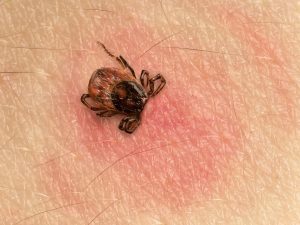
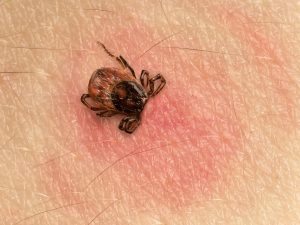
A tick bite can potentially lead to Lyme disease through transmission of the bacterium Borrelia burgdorferi. Being bitten by a tick does not guarantee Lyme disease, but if the tick is infected by the bacterium then the chances increase. If the bitten individual develops Lyme disease, they should immediately seek medical attention.

After the development of Lyme disease, there is potential for the bacterium to invade the joints. This leads to inflammation in the surrounding tissue and can eventually wear down the cartilage of the joints. It is not always obvious to the affected individual that they have Lyme disease, let alone Lyme arthritis. This makes it especially important for medical practitioners to be attentive to patients with joint problems in areas where ticks are common.

Prevention and Treatment

Lyme arthritis

The symptoms of Lyme arthritis often do not appear until the later stages of Lyme disease. Within the first few weeks of being bitten, patients feel flu-like symptoms, stiff neck, headaches, among other symptoms. But those who develop Lyme arthritis don’t usually notice joint pain for months or even a year after being bitten.To help avoid the potential for letting Lyme disease progress into Lyme arthritis look for the following symptoms if you’ve been bitten by a tick:

  • Rash near the insect bite
  • Aching, redness or swelling in one or more joints especially the knee
  • Fever
  • Lethargy
  • Headache

While these symptoms are helpful indicators, sometimes they never develop or go unnoticed by the affected individuals. One of the best ways to prevent Lyme arthritis is to be aware of the potential symptoms. Once you are familiar with the possible effects, then you will better be able to inform your doctor. Lyme arthritis most commonly develops because it goes untreated for too long. If you and your doctor catch the symptoms early on, then the chances decrease.

If you have been bitten by a tick recently, or think you might be developing Lyme disease it is essential that you contact your medical professional right away.Those who live in the Kentucky area, and want to know more about the treatment available for Lyme arthritis, should give Louisville Orthopaedic Specialists a call today at (502) 212-2663. To learn more about Lyme disease and its symptoms in women, read our previous blog post here.

15 Habits of Healthy People

15 Habits of Healthy PeopleWhile eating nutritious foods and working out are great ways to improve your health, there is so much more to consider. Health and wellness requires a holistic approach that not only focuses on nutrition and fitness, but other areas as well. In order to achieve optimal health, it may be worth your while to take a look at the 15 habits of healthy people.
  1. Eat Well: Eating fruits and veggies is important, but don’t forget to add in other food groups. Healthy people are those that add in new food groups and make good choices in the kitchen and at restaurants.
  2. Exercise Often: Healthy people are constantly on the move and getting in their workout whenever possible. These people make time for exercise instead of simply fitting it in whenever convenient.
  3. Drink Lots of Water: Healthy people are constantly gulping down water throughout the day. Instead of drinking soda and coffee throughout the day, try getting your  recommended 8 glasses of water daily.
  4. Sleep: This may sound easy, but for some this is easier said than done. Healthy people are always well rested and stick to a solid sleep schedule. This will help you succeed throughout the day and stay focused.
  5. Smile: Healthy people tend to be happy people. Try smiling more and letting others see your radiant affection.
  6. Practice Good Hygiene: To be clean is another way to be happy. Always practice good hygiene and don’t forget to floss!
  7. Try New Things: Healthy people aren’t afraid to try new things from making a new recipe, to trying snowboarding for the first time. Be spontaneous and adventurous in your healthy lifestyle.
  8. Friends: Surround yourself with happy, positive people that care about you. These friends will help you stay focused on your healthy mission in life.
  9. Practice Portion Control: Healthy people allow themselves to have a treat now and then. The reason they are able to enjoy themselves is because they practice portion control and healthy serving sizes.
  10. Avoid Addictive Habits: Smoking and binge drinking keep individuals from living a healthy lifestyle. Those that lead a healthy, balanced lifestyle refrain from addictive behaviors like smoking and other harmful activities.
  11. Set Goals: Healthy people are constantly striving for improvement. This new year don’t forget to set goals and reward yourself for these accomplishments
  12. Schedule Routine Appointments: To maintain a healthy lifestyle, you should schedule regular appointments with your physician to monitor different areas of your health. You should also obtain preventative health screenings during your visits.  
  13. Balance: In order to be healthy, you have to address every aspect of your body and mind. Juggling, prioritizing and scheduling can get stressful at times. Limit your stress by learning how to balance your life.
  14. Quiet Time: Give yourself some time everyday to reflect, think and schedule all of your priorities and tasks. Take time for yourself each and everyday in order to reduce stress and maintain your balance.
  15. Be Flexible: It is important to realize that everyone is healthy in their own way. Don’t let the stress and structure of trying to maintain the perfect body or mind keep you from doing the things you love. Try and be flexible and understanding toward conflict and trials.

Healthy, happy people are those who are able to bring a positive, disciplined attitude into the many areas of daily living. A healthy lifestyle involves a good attitude, conscious effort, determination and work hard. Try adding some healthy habits to your routine and read more of our health and nutrition blogs here. Your body and mind will thank you!

Are There Benefits in Undergoing ACL Reconstruction After 60?

ACL reconstructionACL stands for Anterior Cruciate Ligament and this part of the human body runs between the femur and the tibia. It is one of a pair of cruciate ligaments in the human knee. The other is the Posterior Cruciate Ligament which is located deeper within the knee joint. When an ACL is injured, or torn, it is due to the ligament being overstretched. Most often, ACL injuries occur as a result of a sudden stop or twisting movement. The most common form of repair for a torn ACL is a complete ACL reconstruction. More often than not, the reconstruction is done by autograft and arthroscopically. Despite the repair tissue coming from the same body in which the injury has occurred and the invasiveness of the surgery being minimal, recovery time is set at anywhere between one to two years before a patient can return to normal sports activity.
When Dr. Stacie Grossfeld was training, the idea of performing an ACL reconstruction on a patient over the age of 60 was unheard of. In the past, ACL reconstructions were only offered to patients who were much younger. This was in part due to the extensive recovery time. Over the years, Dr. Grossfeld has found that patients in their 60s who have remained active and show no signs of knee arthritis do benefit from ACL reconstruction. This is especially true in regards to patients that live very active lifestyles. The benefits of undergoing ACL reconstruction are evident when observing patients who are over the age of 60 and have undergone the surgery.

In March of 2017, an article was published in the American Journal of Sports Medicine by authors Dr. Toanen, et al. This group of researchers conducted a study and observed patients who had ACL injuries. All patients were over the age of 60 and athletic with no signs of knee arthritis. These patients underwent ACL reconstruction and their recovery was observed by the group of researchers responsible for the article. What they found was that these patients benefited greatly from the reconstructive surgery. Not only were they able to return to their normal level of activities including: twisting, turning, jumping, and running; they also had no increased incidence of arthritis two years post reconstruction.

Based on these finding, the ground of researchers led by Dr. Toanen concluded that regardless of your age, ACL reconstruction is the best choice for repairing a torn ACL. Age is a factor that should in no way be considered when discussing options for reparation of a torn ACL. Other medical research papers and articles have been published in the past that reinforce Dr. Toanen’s team’s findings.

In December of 2014 a study was done on the long-term outcomes after ACL reconstruction in patients 60 years and older. This team of doctors, led by Dr. Champ L Baker, found that all 13 patients within their study who underwent ACL reconstruction regained their full range of motion and made complete returns to their sports or exercise of choice. This led to the conclusion that “patients aged 60 years or older have good to excellent outcomes with ACL reconstruction and should not be excluded from ACL reconstruction opportunities based on age alone.”

So, Are There Benefits in Undergoing ACL Reconstruction After 60?

In conclusion, yes, there are benefits that come with undergoing ACL reconstruction after the age of 60. Benefits include complete return of mobility, the ability to return to daily sports activity, and the lack of increase in incidence of arthritis. Furthermore, age should not be considered when deciding if a patient is eligible for an ACL reconstruction. If a patient is active, healthy, shows no signs of arthritis in the afflicted knee, and is willing to undergo ACL reconstruction, they should be considered a candidate for the surgery.

If you are 60 years old or over and an active adult who has suffered from a tear in an ACL, contact Dr. Stacie Grossfeld at Orthopaedic Specialists, PLLC in Louisville, KY. Dr. Grossfeld has been routinely performing ACL reconstruction surgeries for over 10 years. She is constantly staying up-to-date on the latest research findings surrounding ACL reconstruction. If you still have questions about ACL reconstruction for patients over the age of 60, call 502-212-2663 and make an appointment today.

Lyme Disease Symptoms in Women

lyme diseaseLyme disease is a bacterial infection that is transmitted by Ixodes ticks, more commonly known as deer ticks. These nymphal ticks are about the size of poppy seeds, yet they carry the dangerous Lyme disease in their bites. Ticks are thought of as insects, but they are actually arachnids that are related to scorpions and spiders. Deer ticks are found all over the United States and in more than 60 other countries. These ticks attach to one’s skin through questing and are able to feed for several days on one host. If left undisturbed, they are more likely to transmit Lyme disease and other pathogens into one’s bloodstream.

The Center for Disease Control and Prevention has found that nearly 300,000 people are diagnosed with Lyme disease every year. It’s hard to believe, but that number is 1.5 times the amount of women diagnosed with breast cancer each year. And, that number is actually slightly higher, because many people are misdiagnosed with other similar diseases.

Lyme disease has been called, “The Great Imitator,” because many of the symptoms are confused with conditions like fibromyalgia, multiple sclerosis and many other more common and easier to diagnose diseases. Lyme disease can become very serious if it is not diagnosed early and treated properly. Chronic lyme disease begins to affect organs and cause brain damage, heart problems as well as cognitive issues.  It is also very important to recognize symptoms of Lyme disease in small children or women that are pregnant as pregnant women have the ability to pass Lyme disease onto their child. Although it is not common, sometimes this transmission results in a stillbirth.

Because this disease is so similar to other types of conditions, it is important to get all of the facts about symptoms. If you have been outside recently and begin to feel any of these symptoms, it is important that you seek medical attention. You can also use the symptom checker worksheet lymedisease.org has createdto help with your diagnosis.

5 Symptoms of Lyme Disease

  1. Fever

    Most of the time Lyme disease begins with flu-like symptoms such as fever, chills, sweats, muscle aches, and nausea. If you begin to run a fever after being in wooded areas or after camping, you will want to take over the counter medication, like Tylenol, to lower your fever and be sure to drink plenty of water. If your symptoms do not go away within 72 hours, you will want to assess yourself for the following symptoms as they may be related to Lyme disease.

  2. Rash

    Most patients who are infected by this disease develop a rash in the shape of a bull’s eye. This rash usually occurs on areas of the body that were not clothed while being outdoors. You may notice an asymmetrical rash on your arms or legs, but a recent study looked at the connection between rashes and Lyme disease and found that about 27-80 percent of people develop a rash when diagnosed with Lyme disease, so this symptom may not apply to every case. If you are suffering from a fever, but cannot find a rash then look for the following symptoms.

  3. Joint Pain

    Lyme disease tends to cause joint pain and muscle weakness in the knees, elbows, wrists, and shoulders. If you begin to notice a new development of pain in any of your joints, you will want to apply ice to the area and contact your physician.

  4. Fatigue

    Many people are often misdiagnosed when it comes to Lyme disease because of the reported fatigue. This disease is capable of affecting any organ of the body. But because it can be widespread, symptoms of fatigue are often misdiagnosed as chronic fatigue syndrome and sometimes depression. If you are suffering from a fever, fatigue and a third symptom on this list, get in contact with a medical professional immediately.

  5. Bell’s Palsy

    As Lyme disease begins to affect other areas of the body it has the potential to affect one’s facial nerves. Bell’s Palsy is a paralysis or weakness in facial muscles on one side of the face. This may cause one’s face to droop and holds the rise of potentially losing sense of taste for anywhere from a few days to weeks.

All of these symptoms are specific to Lyme disease as a whole. When the symptoms come in stages, it is sometimes difficult for physicians to diagnose it. If you experience any symptoms, it is important to monitor your health and seek medical guidance from a physician. If you are pregnant woman and feel that you have one or more of these symptoms of Lyme disease seek help as soon as possible before the disease is passed to the fetus.

Prevention is key in protecting yourself from Lyme disease. Next time you are doing activities outdoors make sure that you are clothed properly and always check the surface of your skin once you return inside following a shower. It is always best to treat early symptoms of Lyme disease with importance. If you suspect you could have this disease, do not hesitate to speak with your physician. If you have any more questions about Lyme disease or ways to relieve joint pain, call Dr. Grossfeld’s office today at 502-212-2663.