Important Facts About Sports Related Concussions in Female Athletes

There are over 250,000 sports related concussions per year among student athletes. However, the female athlete has been shown to sustain 50% more concussions than the male athlete. The differences are most commonly seen in sports such as basketball, soccer, and volleyball, as well as lacrosse.

Additionally, some studies have documented that female athletes have more severe concussions then their male counterparts. This is often coupled with worse symptoms, including greater cognitive functional deficits as well as a longer recovery period.

Why do females have a higher risk of sustaining a concussion? There have been many medical theories proposed to answer that question…

  1. Females have slender necks and smaller heads compared to males. Biomechanical studies demonstrate that females have 50% more head exhilaration during head trauma than males. This  translates into a higher likelihood of injury to the brain during a traumatic event.
  2. The female athlete has a relatively weak neck musculature compared to males. This may lead to less protection of the head during a major impact.
  3. Hormonal differences could also play a role as estrogen has been shown to be more detrimental to a brain after an injury.
  4. Additionally, there is a theory that the male athlete tends to report concussions less than a female does. There have been reports that gender stereotypes reinforce this behavior as males may try to provide a tougher persona. However, in my experience taking care of the University of Louisville women’s soccer and lacrosse team, I would disagree with this theory.

Dr. Grossfeld has over 25 years of experience in orthopedic medicine and is a double board-certified orthopedic surgeon in sports medicine. To get more information about concussions and other sports related injuries, contact Dr. Stacie Grossfeld today by calling 502-212-2663 to make an appointment. Orthopaedic Specialists has two convenient locations in Louisville, KY and is currently accepting new patients.

Are You a Candidate for Subchondroplasty?

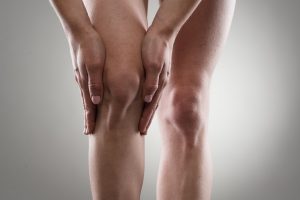
When your bones experience continuous wear and tear, they can develop stress fractures or bone marrow edema (also referred to as bone bruises or chronic bone marrow lesions). This is quite common in older adults; specifically women and can cause pain as well as physical limitations.

A new joint preserving procedure called Subchondroplasty, provided by a board certified orthopedic surgeon like Dr. Stacie Grossfeld, may be able to relieve a patient’s pain and restore joint function. Subchondroplasty entails an injection of a hard-setting bone substitute that mimics the chemical structure of an actual human bone. Once injected into the bone, it works to seal up a fracture and over time can even be resorbed and replaced with new bone. Subchondroplasty is a minimally invasive treatment and oftentimes spurs bone growth resulting in a healed bone and reduced pain in the leg, knee or hip.

Are you a Candidate for Subchondroplasty?

If you have suffered from chronic and severe bone pain for at least 3 months and have trouble walking or standing, you could benefit from Subchondroplasty. If other injections, anti-inflammatory or pain medications, knee braces, crutches, physical therapy, and or rest have not worked, Subchondroplasty could be the right treatment. Additionally, patients with cartilage loss and bone deterioration associated with osteoarthritis, as well as those diagnosed with arthritis or osteoporosis are usually good candidates for the procedure.

An MRI is first required to determine if you have bone marrow edema, as spots can be seen in the bone that represent swelling or bone damage. A relatively healthy body weight and or lifestyle changes are suggested for potential patients receiving this treatment in order to prevent reoccurring problems that could require further treatments.

Subchondroplasty is a popular choice for patients who enjoy living an active life and want to avoid a bone replacement. It is an outpatient procedure, usually lasting 20 minutes. While it depends on the patient, most can bear weight immediately after treatment is complete. 

If you or someone you know is experiencing pain due to insufficiency fractures or bone marrow edema, contact Dr. Stacie Grossfeld at Orthopaedic Specialists. Dr. Grossfeld has been performing subchondroplasty for about two years and has had excellent results. For more information and to schedule an appointment with Louisville orthopedic Dr. Stacie Grossfeld, call 502-212-2663. You can also visit either of the Orthopaedic Specialists’ locations in Louisville, KY to get more information and schedule an appointment today.

Pitting Edema VS Non-Pitting Edema: What’s the Difference?

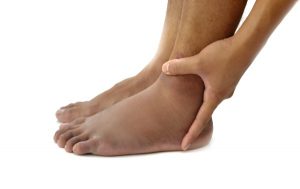
pitting edemaEdema is a medical terms that refers to swelling caused by the body holding onto fluid. Edema, which was once called dropsy, usually occurs in a person’s feet, ankles, or legs. There are some occasions where edema can also occur in a person’s hands, face, or even affect additional body parts. There are many different kinds of edema and the causes can vary from diagnosis to diagnosis. Edema is often a symptom of another, more serious, condition and should be treated by a medical doctor. Two common forms of edema are pitting edema and non-pitting edema. These are the most common classifications of edema and are easily identifiable.

The biggest difference between pitting and non-pitting edema is the way the two conditions respond to pressure. Pitting edema responds to pressure, be it from a finger or a hand, while pitting edema does not. If you press on your skin with your finger and it leaves an indentation, you could be suffering from pitting edema. Non-pitting edema, on the other hand, does not respond to pressure or cause any sort of indentation. Follow along to learn more about pitting and non-pitting edema including causes, treatments, and more information.

Pitting Edema

Pitting edema often affects areas of the lower body including the feet, legs, and ankles, but can occur anywhere on the body. This condition is often a local problem that involves the veins, but can also be a problem within one of your body’s systems of organs. Pitting edema can be a result of problems with the liver, kidneys, heart, or even the lymphatic system. Regardless of where the pitting edema is occurring, it is a sign that your body is holding onto fluid or fluid is not being carried away as it should. If these symptoms apply to you, you should seek medical help immediately.

While pitting edema can usually be associated to a problem with the liver, kidneys, heart, or lymphatic system, there are many other causes that can result in pitting edema. Some of those various issues include:

  • Lung Diseases
  • Obesity
  • Pregnancy
  • Medications
  • Low Levels of Protein
  • Heart Failure

Some of these medical conditions are not cause for concern. Pitting edema in pregnancy is more common than not; however, it can still be a cause for concern and should be mentioned to your doctor. Certain medications that result in pitting edema should be reassessed by the prescribing doctor. Risk factors that are associated with pitting edema include: high sodium intake, emphysema, immobility, sedentary lifestyle, and more.

Diagnosis for pitting edema is somewhat difficult since a list of telltale signs for diagnosing this medical issue does not exist. However, through a set of tests and an extensive evaluation that may include a chest x-ray, blood work, and a heart echo can help a physician identify pitting edema. If you are diagnosed with pitting edema, there are a wide variety of treatments available. Some treatments can be applied at home while others must be performed by a practicing physician.

Non-Pitting Edema

Non-pitting edema is similar to pitting edema save for the indentation (or “pit”) that remains visible after pressure is applied in a case of pitting edema. Unlike pitting edema, non-pitting edema is much easier to diagnose because it is caused by three very specific conditions: lymphedema, myxedema, and lipedema.

Lymphedema

When it is extremely difficult for lymph fluid to drain as it should, it is often due to a blockage. This condition is called lymphedema. Some people are born with this condition while others develop it. Those who develop lymphedema often develop it after surgery or as a secondary condition to a bigger issue. When this lymph fluid cannot drain, it gathers and swelling results.

Myxedema

Another condition that can be linked to pitting edema is myxedema. Myxedema can be identified by severe swelling in the legs and feet, but swollen eyelids and lips are also symptoms. Tongue swelling is another symptom of myxedema though it is not as common as the swelling observed in other areas of the body. Most people who suffer from myxedema suffer from hypothyroidism – both severe and advanced cases.

Lipedema

Lipedema is another condition that results in non-pitting edema. When fat cells grow at an increased rate, they tend to retain more fluid. This results in a painful case of non-pitting edema that occurs in women, almost exclusively.

These three causes of non-pitting edema can be diagnosed by unusual swelling. Once a doctor identifies unusual swelling, they will review medical records and do a wide variety of tests to diagnose. Among the three medical conditions, lipedema is the hardest to diagnose and requires a physical examination. During the exam, doctors will look for: tender skin, excessive weight, and bruising. Once non-pitting edema is diagnosed, depending on the condition associated with it, the treatment plans vary and are determined by a trained physician.

Dr. Stacie Grossfeld is a trained orthopedic surgeon who is double board-certified in orthopedic surgery and sports medicine. If you feel that you are suffering from abnormal swelling, or have symptoms that align with pitting edema, reach out to Dr. Stacie Grossfeld today. You can contact her by using the contact form on her website or by calling 502-212-2663 today!


6 Health Benefits of Swimming According to an Orthopedic Surgeon

health benefits of swimmingSwimming is a wonderful way to enjoy the summer time. Whether you’re going to the beach, lake, or pool — swimming is a fun way to exercise and keep cool during the hot months. However, swimming doesn’t have to be an activity you only partake in when the sun is out and the weather is warm. Most gym memberships feature swimming pool perks and the local YMCAs in Louisville, KY have indoor pools which make it possible to swim year-round.
Swimming has been scientifically proven to offer a wide variety of health benefits to those who participate in the sport. Your body can greatly improve in a variety of ways when you add swimming to your exercise regimen. And unlike some other sports that have equally weighted benefits and downfalls, the health benefits of swimming greatly outweigh any downfalls making it a great sport for people of all ages, sizes, and shapes to pick up. Dr. Stacie Grossfeld, a double board-certified orthopedic surgeon with a specialty in sports medicine, explains the top 6 health benefits of swimming.

6 Health Benefits of Swimming

1. Increases Your Heart Rate

Swimming is a great way to increase your heart rate without having to participate in high-impact exercises like running. Running, and other high-intensity cardio exercises, can be very hard on your joints including your knees and ankles. Swimming relieves all the pressure off of your joints and can raise your heart rate as high, or even higher, than traditional cardio exercises can.

2. Builds Endurance

Swimming is a great way to build endurance. By swimming, your body goes through two different stages of energy use – an aerobic phase and an anaerobic phase. During the aerobic stage, your body is getting enough oxygen to power itself and provide your muscles with energy whereas during the anaerobic stage, your body is not getting enough oxygen. The switch between aerobic and anaerobic stages that occur during swimming helps to build up endurance and eventually, your body will spend longer time in the aerobic phase than in the anaerobic phase and you will be able to fight off the tired feeling that often causes us to stop exercising.

3. Weight Maintenance

All cardio is great for weight loss and weight maintenance including swimming. Depending on the goals around your weight, swimming is a perfectly healthy way to shed pounds or keep them off once they are gone. In addition to being an enjoyable way to maintain your weight, swimming also improves heart and lung health. By improving the health of your heart and lungs, you can explore more exercise activities and continue to build endurance through cardio.

4. Strengthens and Tones Muscle

Swimming is a cardiovascular exercise. It raises your heart rate and gets you sweating, but the water also provides resistance which allows you to build strengthen, and tone your muscles. You can target different groups of muscles by using different swimming styles such as the front stroke, backstroke, breaststroke, butterfly stroke, and many others. Toning muscle and strengthening your body are two more health benefits of swimming that are undeniable.

5. Provides Low-Impact Therapy

Low-impact therapy is an important part of any exercise routine. Most cardio exercises are high-impact. For example, when running or jumping, at least one foot is constantly bearing the entire weight of your body. This can be detrimental to your bones and joints which is why it is recommended to substitute some high-impact cardio with low-impact cardio such as swimming. When you swim, you are constantly staying in motion to stay afloat and you are rarely coming in contact with solid surfaces. Additionally, the buoyancy of the water helps to prevent any joint damage from occurring.

6. Stress Relief

Swimming is not only a great exercise. It is also a great stress reliever. When you’re swimming, you must keep your mind focused on one thing and one thing only — swimming. Most exercises are stress relievers in one way or another, but with swimming, your thoughts must be totally focused on moving your arms and legs to propel yourself through the water. In a study done by Speedo, they found that 74% of people surveyed said that swimming helps to relieve stress and tension after a long and busy day. In addition to relieving stress, the surveyed party also agreed that after swimming, they feel better about themselves both mentally and physically.

If you are searching for a new cardiovascular exercise or are simply looking for a way to add more physical activity into your daily routine, Dr. Stacie Grossfeld of Orthopaedic Specialists recommends swimming. The health benefits of swimming are wide and far for both mental and physical health including heart, lung, and bone health.

To find a YMCA in Louisville, KY that has a swimming pool, visit their website and check out their map. In addition to the YMCA, Louisville, KY has public pools that are available in the summer and private gyms which feature indoor pools.

Dr. Stacie Grossfeld is a double board-certified orthopedic surgeon with a specialty in sports medicine who practices in Louisville, KY. Her practice, Orthopaedic Specialists, has two locations and she is currently accepting new patients. Are you interested in learning more about ways to incorporate exercise into your daily routine, are looking for guidance on how to eat healthy and lose weight, or are experiencing pain in your joints or bones? Contact Dr. Grossfeld today at 502-212-2663.

10 Important Things to Know Before Getting Subchondroplasty

subchondroplastyWhat is Subchondroplasty?

Subchondroplasty (or SCP) is a method where a doctor injects a hard-setting bone substitute into the bone in order to seal up a fracture. When the leg bone, tibia, or knee becomes overstressed with wear and tear, they develop defects such as insufficiency fractures or bone marrow edema (also known as “bone bruises”). These insufficiency fractures are very painful — in fact, much of the pain associated with arthritis in the knee actually results from the fracture, not “bone on bone” changes.

Subchondroplasty is minimally invasive and uses X-ray imaging to monitor the body’s interior in real-time. Using this imaging technique, orthopedic surgeons can find insufficiency fractures in the bone and fill them with a bone graft substitute that spurs growth of actual bone over it. The result is a healed bone and reduced pain in the leg and knee.

10 Things to Know About Subchondroplasty

  1. An orthopedic surgeon may prescribe medications and rest before opting for this minimally invasive procedure.
  2. Subchondroplasty is not recommended for patients with BMI greater than 40 or for people with severe malalignment of the knee joint.
  3. Being overweight and poor diet increase the likelihood of developing bone marrow edema. If your orthopedic surgeon suggests this procedure, they will also recommend lifestyle changes for weight loss to prevent further necessary treatment.
  4. The hard-setting bone substitute is made of an engineered calcium phosphate mineral compound that mimics chemical structure of human bone. Over time, the compound is resorbed and replaced with new bone.
  5. Subchondroplasty is an outpatient procedure and only takes about 20 minutes to complete.
  6. Patients are able to bear weight immediately after their procedure. Crutches may be recommended for 1-2 weeks after the surgery to reduce strain on the healing joint.
  7. Post-op pain should start to decrease within 24 to 36 hours after subchondroplasty.
  8. The subchondroplasty procedure is relatively novel and was first introduced in late 2010.
  9. To regain strength and mobility in the knee, your orthopedic surgeon will recommend physical therapy after the subchondroplasty procedure.
  10. Future knee replacement is still an option if this procedure is not effective.

If you or someone you know is experiencing leg pain due to insufficiency fractures or bone marrow edema, contact Dr. Stacie Grossfeld at Orthopaedic Specialists. Dr. Grossfeld has about two years of experiencing performing the subchondroplasty procedure and while doing so she has seen excellent results.

For more information and to schedule an appointment with Louisville orthopedic surgeon Dr. Grossfeld, call 502-212-2663. You can also visit either of the Orthopaedic Specialists’ locations in Louisville, KY to get more information and schedule an appointment today. 

Inspiring Personal Trainer & Weight Lifter Lauren Russell

Those who have met Lauren Russell would describe her as the epitome of both dietary and physical health with the physique of a Spartan statue. The 29 year old mom of four, lifts, is active within the CrossFit community, and is also a personal trainer; all of which she has been doing for over 10 years now.

Passionate about helping others achieve their fitness goals, she both created and teaches a Cardio Fit class at the YMCA in Norton Commons, where she met Dr. Stacie Grossfeld. The class which meets 6 times a week, is a mix of a high intensity workout with lifting incorporated. Lauren who has been teaching this class for four years now, prides herself in her student’s loyalty. “No one comes to class if there’s a sub. We’re like our own little family and usually arrive 30 minutes before class just to talk.”

Despite her friendly and personable demeanor, Lauren doesn’t mess around when it comes to her class or her clients. “If someone comes in whining that this is their first time, or to go easy on them, I just say, ‘sit down! Listen! Let’s get to it!’”

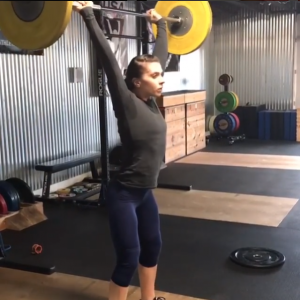
Lauren’s no nonsense attitude is equally applied to her Olympic lifting competitions. Her best snatch (the raising of a weight from the floor to above the head in one quick movement) is a 63, and her best clean and jerk (the raising of a weight over the head and then to shoulder level) is a 91.She is currently fully invested in going to nationals for weightlifting and is taking the summer off to train herself before returning to competition. Though Lauren trains under her coach Benjamin Carter, who runs the CrossFit gym Bluegrass Barbell, she keeps close track of her dietary and physical health at home as well.

A Day in the Life

A creature of habit and schedule, she even makes it a point to take advantage of hotel gyms while traveling with her husband for work. Rest days, she says, make her tired. “It’s as if I need the workout to keep my energy up.” When in town, she wakes up every morning around 5 am to drink her coffee, and then work out with her husband for an hour or two. The pair converted their garage into a full scale gym to better utilize the early morning hours as their bonding time.

Throughout the day, Lauren uses the RP Strength program online to track her fats, carbs, and proteins down to every detail and recommends the app for everyone from Olympic athletes to mom’s just like herself. Though she eats the same thing every day, with very few exceptions, she loves the type of training she does and isn’t bothered by a routine diet. “I actually miss it when I don’t eat my usual meal.”

Daily meals include a protein and carb combo as she works out in the morning, and a protein pancake with bananas afterwards. For lunch, its egg whites, Brussel sprouts, a sweet potato, 1 teaspoon of peanut butter, 2 pieces of bread, and a 2-5oz turkey breast. Dinner consists of spaghetti squash, homemade pasta sauce, and handmade sausage from Whole Foods. Her occasional indulgence (usually on date night) is red wine; though she often rewards herself with a black, cold brew coffee from Starbucks.

Female Empowerment

A tattoo in script that runs down Lauren’s thigh reads, “Strong and Beautiful”; a gift for herself after completing her very first pull up. It’s these exact words that exemplify why she lifts. “All women should do something that makes them feel strong,” she says, “I work out because of the way it makes me feel: strong and powerful. There’s a major girl power element to it.” Instead of tearing each other down, she advocates for women to be more supportive of each other in their strength and in general. This is why when a teammate of hers beats her in competition, she doesn’t let her athleticism over power her; instead congratulating them and high-fiving them in support.

On top of her rigorous athletic career and training program, Lauren is a busy mom of four and running for Vice President of the Parent Teacher Association at one of her daughter’s schools. Admittedly, she doesn’t like to slow down, and enjoys staying busy with her kids in tow.

Getting the Kids Involved

Lauren encourages younger generations to stay active as well. “You’re never too young to get started. Just make sure you get a professional who knows how to train your specific age to avoid injury.” She supports her daughters Ezra (age 9) and Lucy (age 3) who also share her love of nutritional health and athleticism. In fact, Ezra just finished competing in her 2nd weight lifting competition, and Lucy lifts a small 1.5-2lb weight. While they also watch what they eat, Lauren lets her kids be kids; never making them stand out of a pizza party, and even baking cupcakes for class parties. And when she does indulge in a treat, she makes sure to do so in front of them so they know it’s normal.

Lauren’s advice to others wanting to be more active is to just do it! “You don’t have to be a certain size, shape, or even in a specific place in your life to start. Small steps make a big difference. First find a workout you enjoy so you will actually stick with it. And when it comes to your diet, don’t try cutting everything out at once, but rather get rid of one bad habit at a time.”


How to Prevent Fall Injuries in Children: Tips from a Pediatric Orthopedic Surgeon

fall injuries in childrenThe most common cause of nonfatal injuries for kids ages 1 to 19 are falls. Every day an estimated 8,000 juveniles are admitted into the emergency room due to injuries sustained from a fall. Fall injuries in children can be as minor as bruises or sprains, but they can also be as serious as head injuries, spinal cord injuries, and broken bones.

  • Signs of head injury in children include unconsciousness, abnormal breathing, disturbance of speech or vision, change in pupils, weakness, paralysis, neck pain, stiffness, vomiting, and seizures.
  • Signs of spinal cord injury in children include muscle weakness, loss of muscle movement, difficulty breathing, loss of feeling in extremities, and loss of bowel or bladder function.
  • Signs of a broken bone in children include pain, swelling, and deformity. You may have heard a snap upon impact and it painful for your child to move, touch, or press on the injured area. There should be swelling and bruising, as well.

Preventing Falls and Fall Injuries in Children

If you want to prevent fall injuries in children, you have to prevent falls. You can’t always protect your children from falls, as they grow they still becoming accustomed to their bodies and learning how to control their movements. However, you can minimize hazards around the house to help prevent fall injuries in children. Here are some tips on doing so.

  • Always monitor infants and toddlers. If your baby is on a bed or change table, always have a hand on them especially if something draws your eye away. In order to be safest, change diapers on the floor when possible.
  • If you use a hop swing or baby bouncer, never put it on a surface above the floor such as a table top.
  • As your child grows, prevent them from climbing furniture by keeping their toys and other items of interest within their reach.
  • When your child begins walking, keep pathways clear of tripping hazards.
  • Install safety gates on both sides of stairs until your child is coordinated enough to navigate them on their own.
  • Children under the age of nine are not old enough to use bunk beds.
  • The bath is a common area for slip and falls. Use non-slip surface mats in the tub and teach your children to stay sitting during bathtime and to get out with caution.
  • Use stickers and decor to make glass doors visible when closed.
  • Place locks on windows where children could fall out.
  • Gaps between railings on stairs and balconies should be no wider than 3 ½ inches.

These tips should help to prevent your child from suffering a fall-related injury.

However, accidents do happen regardless of prevention and monitoring. If your child sustains a fall related injury, contact Dr. Stacie Grossfeld. Dr. Grossfeld has over 25 years of experience as an pediatric orthopedic surgeon and can help with children’s injuries such as broken bones.

You can contact Dr. Stacie Grossfeld at Orthopaedic Specialists by calling 502-212-2663 today to schedule an appointment.

Supplements Recommended For Patients By Dr. Stacie Grossfeld

Louisville Orthopedic Surgeon Stacie Grossfeld recommends the following supplements as a means of improving your joint health!

Turmeric

Turmeric is not only a spice, but a member of the ginger family, and is often used in curry powder. The active portion of turmeric is known as curcumin (Curcuma longa). The anti inflammatory and free radical-scavenging properties of curcumin have been well documented and used to treat inflammation. It may have anti-carcinogenic properties as well.

Turmeric is safe for most adults although high doses or long term use can cause indigestion, nausea, or diarrhea. Patients with gallbladder disease should avoid Turmeric because it can worsen their condition. The recommended dose as an antioxidant is 500 mg per day and the max dose is 2000 mg per day.

Glucosamine with Chondroitin

Glucosamine and chondroitin are part of normal cartilage and are the building blocks of what makes up articular cartilage in your body. They may be taken as either a tablet, capsule, powder, or in liquid form. In addition to several studies completed, I have had many patients state that this supplement helps to reduce their arthritic symptoms.

Its important to remember that the US food and drug administration does not regulate dietary supplements the same way it regulates medications.The recommended dose is 1500 mg daily of the glucosamine and 800 mg to 1200 mg daily of chondroitin. They can be taken once a day or divided into 2 to 3 equal doses.

Fish Oil

Fish oil is the best source of omega-3 fatty acids and is an essential fatty acid that our body needs in order to function properly. Some soft data suggests fish oil will help to reduce the effects of osteoarthritis on the knee joint. Several studies completed also show a positive affect on those suffering with arthritis when fish oil is ingested. Additionally, we know that fish oil has an excellent cardiac protective effect because it lowers blood triglycerides that circulate in the blood stream, protecting against heart disease and reducing high blood pressure.

The recommended dose is 2500 mg twice a day and up to 5000mg per day.

Dr. Stacie Grossfeld of Orthopaedic Specialists, in Louisville, KY, is a double board-certified orthopedic surgeon. If you would like more information on daily supplements that could benefit your joints, contact Orthopaedic Specialists today by scheduling an appointment and calling 502-212-2663.

What is Pulmonary Edema?

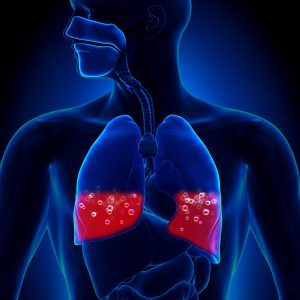
pulmonary edemaIn short, pulmonary edema is a condition where a person’s lungs are prone to filling up with fluid. Because of this, the body then struggles to get enough oxygen. Pulmonary edema is especially risky for people with heart problems. Treatment consists of medications, but there are also surgeries and procedures used to drain the fluid from the lungs. Timely treatment of the condition’s underlying causes improves a patient’s outlook.
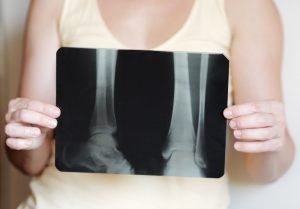
This condition is also called “lung congestion,” “lung water,” or “pulmonary congestion.”

Pulmonary Edema Symptoms

Pulmonary edema makes a person feel shortness of breath as the body struggles to receive oxygen. The increasing amounts of fluid in the lungs block the oxygen from entering the bloodstream. Until the fluid is removed by a doctor, a patient may feel:

  • Fatigue
  • Wheezing
  • Shortness of breath when physically active
  • Lower body swelling
  • Rapid weight gain
  • Feeling breathless when lying down

People also experience this condition as a side effect of high altitude sickness, when there isn’t enough oxygen in the air. These symptoms include:

  • Fever
  • Headaches
  • Shortness of breath
  • Coughing
  • Rapid or irregular heartbeat

When Do Pulmonary Edema Symptoms Become an Emergency?

Acute pulmonary edema develops suddenly and if left untreated the fluid in the lungs can make a person drown. Call 911 or your medical emergency service if you experience:

  • Inability to breathe.
  • Anxiety from breathing issues.
  • Chest pain
  • Sweating and breathing difficulties
  • Pallid, blue or grey skin.
  • A rough cough that produces a frothy, pink mucus
  • Feelings of suffocation
  • Irregular, rapid heartbeat

Treating Pulmonary Edema

The first thing a healthcare team will do to a patient with pulmonary edema is introduce more oxygen to the system. They prop the patient up and deliver 100% oxygen through a nasal cannula or positive pressure mask to assist with breathing. If this does not work, the healthcare providers may insert a endotracheal tube, or breathing tube, down their throat for mechanical ventilation.

From there, the doctor diagnoses the cause of the pulmonary edema and treatment from then on out attempts to fix the underlying cause. They may administer:

  • Heart medications to control pulse and blood pressure.
  • Suction catheter to remove fluid from the lungs.
  • Pain relievers to make the experience more comfortable.
  • Preload reducers to decrease fluid pressure in the heart and lungs.
  • Afterload reduces to dilate blood vessels

Pulmonary edema is a serious lung condition that often develops quickly and escalates to a medical emergency without much warning. If you are susceptible to pneumonia or expect to be exercising at a higher altitude in the future, you must be careful. Taking precautionary steps against pulmonary edema can save your life.

Dr. Stacie Grossfeld of Orthopaedic Specialists, in Louisville, KY, is an orthopedic surgeon with a focus on sports medicine. She has over 20 years of experience treating athletic and non-athletic patients alike. If you feel you may be at risk of developing pulmonary edema, contact her today. Call 502-212-2663 or visit one of her two office locations to schedule an appointment. 

Is Bone Marrow Edema Painful? Understanding Bone Marrow Edema

bone marrow edemaBone marrow is a spongy tissue located inside bones that is vital for the production of important constituents of the blood such as white and red blood cells. Microscopic fractures in the internal bone structure lead to bleeding and inflammation within the marrow. These abnormalities are called bone marrow edema or “bone bruising.”

This swelling leads to pain that can feel like a soft-tissue bruise — hence the nickname “bone bruise.” Sometimes bone marrow edema does not have any noticeable symptoms. Other times it results in dysfunction of the bone or joint. Symptoms depend on the underlying causes and severity of the edema.

How Do You Get Bone Marrow Edema?

A common cause is trauma to the area. Trauma caused by acute injury or repetitive overuse wears down tissue over time. Other causes include:

  • Damage to the cartilage surface of the joint due to arthritis
  • Injury to a ligament
  • Synovitis or “joint inflammation”
  • Osteonecrosis, a specific condition that causes interruption of the blood supply to the bone which in turn weakens the bone leading to fractures
  • Bone tumors

How to Detect Bone Marrow Edema

With Magnetic Resonance Imaging (MRI) technology, doctors are now able to produce detailed images of the body’s soft tissues — including bones — using magnetic fields and radio waves. With these images, they can spot abnormalities in the bone tissue indicative of fluid accumulation. Doctors were unable to spot this injury before MRIs, so it was not recognized in the medical community. Long-term effects of bone edema are still being studied.

Treating Bone Marrow Edema

The treatment of bone marrow edema often depends on the underlying causes. The most effective treatment for bone marrow edema caused by trauma is rest and relief from stress.  Most surgeons recommend limiting activity when bone bruising is found, especially if it is near a joint. Other options for treatment include medication, steroid injections, and surgery. A doctor should only suggest surgery if non-surgical treatments consistently fail.

Typically bone bruises heal four to 12 months after the injury. However, 10 to 15 percent of people diagnosed with bone marrow edema still have the injury up to two years after the initial injury. For some people, the conditions of the bone bruising can be indefinitely persistent.

Dr. Stacie Grossfeld has over 10 years of experience detecting and treating bone marrow edema and its related symptoms for patients in the Louisville and Kentuckiana area. If you would like more information on “bone bruising” or think you may be experiencing bone marrow edema, contact Orthopaedic Specialists today at 502-212-2663.