Addressing Osteosarcopenia to Reduce Hip Fracture Risk in Older Adults

Hip Fractures Due to Osteosarcopenia

As we age, we wear down our bones, joints, muscles, and cartilage. Some people experience arthritis, bone spurs, or osteoarthritis. Others might begin getting more injuries like tears, sprains, or breaks. Osteoporosis and sarcopenia are two common conditions that weaken bones and muscles as people age. They are very prominent in the aging community, as they contribute to a lot of injuries and pain. Osteosarcopenia is the combination of the conditions.

These conditions make it harder to move around, increase the chances of falling and breaking bones, and create a large burden on healthcare. Orthopaedic doctors can help diagnose and treat these conditions, improving patients’ lives.

What is Osteosarcopenia?

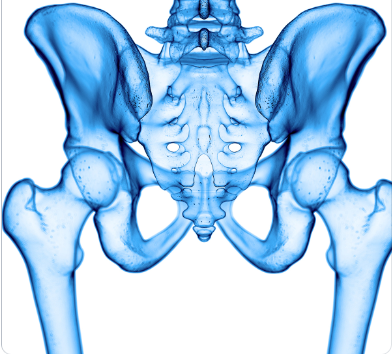
Osteosarcopenia means having both osteoporosis (weak bones) and sarcopenia (loss of muscle). This term was only recently coined, but the issue has persisted for far longer. It becomes more common with age, affecting:

  • 14.3% of men and 20.3% of women aged 60-64
  • 59.4% of men and 48.3% of women aged 75+

Each is a unique condition with its own set of diagnosis and treatment methods. What’s the real difference between Sarcopenia and Osteoporosis?

Sarcopenia

Sarcopenia is the loss of muscle mass and strength, usually starting around age 60. Inactivity, low testosterone, genetics, and poor nutrition can contribute to the condition’s onset. Sarcopenia symptoms include:

  • Falling more often
  • Difficulty carrying out daily activities
  • Experiencing a slower-than-normal walking pace
  • Muscle weakness and loss

The symptoms can be subtle, and it is important that the aging population pays attention to their bodies. Sarcopenia can significantly lower your quality of life and can lead to serious health problems if not addressed. It also increases the need for hospital stays, as well as prolongs them. Financially, it’s better to address Sarcopenia before this happens!

Diagnosing Sarcopenia

Diagnosis looks at muscle strength, muscle size or quality, and physical performance. Usually, it is diagnosis includes simple tests, like measuring grip strength and using scans such as DXA, CT, or MRI. However, physical tests like walking speed and how quickly you can get up and go can also reveal symptoms of the condition. Any test that measures muscle mass and function can be a good indicator of sarcopenia.

Osteoporosis

Osteoporosis is a bone disease characterized by low bone density, or a porous bone. It makes the bones in our body brittle, weak, and susceptible to breaks and fractures. Factors that increase the risk of osteoporosis include:

  • Sex
  • Age
  • Body Size
  • Race
  • Genetics
  • Hormone Changes
  • Diet
  • Existing Medical Conditions
  • Medications
  • Low Activity Levels
  • Heavy Alcohol Use
  • Smoking

Diagnosing Osteoporosis

Osteoporosis is diagnosed through routine osteoporosis screenings, where BMD, or bone mineral density, tests are conducted. Women over 65 years old, men over the age of 70, and anyone who has high-risk factors are encouraged to get regular screenings. Cases of unexpected bone breaks almost always warrant a bone density test, as well.

However, physical symptoms that doctors might check for include:

  • Loss of height and weight
  • Changes in posture
  • Balance and gait
  • Muscle strength

Treating Osteosarcopenia

1. Lifestyle Changes

While osteosarcopenia cannot be fully reversed, it can be managed. Lifestyle changes are one of the effective treatments that you can take.

  • Doctors always recommend getting proper nutrition, vitamins, and minerals. This might include taking calcium, vitamin D, and protein supplements.
  • Regular exercise reduces fall risk and helps manage or prevent osteosarcopenia. Increasing your physical activity, especially strength training, is very effective at improving bone strength, muscle mass, and overall function. Balance and aerobic exercises help, but they need more research for strong recommendations.
  • Cut out or reducing your alcohol intake.
  • Quit smoking and avoid secondhand smoke.
  • Visit the doctor for regular done density checks.

2. Medications

Right now, there are no specific drugs for sarcopenia. However, osteoporosis is treated with a variety of different medications. These include:

  • Bisphosphonates, which help to slow bone loss.
  • Hormone-replacement therapy, which can offset the effects of menopausal bone loss and other hormone-related risk factors.
  • Denosumab, a bone loss prevention injection usually used when other medicinal options do not perform as expected.
  • Bone-building drugs, which usually strengthen bones and cause bone-building cells to work harder.

Future Outlook

Osteosarcopenia is a growing concern for the elderly and aging community. The number of hip fractures are expected to double by 2050, making it crucial to address osteoporosis and sarcopenia. Doctors should encourage healthy lifestyles and strength exercise programs, but more research is necessary to find the best types, intensities, and frequencies of exercise.

If you or someone you love has suffered from and osteoporosis, sarcopenia, or osteosarcopenia injury in the Louisville, Kentucky-area, board certified sports medicine physician Dr. Stacie Grossfeld at Orthopaedic Specialists PLLC can help. Orthopaedic Specialists PLLC is accepting new patients, and same day appointments are available. For additional information or to schedule an appointment, please contact Orthopaedic Specialists PLLC today at 502-212-2663.

Golfer’s Elbow Treatment, Symptoms, and Prevention

Golfer's elbow treatment at Orthopaedic Specialists in Louisville KY

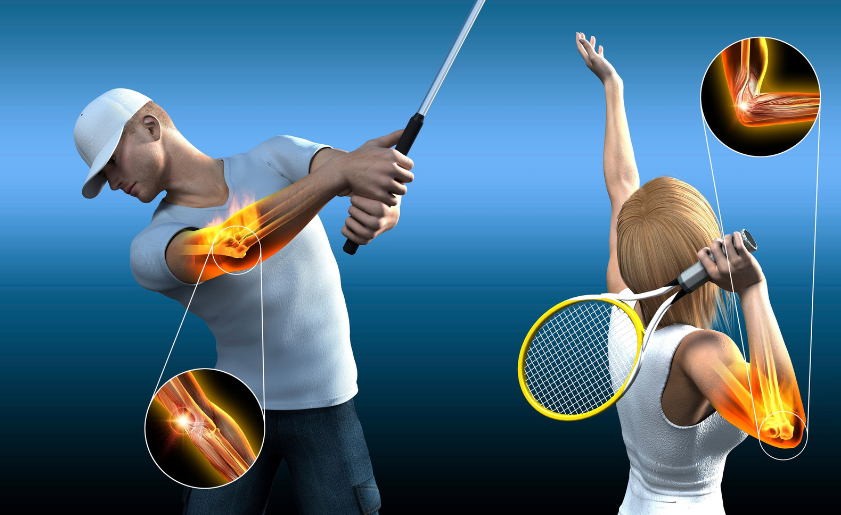
Golf season upon us! With the warmer weather rolling in, more carts are out on the course than usual. With golfers swinging, putting, and driving, it’s the perfect time to prepare for potential injuries you might encounter. The most common one we see is golfer’s elbow. The repetitive motion of swinging a golf club often leads to overuse injuries. Whether you’re a professional and amateur golf player, understanding injuries can help keep players out on the putting green instead of watching from the sidelines. Learn more from Orthopaedic Specialists about golfer’s elbow treatment, symptoms, and preventions tips.

What is Golfer’s Elbow?

Also known as medial epicondylitis, golfer’s elbow is caused by repeated forceful motions. In golf, this includes throwing, lifting, or bending the wrist against a golf club improperly. However, golfers aren’t the only ones who are susceptible to golfer’s elbow. Anyone who engages in an activity that requires frequent bending of the elbow and use of the wrist can experience medial elbow pain. 

Golfer’s elbow is caused by “damage to the muscles and tendons that control your wrist and fingers.” The result is pain where the tendons of the forearm meet the inner bone of the elbow. Participating in racket sports, sports that require throwing, weight training with improper technique, or any other forceful and repetitive movement can lead to the onset of golfer’s elbow. 

There are also several other risk factors that can play a role in who may be at a higher risk of developing golfer’s elbow which include:

  • Being over the age of 40
  • Obesity
  • Smoking 

Golfer’s Elbow Symptoms

  • Pain and tenderness on the inside of the elbow 
  • Stiffness
  • Pain or weakness of the wrist
  • Numbness or tingling 
  • Pain or weakness with gripping
  • Swelling 

To diagnose a case of golfer’s elbow, a medical provider will look at the patient’s medical history and perform a physical exam to test what movements cause irritation and to determine the level of pain. 

Golfer’s Elbow Treatment

In most cases, golfer’s elbow can typically be treated with at-home remedies, which include:

  • Rest – Avoiding any movement or activity that can easily aggravate the muscles and tendons in the forearm
  • Elevation – Propping the elbow up helps stimulate blood flow
  • Ice – Icing the affected area for 10-15 minutes every 2 to 3 hours can help reduce swelling and prevent symptoms from worsening. Heat should not be used on a new injury, but can be applied to the affected area for 10-15 minutes before performing exercises prescribed by a healthcare provider. 
  • Over-the-counter pain reliever and anti-inflammatory medicines 
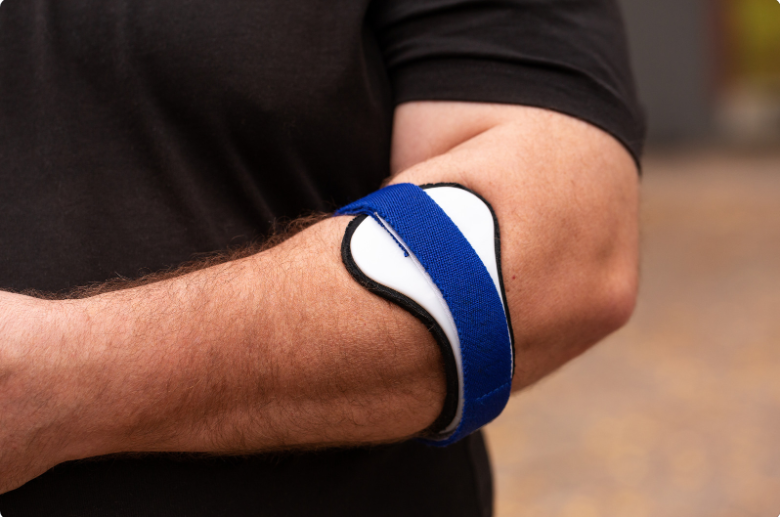
  • A splint or brace  – These can strengthen as well as protect the tendon and muscles affected; removing some of the strain and tension.

More serious cases of golfer’s elbow may call for treatments such as:

  • Rehabilitation exercises – Performing exercises prescribed by healthcare providers can improve the strength and flexibility of the muscles surrounding the elbow.
  • Cortisone injections – Injections can provide pain relief and reduce inflammation, however, they are not an effective long-term treatment option and can lead to prematurely going back to the activity that caused the injury. 
  • Surgery – In the rare case that the tendon tears, doctors may need to perform a surgical repair.  

How to Prevent Golfer’s Elbow

For those who participate in activities that can lead to the development of golfer’s elbow, be sure to take these preventative measures!

  • Perform conditioning exercises to strengthen the forearm muscles using light weights or squeezing a tennis ball
  • Properly stretch and warm-up the muscles before your activity
  • Use proper form and technique 
  • Use the right equipment
  • Rest to prevent overuse 

Depending on the severity of the injury, golfer’s elbow recovery time can take anywhere from several weeks to months. If you suffer from golf elbow pain, Dr. Stacie Grossfeld, an orthopedic surgeon and elbow specialist in Louisville, Kentucky, recommends seeking golfer’s elbow treatment as soon as the pain starts in order to avoid further damage and or chronic pain.


If you or someone you love has suffered a golfing injury in the Louisville, Kentucky-area, board certified orthopedic surgeon Dr. Stacie Grossfeld at Orthopaedic Specialists PLLC can help. Orthopaedic Specialists PLLC is accepting new patients, and same day appointments are available. For additional information or to schedule an appointment, please contact Orthopaedic Specialists PLLC today at 502-212-2663.
Angel McDowell and Rhonda King: The Orthopaedic Specialists Office’s Billing Department

Orthopaedic Specialist Office in Louisville KY treats a variety of Orthopaedic and Sports Injuries

If you’ve ever been to the Orthopaedic Specialists office, then you might know that it takes a village to keep things running smoothly. There isn’t a member of our office that we don’t appreciate and value! Today, we want to shine the spotlight on our billing department, which include our two gals, Angel McDowell and Rhonda King.

About Angel McDowell:

Orthopaedic Specialists in Louisville, KY is a woman-owned and run orthopaedic surgery practice.Having been working in the Orthopaedic Specialists office for 19 years now, Angel is a pillar of knowledge and a friendly face to everyone she meets. She graduated from the University of Louisville, and even started her medical office and insurance career at the U of L Health Services Center. She is now 47 years old and married with 2 adult children. She and her husband’s son is 20 years old and their daughter 26.

“With my husband and I almost being empty nesters – one out and one to go,” she laughs, “we are trying to get used to this new chapter in our lives and doing things we like to do.”

According to Angel, she and her husband love traveling and trying out new restaurants. Every now and then, they also enjoy trying their luck at the casino! Angel loves the ocean, and her favorite place to travel is the white sandy beaches anywhere on the Gulf side. Of course, she also enjoys eating a lot of seafood while there!

About Rhonda King:

Rhonda King of Orthopaedic Specialists Office in Louisville, KYRhonda has been with us at the Orthopaedic Specialists office since September 1999 – that’s coming up on 25 years! Over the years, she has contributed to several different areas in the office. Now, we’re very lucky to have her in the insurance and billing department.

She graduated from Indiana University Southeast with a Bachelor of Arts degree in Child Psychology in 1998. After graduating, she worked as a youth counselor for Maryhurst for a short time before coming to Orthopaedic Specialists. She has been a crucial part of the team since!

She is married to her husband, John, with whom she has 3 boys, who are all grown. They also have 3 dogs (one of which, Sandy the dachshund, will be 19 years old in September) and 3 kitties. In her spare time, her favorite things to do are:

  • Spending time with her grandkids
  • Vacationing at the ocean
  • Taking long weekend getaways (especially to Gatlinburg, TN)
  • Going to the movies
  • Rooting on the Indiana Hoosiers (one day we will have a winning season again)
  • Hanging out by our pool and having cook outs in the summer

We Asked:

What is your favorite part about working at Orthopaedic Specialists?

Angel: “My favorite part would be that it is a small, but fast-paced and successful office run entirely by women!”

Rhonda: “My favorite part about working for Orthopaedic Specialists is the work environment. Each one of us supports everyone else, whether that is here at the office or outside of work. We have a great work family!”

What is your favorite or most memorable work experience?

Angel: “I love our team building outings that we have! My most memorable one would be when Dr. Grossfeld surprised us with our first shopping spree to show her appreciation for us. We’ve had several since that first time, but that one was really special.”

Rhonda: “Several years ago, Dr. Grossfeld was the treating physician for the WWE when their training center was located here, before it moved to Florida. During that time, I got to meet a few of the wrestlers and even got autographs for my kids when they were young!”

Is there anything else you’d like to include about Dr. Grossfeld, Orthopaedic Specialists, or your co-workers?

Angel: “I feel so blessed to have worked here for 19 years. Dr. Grossfeld is well aware that I am a ‘lifer’ in the office. The world of billing and insurance changes constantly and can be challenging at times, but I have learned over the years to accept that challenge, figure it out, and go on to the next. My work family is a wonderful group of smart, caring, and hardworking group of women.”

Rhonda: “I could not imagine working anywhere else but here! Dr. Grossfeld makes sure her office staff is happy. She has shown her appreciation by taking us on shopping trips for purses, shoes, etc. It is always fun hanging out with co-workers outside of the office!”


If you or someone you love has suffered an injury in the Louisville, Kentucky-area, board certified sports medicine physician Dr. Stacie Grossfeld at Orthopaedic Specialists PLLC can help. Orthopaedic Specialists PLLC is accepting new patients, and same day appointments are available. For additional information or to schedule an appointment, please contact Orthopaedic Specialists PLLC today at 502-212-2663.

Osteoarthritis vs Osteoarthrosis: What’s the Difference?

Osteoarthrosis and arthritis treatment in Louisville KY at Orthopaedic Specialists.

When coming across the terms osteoarthritis and osteoarthrosis, you might be wondering what these terms mean or whether or not they refer to the same condition. However, while osteoarthritis and osteoarthrosis sound extremely similar, they are actually different orthopedic conditions! 

First, it might be helpful to break down the terms osteoarthritis and osteoarthrosis in order to determine what they mean and how they are different. 

Osteoarthritis:

  • “Osteo,” or the Greek word for ‘bone’ and
  • “-itis,” which means ‘inflammation’

Osteoarthrosis:

  • “Arthro-,” which is a prefix meaning ‘joint,’ and
  • “-osis,” meaning ‘disease process or condition’ 

While many medical societies consider these two terms interchangeable and synonymous, osteoarthrosis is technically any noninflammatory arthritic condition that results in similar degenerative changes as in osteoarthritis, such as TMJ and other conditions. Additionally, even though osteoarthritis has traditionally been classified as a non-inflammatory disease, as the immune system is studied, many medical professionals are questioning that classification.

Osteoarthritis

Typically, people are most familiar with the term ‘arthritis.’ This is a more general term for conditions that affect the joints or the tissue around a joint. There are many different types of arthritis, including:

  • Rheumatoid ArthritisAn autoimmune and inflammatory disease, which means that your immune system attacks healthy cells in your body by mistake, causing inflammation (painful swelling) in the affected parts of the body. 
  • Juvenile ArthritisArthritis that appears in children most likely due to the immune system not functioning properly, which causes inflammation in the joints and other body systems.
  • Psoriatic ArthritisA chronic inflammation of the skin and joints that causes pain, stiffness, and swelling in affected joints that sometimes occurs alongside psoriasis, which is a chronic autoimmune skin disease that speeds up the growth cycle of skin cells.

Osteoarthritis is the most common form of arthritis. It occurs when there is increased pressure on the joints that causes the cartilage within a joint to break down. This loss of cartilage – the flexible, protective tissue at the ends of bones – can cause the underlying bone to become exposed and subject to change over time.  

Although osteoarthritis can damage any joint, the disorder most commonly affects joints in your hands, knees, hips and spine. The symptoms of osteoarthritis can include:

  • Pain
  • Stiffness
  • Swelling
  • Decreased joint movement 
  • Tenderness

Risk factors can include:

  • Older age
  • Gender (Women are more likely to develop osteoarthritis)
  • Obesity
  • Joint injuries
  • Repeated stress on the joint
  • Genetics
  • Bone deformities
  • Certain metabolic diseases including diabetes and hemochromatosis, a condition where your body has too much iron
  • Occupation

How to Help Prevent and Treat Osteoarthritis

While it might not be possible to fully prevent osteoarthritis, there are some preventative measures that can decrease the likelihood of developing osteoarthritis or stop it from getting worse.

  • Maintain a healthy body weight
  • Control blood sugar
  • Avoid injury to your joints
  • Exercise daily 

Treatment can vary from surgical to nonsurgical options depending on the condition of the patient and can include:

Osteoarthrosis

Osteoarthrosis generally occurs in older adults as cartilage begins to deteriorate with age. Similar to osteoarthritis, this loss of cartilage can result in painful and damaging bone-to-bone contact within the joints. 

Osteoarthrosis most commonly affects the knee, hip, and hand. It also has similar symptoms to osteoarthritis including:

  • Pain
  • Stiffness
  • Decreased joint movement 

Risk factors can include:

  • Age
  • Weight
  • Genetics
  • Occupation
  • Joint deformities

Treatment of Osteoarthrosis

There is no way to completely prevent osteoarthrosis, however, there are ways to manage and treat symptoms, which include: 

  • Rest
  • Weight loss
  • Occupational therapy
  • Supportive aids such as canes, crutches, shoe lifts, and elastic knee supports
  • Physical therapy to help safely strengthen muscles around the affected joint 
  • Joint surgery
  • Medication

Remember to consult your doctor for insight into your personal risk factors regarding osteoarthritis or osteoarthrosis. If you are at a higher risk for developing either one, it is important to maintain a healthy lifestyle and closely monitor the health of your joints. Make sure to contact your healthcare provider if any sudden or abnormal pain persists for a long period of time. 


If you or someone you love suffers from arthritis or another disease or injury in the Louisville, Kentucky-area, board certified orthopedic surgeon Dr. Stacie Grossfeld at Orthopaedic Specialists PLLC can help. Orthopaedic Specialists PLLC is accepting new patients, and same day appointments are available. For additional information or to schedule an appointment, please contact Orthopaedic Specialists PLLC today at 502-212-2663.
MCL and ACL Tears

Orthopaedic Specialists treats ACL and MCL tears in Louisville KY.

Would you believe us if we told you there are over 300 joints in the human body? That’s right – adults actually have around 350 joints. Out of all 350 of those joints, the knee joint is actually the largest and one of the most complex. While every joint plays a vital role in the overall function of the body, the knee joint is especially important. It not only supports your weight, but is also what allows you to move and bend your legs. That’s why doctors emphasize the importance of proper treatment and recovery for injuries like MCL and ACL tears! 

An Overview of Ligaments in the Knee

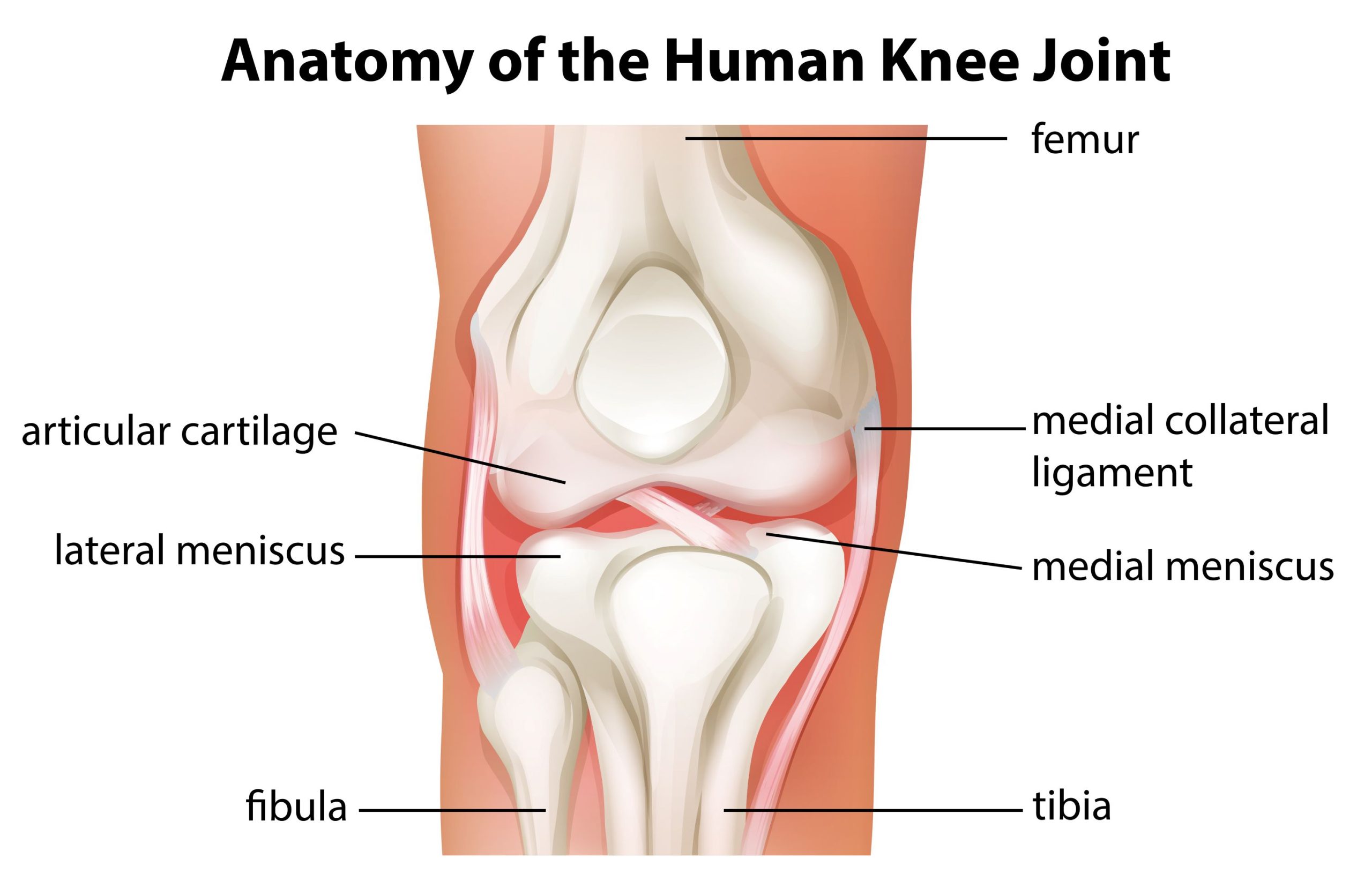
Proper movement of the knee wouldn’t be possible without the help of the four primary ligaments in the knee joint:

  1. The medial collateral ligament (MCL)
  2. The lateral collateral ligament (LCL)
  3. The anterior cruciate ligament (ACL)
  4. The posterior cruciate ligament (PCL)

These ligaments are strong and flexible bands of tissue that connect bones to one another and provide stability in the joint. You can find the MCL and LCL along the inner and outer sides of the knee, the ACL in the middle of the knee, and the PCL deeper in the knee behind the ACL. While these ligaments play a vital role in keeping the knee joint strong and stable, the knee is still a vulnerable joint that is susceptible to injury. 

Two of the most common knee injuries include MCL and ACL tears. 

MCL Tear VS. ACL Tear

MCL and ACL tears occur when the fibers of the ligament are torn either partially or completely into two pieces. Anyone can experience an MCL tear, however, they are more common in athletes who participate in sports such as football, basketball, and skiing. 

The anterior cruciate ligament (ACL) forms an “X” shape with the posterior cruciate ligament (PCL) and helps to keep the knee from bending or rotating past its natural limit. Similar to MCL tears, ACL tears can happen to anyone, but basketball, football, and soccer athletes experience them most commonly. Additionally, research shows that female athletes are more likely to experience ACL tears than men.

Causes of MCL and ACL Tears:

There are several different movements or circumstances that can lead to an MCL or ACL tear. The causes for MCL and ACL tears are very similar and can include: 

  • Forcefully shifting directions while one foot is planted on the ground 
  • Someone or something forcefully hitting the outer side of the knee (MCL) or the side of the knee more generally (ACL) 
  • Squatting or lifting heavy objects (MCL)
  • Landing from a jump in a strange position that tweaks the knee
  • Hyperextending (overstretching) the knee
  • Repeated pressure and stress to the knee – this can cause the MCL or ACL to lose elasticity 
  • When the knee is bent backward or twisted (ACL)
  • Car accidents or hard falls can also lead to ACL tears if too much force is put on the knee

Oftentimes, injuries that cause ACL tears can also damage other parts of the knee, so it is not abnormal for an ACL and MCL tear to occur at the same time. 

MCL and ACL Tear Symptoms:

Much like the causes of MCL and ACL tears, the symptoms of both injuries manifest in similar ways. Depending on the severity of the injury, torn knee ligament symptoms can include: 

  • Hearing a popping sound when the injury occurs
  • Pain in the knee
  • Tenderness on the inner side of the knee (MCL)
  • Swelling or stiffness
  • Instability of the knee that makes it difficult to walk or support your weight 
  • Locking or catching of the joint 
  • Loss of range of motion

MCL and ACL Tear Diagnosis:

The severity of both MCL and ACL tears are classified based on a 3 grade level. When it comes to the diagnosis of an MCL or ACL tear, a healthcare provider will first conduct a physical exam to get a sense of the severity of the injury based on pain level and range of motion. After a physical exam, your provider may order an MRI (magnetic resonance imaging), an ultrasound, X-ray, or CT (computed tomography) scan. This allows doctors to look at the injury in more detail. At this stage, they will also be able to see if there are any other injuries to the knee. 

Treatments for MCL and ACL Tears:

MCL:

More often than not, MCL tear recovery does not require surgical treatment unless there are other injuries to the knee that occur alongside an MCL tear. Instead, MCL injury treatment may include:

  • Using the RICE method, which includes resting the knee, icing the knee, wearing a compression band, and elevating the knee during rest. This method helps reduce pain and swelling. 
  • Taking pain medication to reduce pain and swelling in the knee.
  • Using crutches to reduce the amount of weight that is put on the injured knee.
  • Physical therapy exercises to regain strength and range of motion

MCL tear recovery time varies depending on the grade of the injury. A grade 1 MCL tear can take 1-3 weeks to heal, a grade 2 MCL tear can take 4-6 weeks to heal, and a grade 3 MCL tear can take 6 weeks or more to fully heal.

ACL:

As for ACL tear treatment, it is possible for an ACL tear to heal naturally if it is a low grade tear. However, athletes who wish to return to their sports or those who have severe ACL tears typically undergo surgery and have the ACL surgically repaired.

Outside of surgery, torn ACL treatment also involves:

  • The RICE method
  • Taking pain medication
  • Using crutches
  • Wearing a brace to hold the knee in place 
  • Physical therapy exercises

It is extremely important that an ACL injury is properly healed before getting back into physical activity or else you run the risk of reinjuring the ACL. Depending on the severity of the injury and whether or not surgery is involved in the treatment plan, ACL tear recovery time can take anywhere from 6 to 12 months.  


If you or someone you love has suffered an injury in the Louisville, Kentucky-area, board certified orthopedic surgeon Dr. Stacie Grossfeld at Orthopaedic Specialists PLLC can help. Orthopaedic Specialists PLLC is accepting new patients, and same day appointments are available. For additional information or to schedule an appointment, please contact Orthopaedic Specialists PLLC today at 502-212-2663.
What is Palindromic Rheumatism?

Symptoms and treatment of Palindromic Rheumatism at Orthopedic Specialists.

There are many types of arthritis that plague the population. However, one of the strangest has to be palindromic rheumatism. Other names for this rare condition include palindromic rheumatoid arthritis, palindromic arthritis, or palindromic inflammatory arthritis. This form of inflammatory arthritis is characterized by short periods of joint pain and inflammation flare-ups. However, outside of the ‘arthritis attacks,’ joints feel completely normal and do not experience any permanent damage.

While palindromic rheumatism may target any joint(s), fingers, wrists, and knees are most common. Flare-ups range in frequency and length and vary with each individual. Some flare-ups last only a couple of hours, but some might last days. Some only have a flare-up a few times a year while other might experience them several times a week. Regardless of how long or often the flare-ups happen, though, this condition is still different than other arthritis conditions like RA, or rheumatoid arthritis.

Some studies suggest that palindromic arthritis is a pre-rheumatoid arthritis stage for some, but not all. In fact, only approximately 13% of patients develop rheumatoid arthritis later in life. While rheumatoid arthritis is the most common development after palindromic rheumatism, it is not the only. Some people with this condition are also at a higher risk of developing lupus and/or other systemic disorders instead.

Palindromic Inflammatory Arthritis vs Rheumatoid Arthritis

While the two conditions share similar symptoms whilst active, there are several differences between palindromic arthritis and rheumatoid arthritis.

  1. Chronicity: RA is a chronic disease whereas palindromic rheumatism is an acute condition with chronic recurrences.
  2. Demographics: While rheumatoid arthritis affects women more often than men, palindromic inflammatory arthritis can be found equally in both men and women.
  3. Location: Palindromic rheumatism flare-ups only affect 1-2 joints, which vary with each flare. Rheumatoid arthritis affects multiple joints consistently.
  4. Effects: Where joint erosion might be present in those with rheumatoid arthritis, palindromic arthritis does not permanently affect the joints.

Symptoms of Palindromic Rheumatoid Arthritis

As stated, palindromic rheumatism attacks come on suddenly and unexpectedly. There are no warning symptoms or triggers prior to the attack. During the arthritis attack, however, symptoms can include:

  • Painful, stiff joints and surrounding tendons
  • Visibly swollen affected area
  • Tender, hot, and/or redness around inflammation
  • Potential fever/systemic symptoms

After the flare-up passes, some people experience fatigue and tiredness. Otherwise, there are no symptoms or pain outside of the attack.

Palindromic Arthritis Treatment

Palindromic rheumatism attacks are difficult to anticipate, and therefore can be difficult to treat. However, one benefit of palindromic arthritis is that, due to the acute nature of the condition, it can be treated more conservatively than other diseases such as rheumatoid arthritis.

Most often, patients treat acute flare-ups with rest and nonsteroidal anti-inflammatory drugs (NSAIDs). Maintaining a healthy, non-inflammatory diet can also be a tool to manage the frequency of attacks. In more serious cases, some anti-rheumatic medications (DMARDs) used for rheumatoid arthritis, such as hydroxychloroquine and sulfasalazine, may be prescribed. If you seek treatment from a doctor, it is better to go during a flare-up, as any symptoms go away outside of them.

If you or someone you love suffers from arthritis in the Louisville, Kentucky-area, board-certified sports medicine physician and orthopedic surgeon Dr. Stacie Grossfeld at Orthopaedic Specialists PLLC can help. Orthopaedic Specialists PLLC is accepting new patients, and same day appointments are available. For additional information or to schedule an appointment, please contact Orthopaedic Specialists PLLC today at 502-212-2663.

March Madness: Common Basketball Injuries

Treat your common basketball injuries at Orthopedic Specialists in Louisville, KY.

With the Super Bowl closing out the NFL season in February, the month of March now rolls in. But that just means that basketball fans are rejoicing everywhere. After all, March Madness is soon approaching! However, when filling out those March Madness brackets, it is important to take into consideration athlete injuries. It’s true that basketball isn’t as aggressive as collision sports such as football and hockey. But basketball players actually have one of the highest injury rates out of all the contact sports. Keep reading along to learn about the most common basketball injuries that athletes experience!

Understanding Basketball Injuries 

No matter if you play professionally, for an organized team, or recreationally, basketball is a demanding sport. The athletes have to constantly be ready to move in different directions and complete dynamic, high-impact movements. That might include running forwards and backwards, lateral shuffling, and jumping. The agility and quick movements can easily lead to injuries. While basketball injuries can occur in any part of the body, the most common injuries are typically located in the lower body. 

Common Basketball Injuries

  • Ankle Injuries
    • Sprained ankles are a common injury among basketball players where the ligaments around your ankle get overstretched or torn. Ankle sprains can occur as a result of landing or jumping while off balance or having your foot roll outward or inward.
  • Knee Injuries
    • Jumper’s knee, also known as patellar tendonitis, is a common cause of knee pain after basketball. It occurs when the patellar tendon becomes inflamed due to overuse of the knee joint. Repeatedly putting stress on the tendon from frequent jumping on hard surfaces can lead to weakness and possible tears in the tendon.
    • ACL tears are another common injury among athletes. The anterior cruciate ligament (ACL) is one of four major ligaments in the knee joint that helps maintain the knee’s rotational stability. ACL tears often occur during a sudden twisting movement such as pivoting and landing after a jump.
  • Finger Injuries
    • Basketball finger injuries, such as jammed fingers, often occur because of the frequent passing of the ball that is required. 
  • Lower Leg and Foot Injuries 
    • Stress fractures are typically overuse injuries that create microscopic tears in the bone. These tears are due to muscles fatigue or weakness, leaving the athlete unable to perform an exercise properly. Increasing the amount or intensity of an activity before an athlete is ready can also lead to stress fractures.

Prevention

When it comes to playing basketball, or any sport for that matter, it is important to be aware of the ways you can prevent injuries from happening in the first place.

1. Warm-up and Stretch

Properly and thoroughly warming up your muscles to prepare for the quick movements in a game of basketball can help ensure that you’re ready to perform at your highest potential. 

2. Strength training

Incorporating strength training into your routine can not only improve your performance on the court, but it can also strengthen those muscles, ligaments, and tendons that are more susceptible to injury. 

3. Proper technique

Using proper technique on the court can reduce the risk of collision-related injuries. It also prevents unnecessary stress on parts of the body that develop injuries easily. 

4. Appropriate Equipment

Having appropriate equipment and a safe environment to play a game of basketball is crucial to avoiding basketball injuries. Being properly equipped for a game of basketball includes:

  • Using a mouth guard
  • Wearing safety glasses
  • Taping fingers to prevent jammed fingers
  • Wearing basketball shoes that:
    • Fit well
    • Provide good ankle support
    • Have nonskid treads

5. Stay Hydrated 

Dehydration interferes with athletic performance as muscles can become tense or cramp up due to the body losing water during physical activity. This can lead to muscle strains, tears, and bone fractures. Make sure you focus on hydrating before, during, and after physical activity! 

Returning to Play After an Injury

For players recovering from a basketball injury, it is crucial to follow the orthopedic surgeon’s guidance and engage in a structured rehabilitation program. Rushing back to the court prematurely can exacerbate the injury and lead to long-term consequences.

In conclusion, basketball is a sport that is loved and played by many as it provides a fun opportunity to get active and socialize with others. Because basketball is such a popular sport, it is important to be aware of the injury risks that can come with playing. By understanding common basketball injuries and methods of prevention, players can more confidently step out onto the court knowing how to increase their performance, while also prioritizing their musculoskeletal health.


If you or someone you love has suffered a sports injury in the Louisville, Kentucky-area, board certified orthopedic surgeon Dr. Stacie Grossfeld at Orthopaedic Specialists PLLC can help. Orthopaedic Specialists PLLC is accepting new patients, and same day appointments are available. For additional information or to schedule an appointment, please contact Orthopaedic Specialists PLLC today at 502-212-2663.
Achilles Tendon Injuries: Acute Achilles Rupture vs Chronic Achilles Tendinitis

Achilles tendon injuries can be either acute Achilles Rupture or Achilles Tendinitis

Did you know that the Achilles tendon is the strongest tendon that our body has? It’s true! It has to be, since it plays such an important role in our ability to walk, run, jump, and move. It’s located at the back of the leg and connects the calf muscles – or the gastrocnemius and soleus muscles – to the heel bone. All people use this tendon everyday, and those such as athletes use it even more at a higher intensity. With how much the average person relies on their lower body, heel, foot, and leg pain might not be new. However, with Achilles tendon injuries, addressing pain and other issues is an important step in preventing further injury.

You might be asking: why the Achilles tendon specifically?

Unfortunately, alongside being the strongest tendon, the Achilles tendon also happens to be the most commonly-injured in the lower body. Because this tendon is so imperative to our daily activities and movement, knowing the type of pain you experience in the area and when to seek out medical treatment is critical to maintaining your health.

There are two types of Achilles tendon injuries that you should know: chronic Achilles tendinitis and acute Achilles rupture.

Chronic Achilles Tendinitis

Chronic Achilles tendinitis is a common overuse injury. Basically, if the Achilles tendon becomes inflamed, the body responds by swelling and becoming painful or irritated. There are two types of Achilles tendonitis:

Non-insertional Achilles Tendonitis is found more often in younger, active people. Small tears begin to break the tendon down, causing pain, swelling, hardening, and thickening of the tendon.

Insertional Achilles Tendinitis originates from the lower tendon near the heel. This is where it attaches to the bone. Because of its proximity, bone spurs are more likely to form with this type of tendonitis. Insertional Achilles Tendonitis can be found in all ages and activity levels, and is caused in part by calf muscle tightness, which increases the stress on the tendon insertion.

Acute Achilles Rupture

An acute Achilles rupture is the worse of the two injuries. When ruptures occur, the Achilles tendon tears or separates in one or more places. It accounts for 20% of all large tendon ruptures, and many who have experienced this injury describe it as a “gunshot” sensation. You might hear a loud pop or crack, and then experience a sharp and persistent pain at your ankle and up the back of your leg. It is very common in athletes due to the high number of abrupt accelerations and decelerations. This is a serious injury and requires immediate medical attention.

Achilles rupture treatment may be nonoperative or operative. However, the type of treatment depends on the age, activity demands, and how long the patient has had the injury. Nonoperative treatments often include bracing or casting alongside rehabilitation. Operative treatments can include:

  • Open end-to-end Achilles tendon repair
  • Percutaneous Achilles tendon repair
  • Reconstruction with VY advancement
  • Flexor hallucis longus transfer +/- VY advancement of gastrocnemius

Achilles Tendon Injury Treatment in Louisville, KY

Approximately 25% of Achilles tendon injuries are misdiagnosed at initial presentation. However, if you have experienced severe or persistent heel and calf pain, you may have an Achilles tendon injury.

Remember that while the injury is more common in both consistent and episodic athletes, Achilles tendon injuries can happen to anyone! Conditions that weaken or cause joints, tendons, and muscles to degenerate like arthritis, natural age, or prior untreated injuries can also contribute to risk.


If you or someone you love has suffered an Achilles Tendon injury in the Louisville, Kentucky-area, board certified sports medicine physician Dr. Stacie Grossfeld at Orthopaedic Specialists PLLC can help. Orthopaedic Specialists PLLC is accepting new patients, and same day appointments are available. For additional information or to schedule an appointment, please contact Orthopaedic Specialists PLLC today at 502-212-2663.

An Overview of Osteonecrosis/Avascular Necrosis Treatment and Causes

Osteonecrosis, avascular necrosis treatment in Louisville KY

Avascular necrosis, also known as osteonecrosis, is the death of bone tissue caused by a lack of blood supply. Avascular necrosis can cause tiny breaks in the bone, which can eventually lead the bone to fully collapse if the issue is not properly treated. While osteonecrosis can affect individuals of any age or gender, it is most commonly found in individuals between the ages of 30 and 50. Additionally, osteonecrosis can happen to any bone in the body, but it most typically develops in the hip, knee, and shoulder. Learn more about avascular necrosis treatment and causes below!

Avascular Necrosis Causes

There are several different causes of a lack of blood supply that can potentially lead to avascular necrosis. More often than not, avascular necrosis tends to be caused by a systemic problem such as if you have an autoimmune disease and you’re on high doses of steroids. There are other causes including:

  1. An injury, such as dislocations or fractures around a joint
  2. Excessive alcohol and tobacco use
  3. Radiation therapy or chemotherapy
  4. Fatty deposits in blood vessels
  5. Sickle cell anemia
  6. Gaucher disease 
  7. Systemic lupus erythematosus
  8. Legg-Calve-Perthes disease
  9. HIV infection

Osteonecrosis Symptoms

Signs and symptoms of osteonecrosis may vary depending on what part of the body is affected and how much the bone tissue, as well as the surrounding area, is impacted. Some common symptoms of osteonecrosis include the following:

  1. Pain in the joint that may increase over time, especially if the bone collapses
  2. Pain that occurs even at rest
  3. Limited range of motion
  4. Groin pain, if the hip joint is affected
  5. Limping, if the condition occurs in the leg
  6. Difficulty with overhead movement, if the shoulder joint is affected
  7. Worsening arthritic symptoms in the joint when the condition deteriorates

Avascular Necrosis Treatment

When it comes to diagnosing a case of avascular necrosis, doctors usually turn toward imaging methods such as an x-ray or magnetic resonance imaging (MRI). Depending on the severity of the patient’s condition, there are several ways to treat avascular necrosis. Initially, the healthcare provider will attempt to treat the underlying condition that might be causing the problem. If the treatment of an underlying condition is not the proper solution for a particular case of avascular necrosis, the healthcare provider will turn to treating the bone itself.

If the condition is caught early on and there is not a large amount of damage to the bone or surrounding joint that is in need of surgical treatment, the patient may take pain relievers, limit use of the affected area, and potentially be given range-of-motion exercises to do. There is the possibility that nonsurgical treatment will slow the progression of osteonecrosis; however, most people will need surgery.

Surgical options include:

  • Core decompression, which consists of drilling holes in the bone right into the lesion to stimulate new bone growth into that area
  • Osteochondral bone grafts or replacements, which consist of replacing the affected bone with healthier bone
  • If the joint collapses, the worst case scenario is undergoing a whole knee/hip/shoulder replacement based on the area affected 

Each case of avascular necrosis is different, so it is best to consult your healthcare provider if you are experiencing any kind of pain, especially if it is joint pain. Want to see a real-life diagnosis of osteonecrosis? Check out the informative TikTok made by Orthopaedic Specialists’ board-certified orthopedic surgeon, Dr. Stacie Grossfeld!


If you or someone you love has suffered an injury in the Louisville, Kentucky-area and developed osteonecrosis as a result, board certified orthopedic surgeon Dr. Stacie Grossfeld at Orthopaedic Specialists PLLC can help. Orthopaedic Specialists PLLC is accepting new patients, and same day appointments are available. For additional information or to schedule an appointment, please contact Orthopaedic Specialists PLLC today at 502-212-2663.

An Overview of Orthopaedic Sports Medicine and What It Means to Be Board Certified

Dr. Stacie Grossfeld in Louisville, KY is double board certified in Orthopaedic Surgery and Orthopaedic Sports Medicine through the American Board of Orthopedic Surgery.

Dr. Stacie Grossfeld, Louisville orthopedic surgeon, is double-board certified in both orthopedic surgery and orthopaedic sports medicine through the American Board of Orthopedic Surgeons. But what exactly does that mean? Is one more important than the other? How do you get board-certified?

You’re in luck! Because Orthopaedic Specialists is here with a short overview of sports medicine, board certifications, and what it means to be an orthopedic specialist.

Sports Medicine and Orthopedic Surgery

When a doctor goes through medical school, eventually, they make it to their period of residency, which is where the hopeful doctor hones their skills in the specialty of their choice. There are plenty of medical specialties to choose from, be it pediatrics, cardiology, genecology, anesthesiology, family medicine, psychiatry, plastic surgery, dermatology, etc., and orthopaedic surgery is one of them. Due to the broad nature of each specialty, doctors can then choose to get even more granular and earn a certificate in a subspecialty. Common subspecialties in orthopedic surgery are:

  • Adult Reconstructive Orthopaedics
  • Hand Surgery
  • Musculoskeletal Oncology
  • Orthopaedic Sports Medicine
  • Orthopaedic Surgery of the Spine
  • Pediatric Orthopaedics

So, Dr. Grossfeld was first board-certified in orthopedic surgery by the American Board of Orthopedic Surgery after her residency and internship at the University of Minnesota, and then obtained her subspecialty in Sports Medicine after completing her fellowship at the Fowler-Kennedy Sports Medicine Center.

What are the American Board of Orthopedic Surgery’s Qualifications to Earn a Subspecialty?

According to the ABOS, “The Subspecialty Certificate in Orthopaedic Sports Medicine is for Board-Certified orthopaedic surgeons who have demonstrated qualifications in sports medicine beyond those expected of other orthopaedic surgeons by virtue of additional training, a practice characterized by a volume of cases in sports medicine, or have made significant contributions to this field.”

Other qualifications include:

  • Candidates must have completed a one year ACGME accredited fellowship in orthopaedic sports medicine
  • Candidates must have a one-year case list submitted, composed of at least 115 operative cases and 10 non-operative cases
  • Seventy five of the 115 operative cases must involve arthroscopy as a component of the procedure
  • Candidates must complete a four-hour examination consisting of 175 multiple-choice questions

How is an Orthopedic Sports Medicine Specialist Different From a Regular Orthopedic Surgeon?

Orthopedic sports medicine specialists are orthopaedic surgeons, but they specialize in treating and preventing athletic or exercise injuries. Many times, sports medicine specialists will also focus on other lifestyle factors, such as training, physical therapy exercises, and nutrition. This specialty is also applied to other mobility-related injuries for those with disabilities or chronic conditions like arthritis.

Common conditions that an orthopedic sports medicine specialist might treat are:

  • Trauma, broken bones, and fractures
  • Dislocations and separations
  • Tendonitis
  • Joint injections
  • Shoulder pain and injuries, such as:
    • Rotator cuff tears
    • Dislocated shoulders
    • Frozen shoulders
    • Pitcher’s shoulder
    • Shoulder Impingement Syndrome
    • Swimmer’s shoulder
  • Nerve compression
  • Arthritis
  • Overuse injuries
  • Torn cartilage
  • Knee pain and injuries, such as:
    • ACL injuries
    • MCL injuries
    • PCL injuries
    • Knee arthroscopies
  • Foot and ankle injuries
  • Elbow, wrist, arm, and finger injuries
  • Sprains and strains
  • Tennis elbow

If you or someone you love has suffered a sports injury in the Louisville, Kentucky-area, double-board certified orthopedic sports medicine physician and orthopaedic surgeon Dr. Stacie Grossfeld at Orthopaedic Specialists PLLC can help. Orthopaedic Specialists PLLC is accepting new patients, and same day appointments are available. For additional information or to schedule an appointment, please contact Orthopaedic Specialists PLLC today at 502-212-2663.