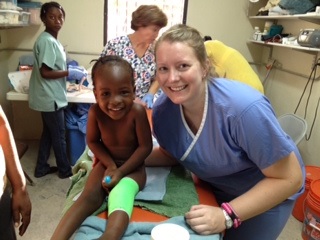
 Orthopaedic Specialists is excited to introduce medical resident Tiffany Simpson M.D. Dr. Simpson is a graduate of Bellarmine University and University of Louisville’s School of Medicine. She is in her second year as a medical resident specializing in Family Medicine.
With a long time interest in global health issues, Dr. Simpson heard about an opportunity to travel to Titanyen, Haiti, with Westport Baptist Church and Global Outreach International. Situated north of Port-au-Prince, Titanyen has a burn clinic where Dr. Simpson worked.
Burn injuries are common in the area, in part because most people cook their food outside over open fires. Talking about her interest in global health issues, Dr. Simpson explains:
“I’ve always been interested in helping people outside of our country – people who do not have access to the same resources and treatment options that we have. When the opportunity to go to Haiti came up with my church I was very excited to go. It was an eye opening experience. The level of need really surprised me.”
Dr. Simpson talked about her daily schedule during her time in Haiti. She started her days working at the medical clinic from around 7 a.m. in the morning to early afternoon. After working at the clinic, she and the other volunteers spent time doing needed jobs like painting and fixing things around the campus for Global Outreach International. She was also on call during the afternoon to provide medical assistance as needed.
Talking about her time working in Titanyen, Haiti, Dr. Simpson emphasized the serious need in Haiti for medical supplies and medical treatment. (more…)

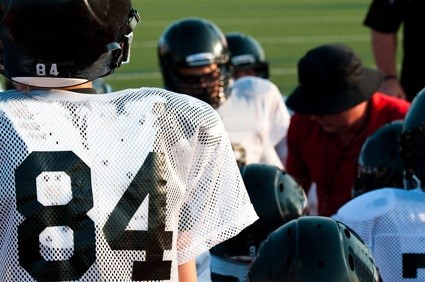
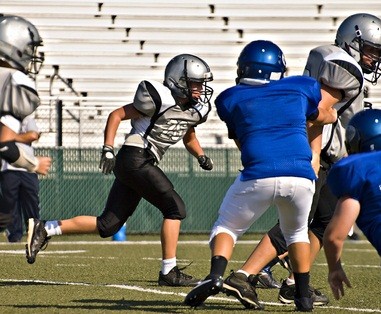 Research suggests that repeated impact to the head, like many contact athletes experience, can cause damage to the brain even without a concussion. Dr. Thomas McAlllister at Indiana University School of Medicine compared a group of college athletes engaged in contact sports like ice hockey and football with those participating in track and field.




Recent Comments