Slap Tear: An Overview of this Common Shoulder Injury

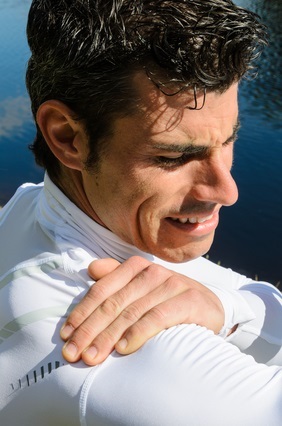
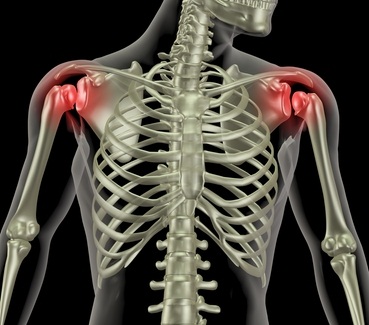
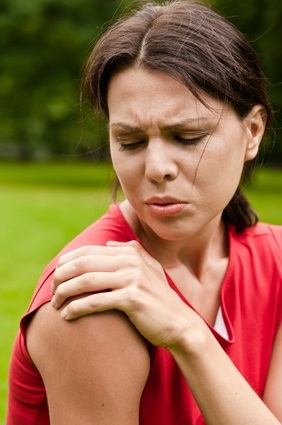
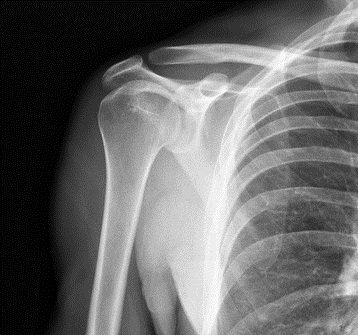
slap tearYour shoulder socket is surrounded by tissue called labrum. Sometimes this tissue is damaged or torn – and when this happens, it is called a SLAP tear, which is an abbreviation for “superior labrum anterior to posterior.”

There are many different ways you can get a slap tear. For example, you can get a slap tear while lifting heavy things. You may get a slap tear if you fall on your arm or shoulder. Sometimes people experience a slap tear if they brace themselves during a car accident.

A slap tear is also a common shoulder injury for those who participate in activities that require a lot of throwing or repetitive overhead movements. This includes sports like tennis, baseball, volleyball or swimming.  Sometimes football players suffer from a slap tear during a tackle or any intense force to the shoulder and arm.

Diagnosing a Slap Tear

If you think you have a slap tear, you should see a qualified medical professional like Louisville orthopedic surgeon Dr. Stacie Grossfeld for a thorough evaluation.  When you experience a slap tear, depending on the severity, it is possible that it may be treated without surgical intervention. In this case a combination of rest, ice, anti-inflammatory medicine like ibuprofen or aspirin, and physical therapy to stabilize and strengthen your shoulder muscles, may be recommended.

If you have a more severe slap tear or if your slap tear is not healing with non-surgical treatment, you may need to have surgery. Your doctor will advise you on whether you need orthopedic surgery for a slap tear based on many different factors.

Slap tears are often classified by severity. The least severe type of slap tear is a Slap 1 lesion. This typically involves degenerative tearing on the inner labrum. The most severe type of slap lesion is a Type 4 slap lesion. This tearing extends from the labrum into the tendon in the bicep. Type II slap tears tend to be one of the most common types of SLAP tears for orthopedic surgeons to repair.

Surgery to Repair a Slap Tear

Surgery for a slap tear generally involves arthroscopy to fix the labrum. Arthroscopic surgery is typically done as an outpatient procedure. (more…)

Acromioclavicular Joint or AC Joint Injury

acromioclavicular joint If you separate your acromioclavicular joint or experience an AC joint injury, are there other structures within the shoulder that may have been damaged?

Separation of the AC joint typically occurs from a direct blow to the shoulder. This common shoulder injury may happen as a result of some type of sports injury, during an accident, or from some other type of impact.

There are four common grades of an AC joint separation. Grade 1 through 3 typically do not involve surgical reconstruction and can be treated conservatively. A recent study found that three out of ten patients with grade 3 and grade 4 AC joint separations had concomitant pathology.

Dr. Paula and colleagues published in the Journal of Shoulder and Elbow Surgery in June 2013 that they found additional shoulder injuries, besides the acromioclavicular joint separation, ranging from rotator cuff damage to labral tears. (more…)

Dislocated Shoulder – An Overview of the Latest Research

shoulder dislocationThe shoulder is the most commonly dislocated joint in the body, with approximately 2 percent of Americans suffering from a dislocated shoulder at some time in their life.

An interesting study performed at the Orthopedic Biomechanical Laboratory in Long Beach, California, run by Dr. Patrick McMahon and colleagues, looked at the amount of force that was needed to produce a dislocated shoulder. This study was published in the August 2013 issue of the Journal of Shoulder and Elbow Surgery. Follow along to learn more about the research findings.

A dislocated shoulder occurs when the upper arm bone, or the humerus, is dislocated from the glenoid, the cup of the shoulder joint.  There are several different ways the shoulder may dislocate:

  1. Out the front of the shoulder (anteriorly)
  2. From the back of the shoulder (posteriorly)
  3. Under the shoulder joint (inferiorly)

There are approximately 5.6 million people between ages 18-70 that have had a shoulder dislocation. The most common cause or etiology of a shoulder dislocation is the result of a traumatic event. The most common direction the dislocation occurs is anteriorly, out the front, of the shoulder.  (more…)

Clavicle Fracture

broken clavicle or clavicle fractureWhat is a Clavicle Fracture?

One of the most common types of fractures is the broken collar bone or clavicle fracture.

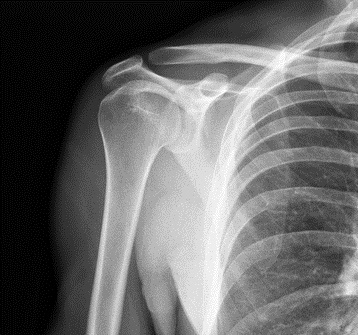
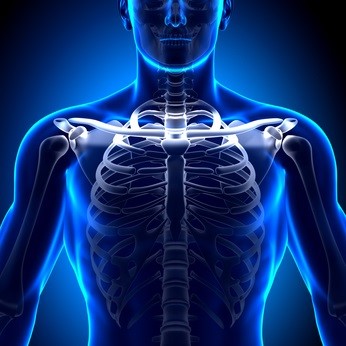
Your clavicle is the long narrow bone that is responsible for connecting your arm to your body. It is situated between your shoulder blade and your ribcage. When you experience a clavicle fracture, it often breaks either where it connects to your shoulder blade or your ribcage.

Many broken clavicles happen when you are hit hard in the shoulder. This could happen while participating in sporting activities like mountain biking, when you fall, or during a car accident. Sometimes babies may even experience a broken clavicle during birth.

Sometimes people who are not getting enough calcium and Vitamin D may be more likely to suffer from a clavicle fracture. (more…)

Frozen Shoulder Treatment

frozen shoulder treatment and shoulder surgeryTreatment of a Frozen Shoulder: Adhesive Capsulitis


A frozen shoulder, also known as adhesive capsulitis, happens when a person has a stiff shoulder and it cannot be moved through a full range of motion passively or actively. It is not painful as long as the arm is not being moved around. If the shoulder is forced to move in the range where the stiffness is present, it is very painful.

Non-Surgical Treatment for Frozen Shoulder

The mainstay of treatment for frozen shoulder involves reduction of the inflammation with an oral anti-inflammatory medication or a cortisone injection with concurrent physical therapy or home exercise program.  Most frozen shoulders can be treated successfully this way.

Surgical Treatment for Frozen Shoulder

If this nonsurgical treatment fails, surgical treatment is the next option. Surgery for frozen shoulder can range from a simple closed manipulation under anesthesia to surgical resection of the scar tissue and capsule release.

(more…)

Ten Things that Can Cause an Asthma Attack

asthma attackAsthma is a common condition that, according to the National Center for Environmental Health, strikes upwards  of 1 in 11 children and 1 in 12 adults.

Asthma rates in Louisville are even higher than the national average with 13% of adults in Jefferson County reported to have the condition, based on BRFSS data.

Asthma is a challenging disease that makes breathing difficult. When a person experiences an asthma attack, there is inflammation in the airways in their lungs, which causes breathing problems.

An asthma attack can vary in severity from more moderate to very severe. In the most extreme cases, people can even die from the condition.

Common symptoms associated with  an asthma attack include wheezing, coughing and difficulty breathing. People experiencing an asthma attack also sometimes feel chest pain. (more…)

Common Running Injuries Plaguing Runners

common running injuriesIf you are an experienced runner gearing up for a fall race, or new to the sport and hoping to build up your mileage, learning about common running injuries is an important way to get thinking about injury prevention.

A team of researchers led by Dr. Alexandre Dias Lopes and colleagues published study results about major musculoskeletal injuries runners experience to understand how typical these common running injuries are.

Looking at data covering around 3,500 runners, researchers found that three of the most common running injuries were:

  1. Medial Tibial Stress Syndrome
  2. Achilles Tendinopathy
  3. Plantar Fasciitis

For those running very long distances like ultra-marathoners, Achilles tendinopathy was the most common type of musculoskeletal injury experienced, followed by Patellofemoral syndrome.

Achilles tendinopathy is a painful condition that occurs in your Achilles tendon area where your calf muscles and heel bone are connected. It tends to be quite uncomfortable and may be accompanied by swelling and a stiff feeling. (more…)

Acrobatic Gymnastics Injury, and Sports Injuries from Trampoline and Tumbling

Sports Injuries like Gymnastics InjuryScientific researchers led by Grapton and Colleagues (2013) looked at sports injuries like gymnastics injury, trampoline injuries and injuries from tumbling over a 5 year period of time.

Researchers specifically analyzed data on 357 traumatic injury events to understand a variety of factors including the following:

  1. Type of accident
  2. Level of athletic expertise
  3. Location of the sports / gymnastics injury
  4. Bodily tissue injured
  5. Possible external factors involved in the injury incident.

Injuries from acrobatic sports like gymnastic injury tended to be concentrated on the lower limbs and were predominantly ligament injuries. Injuries to the knees and forearms were more commonly associated with individuals engaged in using the trampoline. Tumblers were more likely, in contrast, to suffer from some type of ankle injury, sprain or fracture.

Those engaged in acrobatic gymnastics or “ACRO” –were more likely than others to experience some type of gymnastics injury to the wrist.  Both trampoline and ACRO (more…)

Does a Sports Injury like an ACL Tear Mean the End of Competitive Play for Pro Athletes?

acl tear and acl injury during competitive sports

ACL Tear and Other Sports Injuries Play Key Role in Ending Sports Career for Some Athletes

Researchers in Finland published interesting findings in the European Journal of Sports Science (2012) led by Ristolainen and colleagues that sports injuries like an ACL tear may radically alter the direction of an athlete’s career.

In a study specifically aimed at understanding the link between sports career termination and sports injury, researchers looked at 574 male and female athletes in Finland. These included swimmers, runners, soccer players and skiers. Approximately 5% of the participants reported ending their athletic career because of a sports injury like an ACL tear.  (more…)

Baseball Injury and Softball Injuries include Ball-Related Facial Fractures

baseball injury includes ball-related facial fracturesBaseballs and Softballs Linked to Facial Fractures – Sometimes kids suffer from a sports injury like a baseball injury or injuries from softball involving a facial fracture.

A study published in the Journal of Plastic and Reconstructive Surgery led by Dr. Lorelei Grunwaldt and colleagues in Pittsburgh at the Children’s Hospital looked at around 167 kids treated for a fracture due to a sports injury.

About 11% of the fractures to the face were due to some type of sports injury. About four out of five kids treated for a facial fracture were boys. The majority of patients were between the age of 12 and 15 years. Many of these facial injuries which included:

  1. Broken noses
  2. Fractures to the eye area
  3. Fractures to the skull, happened as a result of a ball-related trauma.

Typically baseballs or softballs caused this type of dramatic trauma. Most commonly the kids experienced a baseball injury or one from softball while fielding some type of line drive. Other sports leading to facial fractures included basketball, football and soccer. (more…)